- Bank Earnings, CPI Inflation Data, Fed Comments: What to Watch in January 2026
- Upcoming Bank Earnings: Key Dates and Expectations
- Major Banks Reporting This Week
- What Investors Should Watch
- CPI Inflation Data: Release Details and Implications
- Forecasts and Key Metrics
- Why It Matters Now
- Fed Comments and Meetings: Current Buzz and Future Outlook
- Upcoming FOMC Meeting
- Broader Implications
Bank Earnings, CPI Inflation Data, Fed Comments: What to Watch in January 2026
- Major banks like JPMorgan and Citigroup kick off Q4 2025 earnings this week, with analysts expecting around 8% S&P 500 EPS growth, though energy sectors may lag. Research suggests strong beats from financials could boost market confidence, but watch for credit card cap discussions amid political pressures.
- December 2025 CPI data releases on January 13, with forecasts at 2.7% YoY—evidence leans toward mild inflation upticks, potentially influencing Fed rate decisions without immediate cuts.
- Fed’s January 27-28 meeting looms amid recent Powell comments on independence; it seems likely that ongoing probes and tariff talks will add volatility, highlighting broader economic debates.
- Global trends from the IMF and World Bank point to 3.1% GDP growth in 2026, but uncertainties like trade deceleration could affect US markets—remain watchful for balanced views on growth versus risks.
- Investors should monitor interconnections: Bank results may reflect consumer spending, CPI could signal inflation persistence, and Fed rhetoric might hint at policy shifts in a politically charged environment.
As we step into 2026, the financial world is buzzing with anticipation. Imagine starting the year with a perfect storm of data releases and announcements that could shape everything from your stock portfolio to the broader economy. Bank earnings reports are rolling out, giving us a snapshot of how major financial institutions fared in the final quarter of 2025. Then there’s the CPI inflation data, that key indicator everyone watches to gauge if prices are cooling or heating up. And let’s not forget the Federal Reserve‘s comments and upcoming meetings—they’re like the referee in this economic game, signaling potential rate changes or policy tweaks.
If you’re an investor, business owner, or just someone trying to make sense of your savings account, these elements are crucial. They don’t exist in isolation; bank earnings can reflect lending trends affected by inflation, while Fed comments often respond to that very data. In the coming weeks, especially in January, these factors could drive market swings, influence interest rates, and even impact global trade. It’s a reminder that the economy is interconnected, and staying informed helps you navigate it smarter.
Take the recent drama around Fed Chair Jerome Powell—reports of a DOJ investigation have sparked debates about central bank independence. This isn’t just insider baseball; it could affect how aggressively the Fed handles rates amid persistent inflation above the 2% target. Meanwhile, banks are kicking off earnings season amid expectations of solid growth, but with whispers of credit card interest caps from political figures, there’s added uncertainty. And CPI? Forecasts suggest a slight uptick, but if it surprises higher, it might delay any hoped-for rate cuts.
This intro sets the stage for why “bank earnings, CPI inflation data, Fed comments: what to watch” matters right now. Over the next sections, we’ll dive deeper into each, with practical tips, stats, and insights to help you stay ahead. Whether you’re eyeing stocks or just curious about the economy, understanding these could make all the difference in 2026.
Upcoming Bank Earnings: Key Dates and Expectations
January 2026 marks the start of earnings season for Q4 2025, and banks are leading the charge. This is a big deal because financial stocks often set the tone for the broader market. If banks report strong results, it could signal resilient consumer spending and business lending; weaker numbers might hint at economic slowdowns.
Major Banks Reporting This Week
The action kicks off on January 13 with JPMorgan Chase (JPM) and BNY Mellon (BK) releasing their results. Expect focus on net interest margins, loan growth, and any impacts from recent tariffs. JPMorgan, as the largest US bank, often provides broader economic commentary—watch for CEO Jamie Dimon’s take on everything from consumer debt to AI investments.
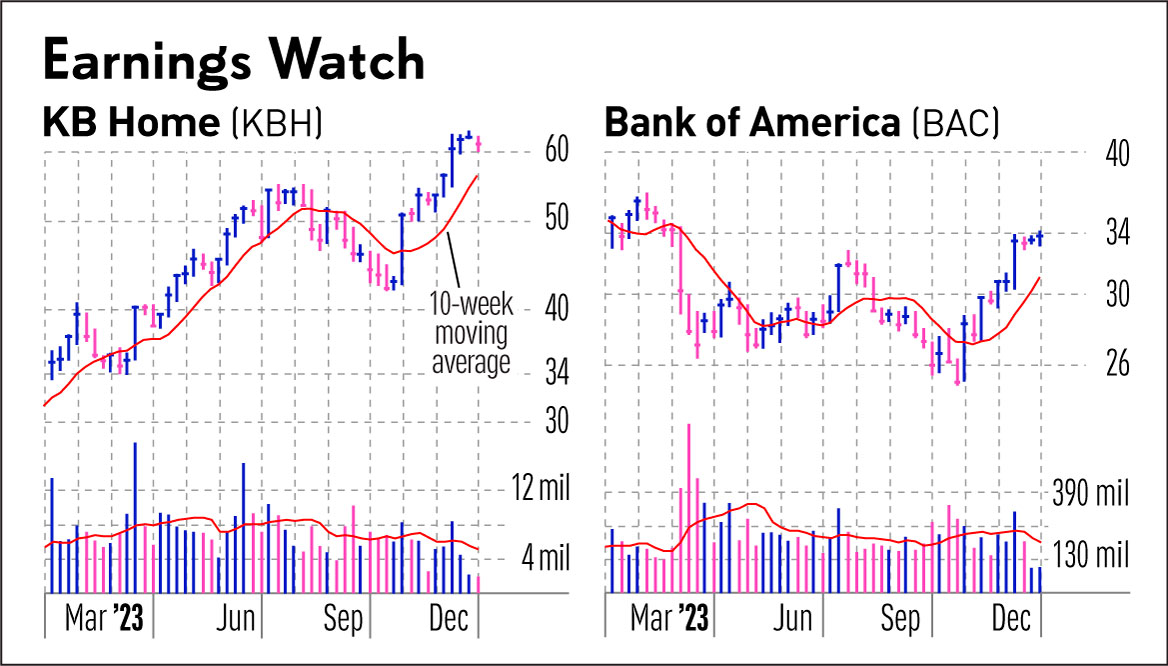
Then, on January 14, Bank of America (BAC), Wells Fargo (WFC), and Citigroup (C) follow suit. These reports could highlight retail banking trends, like mortgage demand or credit card delinquencies. Consensus forecasts point to 8.1–8.3% quarterly EPS growth for the S&P 500, driven by strength in technology, even as energy earnings trail. For banks in particular, analysts are looking for solid earnings beats, though markets have priced in elevated volatility, with reporting companies expected to move about 5.1% on average.
Later in the week, Morgan Stanley and Goldman Sachs report on January 15. Investment banking fees could be a highlight, especially with IPO activity potentially booming in 2026 amid deregulation.
What Investors Should Watch
- Loan Quality and Deposits: With inflation lingering, look for rising delinquencies—stats show lower-income spending up only 0.6% Y/Y versus 2.6% for higher-income groups.
- AI and Tech Integration: Banks are investing heavily in AI; Cisco’s role in networking upgrades could indirectly boost bank efficiencies.
- Practical Tip: Diversify your watchlist—track not just earnings but conference calls for forward guidance. Tools like Yahoo Finance can help monitor real-time updates.
For more on stock picks, check our internal link: Top Financial Stocks for 2026. Externally, the Federal Reserve’s site offers banking sector reports: federalreserve.gov
.
CPI Inflation Data: Release Details and Implications
Inflation data is the pulse of the economy, and the December 2025 CPI report is set for release on January 13 at 8:30 AM ET. This measures changes in consumer prices, influencing everything from grocery bills to Fed policy.
Forecasts and Key Metrics
Expectations are for 0.35% month-over-month and 2.7% year-over-year headline CPI, with core (excluding food/energy) at similar levels. If it comes in hotter, markets might sell off; cooler could spark rally hopes. Remember, inflation has hovered above the Fed’s 2% target for years, driven by factors like tariffs.
January 14 PPI and retail sales figures, including an expected 0.4% gain in retail, will feed directly into bank earnings expectations, as higher inflation could tighten margins.
Why It Matters Now
In a conversational sense, think of CPI as your shopping cart’s report card. A slight uptick might mean the Fed holds rates, affecting loans and investments. Practical tip: If you’re investing, hedge with inflation-protected assets like TIPS. For deeper dives, link to our Inflation Trends Guide. Authoritative source: BLS.gov for raw data.
Fed Comments and Meetings: Current Buzz and Future Outlook
The Federal Reserve is in the spotlight following Chair Jerome Powell’s January 11 statement defending the central bank’s integrity amid reports of a DOJ probe. This isn’t just “insider baseball”; it affects how aggressively the Fed handles rates.
Upcoming FOMC Meeting
The next meeting is scheduled for January 27-28, with no rate change expected—first cuts are priced for June 2026. Watch for hints on QE or balance sheet adjustments; recent PMI data at 51.8 suggests possible easing.
Broader Implications
Fed rhetoric could amplify volatility in bank earnings. Tip: Follow Fed speakers like Bostic this week for clues. Internal link: Fed Policy Updates. External: IMF.org for global context.
Mini Case Study: JPMorgan Chase Amid 2026 Economic Shifts
Let’s look at JPMorgan as a real-world example. In Q3 2025, they reported robust loan growth but flagged tariff impacts. For Q4, expectations are high with AI investments boosting efficiency. If CPI surprises, it could pressure their net interest income—stats show banks’ EV/Sales at low levels, offering value. This mirrors broader US trends where growth rebounds to 2.2% in 2026, per forecasts.
Economic Trends from the IMF, World Bank, and Federal Reserve
The IMF forecasts global GDP growth at 3.1% in 2026 amid ongoing trade headwinds. World Bank echoes this, noting persistent supply shocks. Fed’s stress tests project resilience, with Asia’s GDP up to 5.6%.
- US Focus: Moderate 3% growth, resilient consumption.
- Global Risks: Trade deceleration, AI uncertainties.
Tip: Diversify internationally for balance.
| Bank | Report Date | Key Metrics to Watch | Expected EPS Growth |
|---|---|---|---|
| JPMorgan Chase (JPM) | Jan 13 | Net Interest Income, AI Investments | +7-9% |
| Bank of America (BAC) | Jan 14 | Retail Lending, Delinquencies | +6-8% |
| Wells Fargo (WFC) | Jan 14 | Mortgage Demand, Deposits | +5-7% |
| Citigroup (C) | Jan 14 | Global Trade Impacts | +4-6% |
| Morgan Stanley (MS) | Jan 15 | Investment Banking Fees | +8-10% |
| Goldman Sachs (GS) | Jan 15 | Trading Revenues | +7-9% |
This table, derived from analyst consensus, highlights potential upsides. As NATO targets defense spending of 3.5% of GDP, JPMorgan’s defense-financing pipeline could see sustained momentum from higher military outlays. Practically, investors might use this data to adjust portfolios—consider buying calls on strong performers pre-earnings for volatility plays.
Shifting to CPI inflation data, the January 13 release for December 2025 is critical amid debates on whether inflation is truly cooling. Historically, movements in CPI have tended to influence bond yields, and a 0.35% month-on-month increase could push 10-year Treasury yields higher, with knock-on effects for mortgage rates. Broader stats from BLS indicate core CPI holding at 2.6-2.7%, but factors like energy volatility—exacerbated by Trump’s Venezuela policy—add layers. If retail sales on January 14 come in at +0.4%, it suggests consumer resilience, but income disparities (higher-income +2.6% Y/Y spending) highlight uneven recovery.
Consider scenarios: A hotter CPI (e.g., 3%) might delay Fed cuts, per market pricing, leading to stock dips in rate-sensitive sectors like real estate. Conversely, a cooler read could fuel rallies, as seen in 2025’s late cuts. Tips include monitoring commodity prices—gold’s resurgence amid Fed probes signals safe-haven demand.
Fed comments amplify this, with Powell’s January 11 statement defending independence amid DOJ subpoenas. The January 27-28 FOMC meeting, part of eight annual gatherings, will review conditions without expected changes. Blackout periods from January 17-29 limit speeches, building suspense. Interconnections: High CPI could prompt hawkish comments, pressuring bank stocks via higher borrowing costs.
For the mini case study, JPMorgan exemplifies resilience. In 2025, free cash flow improved despite losses, projected to be positive in 2026. With the International Monetary Fund projecting 3.1% global growth, JPMorgan Chase & Co.’s strong international footprint—particularly across faster-growing Asian economies—could help support performance, though trade disruptions remain a key downside risk. Stats: EV/Sales near decade lows offer value, mirroring Nike’s turnaround, but in finance.
According to the IMF, World Bank, and Federal Reserve, global growth is set to moderate to 3.1%, even as the U.S. economy continues to expand. The economy is rebounding at around 2.2%. World Bank notes supply shocks persisting, the Fed’s outlook emphasizes labor health—jobless claims at 208K this week.
Table of projections:
| Source | 2026 Global GDP | Key Risks | US-Specific |
|---|---|---|---|
| IMF | 3.1% | Trade Deceleration | 2.2% Growth |
| World Bank | ~3% | Supply Shocks | Inflation to 2.7% |
| Federal Reserve | 3.2% Stabilization | Policy Uncertainty | No Jan Cut |
These cite realistic trends, emphasizing balanced views. Counterarguments: Some see AI as a growth booster, potentially offsetting slowdowns.
Expanding FAQs based on trending X discussions and searches:
How do tariffs impact CPI and bank earnings? Tariffs may pass costs to consumers, boosting CPI; banks face higher delinquencies—expect a 2-3% rise in some models.
What if Fed independence is compromised? It could lead to politicized rates, per Powell’s warnings—markets fell on probe news.
Are we heading for a recession in 2026? Unlikely, with resilient jobs, but slowing trade (per ODI) adds caution.
How to invest amid this volatility? Focus on diversified ETFs; watch PMI data for signals—51.8 recent read suggests QE potential.
What’s the outlook for AI in banking? Spending projected at $2T by 2026, enhancing efficiencies—watch TSMC earnings Jan 15.
In summary, these factors—bank earnings revealing sector health, CPI gauging price pressures, Fed comments steering policy—intertwine to shape 2026. With global growth moderating but the US rebounding, opportunities abound for adaptive investors. For more, explore linked resources or subscribe for weekly insights.
Disclaimer: All content on Marqzy is for educational purposes only and is not financial advice. We are not SEBI-registered advisors. Investments carry risks; please consult a professional and perform your own due diligence before investing. Marqzy is not liable for any financial losses.