Sterling Dips: 2026 UK Economic Outlook & Forecast

- Why Is the Pound Declining?
- What Key Data Are Traders Watching?
- Outlook for 2026
- Introduction: Hooking Into the Currency Drama
- Understanding the Current Decline in Sterling
- Upcoming UK Economic Data: What to Expect
- Global Perspectives and Forecasts for 2026
- Practical Tips for Navigating Currency Volatility
- Conclusion: Wrapping Up and Looking Ahead
- Expanded FAQs: Trending Questions on Sterling and UK Data
- Recent data suggests the pound has steadied around $1.34 but remains on track for a second straight weekly loss, reflecting broader market caution.
- Traders are closely monitoring key releases like November GDP on January 15 and December inflation on January 21, which could influence Bank of England decisions.
- While the pound surged nearly 8% against the dollar in 2025, experts indicate potential headwinds in 2026 from subdued growth and sticky inflation, though some see room for recovery if data surprises positively.
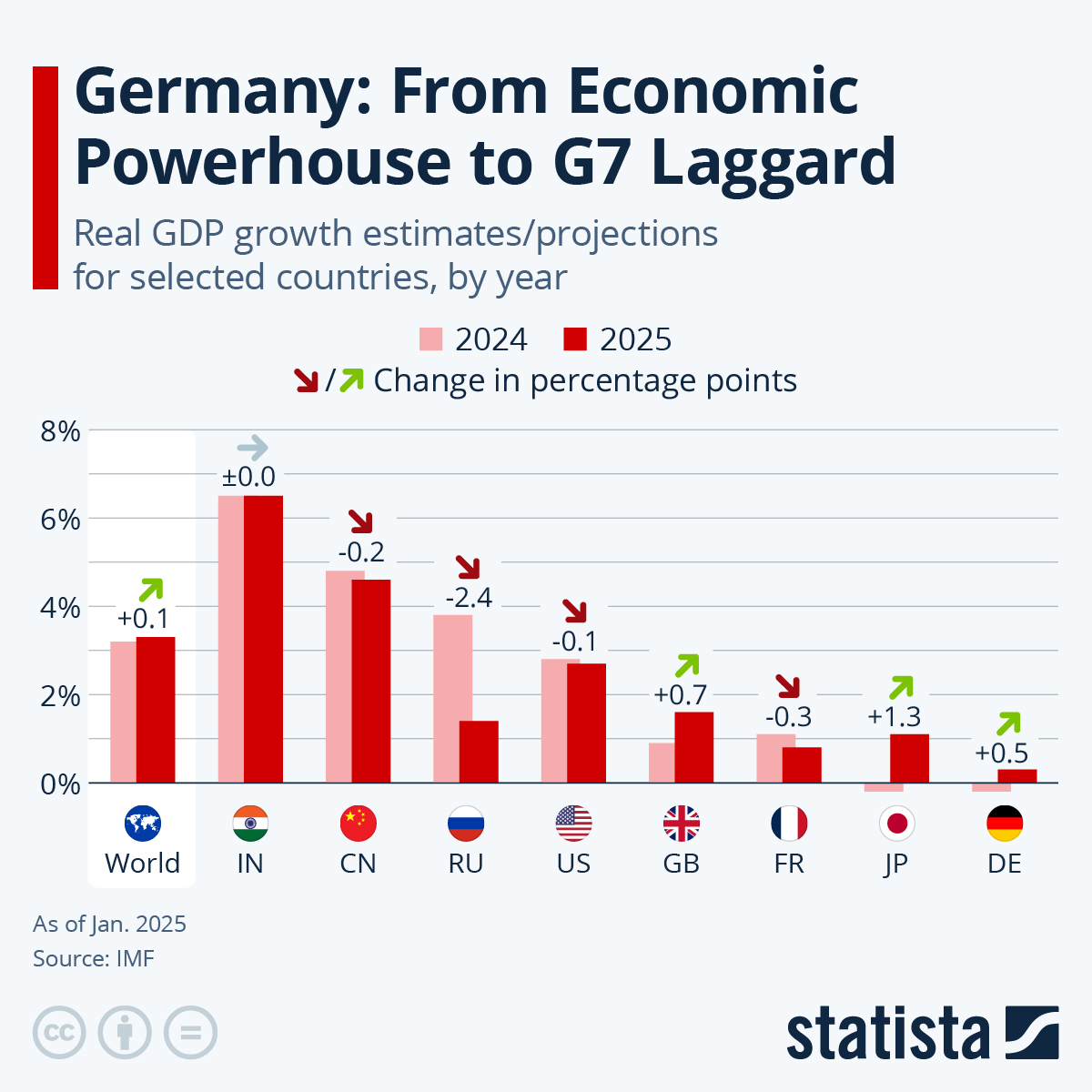
- Projections from the International Monetary Fund suggest the UK economy will expand by around 1.3% in 2026, pointing to a cautious yet broadly balanced outlook.
Why Is the Pound Declining?
The British pound, or sterling, has been under pressure lately. As of January 13, 2026, it’s trading around 1.3462 against the US dollar, up slightly from recent lows but still set for a weekly drop. This follows a strong 2025, when it appreciated by nearly 8% against the U.S. dollar. The main reason? Markets are nervous about the upcoming UK economic figures that could show weaknesses in growth, jobs, and prices.
Think of it like this: if the economy looks shaky, the Bank of England might cut interest rates to help, which often makes the currency less attractive to investors. But if data beats expectations, the pound could bounce back.
What Key Data Are Traders Watching?
Several important reports are due soon. November GDP data released on January 15 is expected to show a slight 0.1% monthly decline. That’s followed by unemployment and wage data on January 20, and inflation figures on January 21. These could shape whether the BoE holds rates at 3.75% in February or eases further.
For more on the calendar, check the Office for National Statistics site: https://www.ons.gov.uk/releasecalendar.
Outlook for 2026
Evidence leans toward a challenging start for the pound in 2026, with forecasts suggesting GDP growth around 1-1.3% and inflation at 3.4%. However, if political stability improves or growth picks up, it could stabilize. Analysts note risks from labor market slowdowns but also positives like reduced fiscal worries.
For deeper insights, visit the IMF’s UK page: https://www.imf.org/en/countries/gbr.
Introduction: Hooking Into the Currency Drama
Picture this: It’s early 2026, and the world is still buzzing from the holidays. But in the financial markets, there’s no time for rest. The British pound, that sturdy symbol of UK economic health, is wobbling. On January 9, Reuters reported that sterling was flat at $1.3436 after dipping to its yearly low. It’s set for another weekly loss—the second in a row. Why? Traders are glued to their screens, waiting for fresh UK economic data that could make or break the currency’s momentum.
This isn’t just numbers on a chart; it affects real people. If you’re planning a trip to the US, a weaker pound means your holiday costs more. Businesses importing goods face higher bills, while exporters might cheer as their products become cheaper abroad. In 2025, the pound shone bright, gaining almost 8% against the dollar. That was thanks to a stable budget from Finance Minister Rachel Reeves and hints of closer EU ties under Prime Minister Keir Starmer. Starmer even said Britain should align with the EU single market where it makes sense.
But now, uncertainty is creeping back. Inflation in the UK softened to 3.2% year on year in November 2025, a better-than-expected outcome for markets. Yet, wage growth is soft, and GDP is sluggish. The Bank of England (BoE) cut rates to 3.75% in December 2025, and markets bet on just one or two more cuts in 2026. Jeremy Stretch from CIBC Capital Markets warns of “downside risks” if jobs data shows labor market slowdowns.
Let’s expand on this. Sterling’s value isn’t set in stone, as it responds to a web of domestic and global influences. Global events, like US tariff threats or Fed policies, play a role too. After modest growth in 2025, the United Kingdom economy is expected to expand by around 1.0–1.2% in 2026. The World Bank and IMF see similar trends, with growth steady but not spectacular. Political risks linger, with potential leadership challenges in the Labour Party.
Why does this matter now? Because key data drops soon. November GDP on January 15 could show a -0.1% monthly dip. If it’s worse, expect more pound pressure. Jobs figures on January 20 might reveal unemployment at 5.1%, with wages up 4.7%. Inflation data due on January 21 is expected to show a 3.2% year-on-year rreading These aren’t just stats—they guide BoE decisions, which ripple through mortgages, savings, and investments.
Historically, sterling has bounced back from dips. After Brexit, it fell sharply but recovered over time. In 2022, amid energy crises, it hit lows near $1.03, but climbed back. Today, at $1.3462, it’s far from those depths. Yet, experts like those at Morningstar warn of challenges: weak growth, rate cuts, and politics could cap gains.
For everyday folks, a weaker pound means pricier imports like electronics or holidays. But for UK exporters, it’s a boon—think tourism or manufacturing. Take practical steps: if you’re hedging currencies for business, consider forwards. For personal finance, diversify savings.
As we move forward, remember the euro’s angle. It’s at 86.68 pence against sterling, set for a fourth weekly drop. This shows sterling’s relative strength in some pairs, even amid dollar woes.
In summary for this intro, the pound’s current wobble is a reminder of economic interconnectedness. Stay tuned to data releases—they could shift the narrative quickly.
Understanding the Current Decline in Sterling
Factors Behind the Weekly Dip
Sterling’s recent slide isn’t random. It’s tied to market jitters over UK data. As Reuters notes, the pound fell to yearly lows before steadying. Key drivers include:
- Economic Slowdown Signals: Soft wage growth and subdued GDP. UK macro data points to elevated inflation but weak labor trends.
- BoE Policy Uncertainty: With rates at 3.75%, an 88% chance of no change in February. But further cuts could weaken the pound.
- Global Pressures: Stronger dollar from US data, plus tariff fears.
Practical tip: Monitor apps like Yahoo Finance for live rates.
Impact on Businesses and Consumers
A declining pound hits pockets differently. Importers pay more, but exporters gain. Stats show the UK goods trade balance at -£19.8B expected for November.
- Bullet: Higher costs for imported food—Sainsbury’s boss predicts falling food inflation in 2026.
- Bullet: Travel budgets squeezed—US trips costlier.
- Bullet: Investment opportunities—cheaper UK assets for foreigners.
Upcoming UK Economic Data: What to Expect
Traders are laser-focused on these releases. Here’s a table summarizing key events:
| Date | Event | Expected Figure | Potential Impact on the Pound |
|---|---|---|---|
| Jan 15, 2026 | GDP MoM Nov | -0.1% | Weak data could push the pound lower |
| Jan 15, 2026 | Industrial Production MoM Nov | -0.3% | Signals manufacturing health |
| Jan 20, 2026 | Unemployment Rate Nov | 5.1% | Higher jobless rate hurts currency |
| Jan 21, 2026 | Inflation Rate YoY Dec | 3.2% | Above expectations might support the pound |
| Jan 23, 2026 | S&P Global Manufacturing PMI Jan | 50.8 | Above 50 indicates growth |
Source: Trading Economics.
These could sway the BoE’s February 5 meeting.
Global Perspectives and Forecasts for 2026
Insights from the IMF, World Bank, and Federal Reserve
The IMF projects UK real GDP at 1.3% for 2026, with consumer prices up 3.4%. The World Bank echoes modest growth, averaging around 1.2% amid global trade hits. Fed comments indirectly affect via dollar strength; recent pressures on Fed independence have helped sterling rebound.
Mini Case Study: Sainsbury’s and Currency Fluctuations
Take Sainsbury’s, a major UK retailer. In early 2026, its boss forecasted continued food inflation. A weaker pound raises import costs for goods like fruits, but a domestic focus helps. In 2025, non-food sales dipped amid currency volatility, denting festive cheer. This mirrors broader retail struggles—grocery inflation fell to 4.3% in December 2025. Lesson: Companies hedge currencies to mitigate risks.
For more, link internally to our post on “BoE Rate Cuts Explained” and “2025 Currency Trends Review.” Externally, check Reuters and BoE.
Practical Tips for Navigating Currency Volatility
- For Individuals: Use apps to lock in rates for transfers.
- For Businesses: Consider forex hedging—forward contracts protect against drops.
- Investment Advice: Diversify into euros or dollars if the pound weakens.
Conclusion: Wrapping Up and Looking Ahead
In essence, sterling’s weekly decline stems from data anticipation, but 2026 holds mixed prospects—modest growth per the IMF, but risks from inflation and politics. Stay proactive: monitor releases and adjust plans. What’s your take? Comment below or subscribe for updates—don’t miss our next analysis!
Expanded FAQs: Trending Questions on Sterling and UK Data
Based on current trends, here are answers to popular queries:
- What is causing the Sterling decline in early 2026? Market caution ahead of GDP and jobs data, plus a stronger dollar.
- Will the pound recover in 2026? It could if the data is strong, but forecasts suggest struggles amid 1.3% growth.
- What UK economic data is coming up? GDP on Jan 15, inflation on Jan 21—key for BoE rates.
- How does this affect everyday people? Higher import costs, but better for exports.
- Can the pound extend 2025 gains? Unlikely without surprises, per Forex.com.
- Is a recession a risk for the UK in 2026? Possible, weighing on sterling.
- What does the IMF say about the UK economy? 1.3% GDP, 3.4% inflation.
- How to hedge against pound weakness? Use financial tools like options.
- Impact of BoE cuts on sterling? Likely downward pressure if more easing.
- Trending: Why hard to repeat 2025’s best year? Sluggish growth and cuts, per YouTube analysts.