- Oil at $107 & Iran’s Surprise Peace Offer: What Every Investor Needs to Know Today
- The Oil Shock: Why $107 is the Magic Number
- The Iran Masterstroke: A Deal to Reopen Hormuz?
-
- The 10% Tariff Trap: US-UK Trade Crisis
-
- European Energy Security: A Winter of Discontent?
- The “Shadow Market” and the Rise of Bitcoin
Oil at $107 & Iran’s Surprise Peace Offer: What Every Investor Needs to Know Today
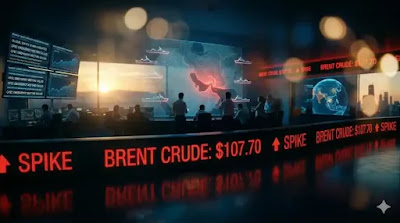
Look, if you opened your portfolio today, April 27, 2026, you saw a sea of red. There’s no sugarcoating it. After the peace talks in Islamabad hit a wall this morning, Brent crude spiked sharply, hitting $107 per barrel in some contracts. For everyone in the US and Europe, this is the “danger zone.” High energy prices are no longer just a headline; they are eating into every single sector of the market.
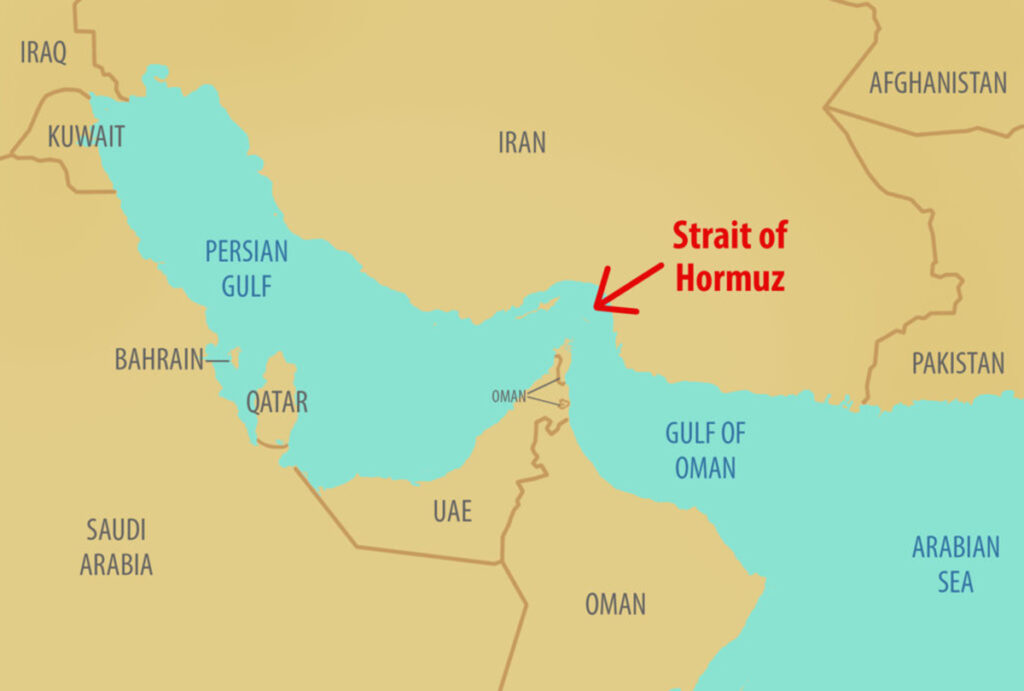
The last 24 hours have been a geopolitical rollercoaster. We have oil rising, a “dual blockade” in the Strait of Hormuz, and a sudden, secret deal offered by Iran that could either save the market or lead to a total collapse.
The Oil Shock: Why $107 is the Magic Number
The latest data shows Brent crude up over 2%, trading around $107 for June contracts. Why? Because the negotiations mediated by Pakistan have reportedly failed. President Trump isn’t thrilled with Iran’s “unyielding” stance on nuclear enrichment, and in response, he’s cancelled plans to send a full negotiation team back to the region.
For my readers in the West, this is serious. National average gas prices in the US have already jumped 37% since this conflict began in February. If this “dual blockade” continues—where the US Navy blockades Iranian ports, and Iran mines the Strait—we are looking at a permanent energy tax on the global economy.
The Iran Masterstroke: A Deal to Reopen Hormuz?
Here is where it gets interesting. According to leaked reports from Axios today, Iran has offered a surprise deal to the White House through Pakistani mediators.
The Proposal:
- Immediate reopening of the Strait of Hormuz is needed to restore oil flows.
- End the 2026 War and extend the ceasefire.
- The Catch: Postpone all nuclear negotiations to a later date.
This is Iran’s “off-ramp.” They want to remove the US naval blockade and start collecting revenue again without giving up their uranium enrichment right now. The White House is currently divided. If Trump takes the deal, oil could drop to $80 by tomorrow morning. If he rejects it, $120 is the next stop. This uncertainty is why your stocks are swinging like crazy today.

The 10% Tariff Trap: US-UK Trade Crisis
While everyone is obsessed with oil, there is a second fire burning. In London, the Business and Trade Committee just launched an inquiry into why the UK-US trade relationship is stalling. With the US administration imposing a “baseline 10% tariff” as an interim measure, British firms are feeling the heat.
For my UK and US audience, this is a double whammy. You’re paying more for energy, and now your cross-border trade is getting taxed at 10%. If you are holding transatlantic tech or manufacturing stocks, you need to realise that the “Economic Prosperity Deal” from last year is officially under threat. This isn’t just about politics; it’s about the bottom line for companies that move goods across the Atlantic.
European Energy Security: A Winter of Discontent?
In Europe, the situation is even more fragile. Unlike the US, which has its own shale reserves, Europe is almost entirely dependent on imported energy. The $107 price tag on Brent Crude is already forcing factories in Germany and France to slow down production. If the Strait of Hormuz doesn’t reopen by next month, we might see energy rationing in some parts of the EU.
European investors are currently dumping manufacturing stocks and piling into renewables and nuclear energy firms. The shift is massive. Straight up, if you are holding European industrial shares, you need to ask yourself if those companies can survive another six months of triple-digit oil prices.
The “Shadow Market” and the Rise of Bitcoin
Essentially, we are seeing a split in the global financial system. While official trade is blocked, the “Shadow Silk Road” through land routes in Pakistan is becoming the only way goods are moving. This is making everything slower and more expensive.

This chaos is also driving people toward decentralised assets. As you might have seen on social media today, Bitcoin is being pushed as the “ultimate hedge” against this geopolitical mess. When banks are restricted and trade is taxed, people look for an exit ramp. While I’m not saying you should gamble your life savings on crypto, you can’t ignore the fact that Bitcoin is sitting at record highs while the rest of the market is bleeding.
What Should You Do with Your Money?
In a market like this, doing nothing is often better than making a panic move. But here is how the pros are playing it:
- Defensive Energy: If you’re in oil and gas, you’re winning today, but the Iran deal is a huge “sell” risk. Have a tight stop-loss.
- Gold & Hard Assets: With trade wars and naval blockades, gold is the only thing people truly trust. It’s sitting at record highs for a reason.
- Avoid Middle-Market Retail: With gas at $4.10 a gallon in the US, consumer spending is going to drop. High-end luxury or deep-discount stores are safer than the middle ground.
Final Thoughts
April 27, 2026, will be remembered as the day the 2026 Oil Crisis either found a solution or went into overdrive. Iran has put its cards on the table. Now, the next step belongs to Donald Trump.
The market hates a vacuum. Until we know if the Strait of Hormuz is truly “open, free, and clear,” stay cautious. Don’t let the “buy the dip” crowd trick you into a trap. This is a game of high-stakes poker, and the blinds just went up. Your goal right now shouldn’t be to make a killing—it should be to survive this volatility with your capital intact.
Frequently Asked Questions (FAQs)
Note: This is for educational purposes only. Not financial advice. We are not SEBI-registered.