The Hormuz Cash Trap: Why the Blockade Isn’t Stopping the Money
If you think the naval blockade in the Strait of Hormuz has stopped everything, you’re missing the real story. While warships are redirecting tankers and NATO is busy clearing mines, a secret economy is growing fast. It’s not just about ships anymore; it’s about how money is moving behind the scenes. It seems like the old rule is back: cash is the only thing that matters right now.
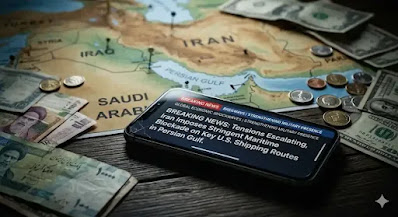
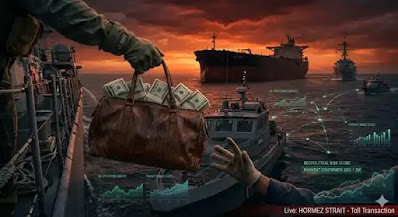
To be fair, the news from the Iranian Central Bank is a huge deal for anyone tracking the markets. They are actually getting transit fees from ships in cold, hard cash. Just imagine that—ships are literally handing over bags of money to pass through the Strait. Since they can’t use regular banks or digital transfers because of sanctions, they’ve gone back to physical currency. This creates a huge pool of money that nobody in the West can track or stop.
NATO’s Entrance Means Higher Prices for You
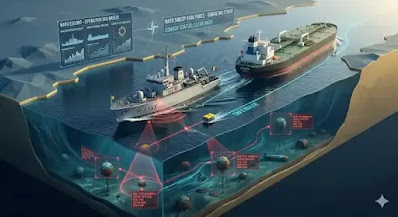
Italy is sending four navy ships to clear mines, and countries like the UK and France are joining them. This might sound like a good thing for safety, but it’s definitely not free. When warships have to escort cargo, insurance costs go through the roof. This is a “war tax” that ends up on your bill.
For a finance person, this is a classic supply squeeze. Every liter of petrol or piece of tech coming through that area now has a hidden cost. You can’t have a military escort without someone paying for it, and that someone is always the customer. We are moving away from easy trade to “protected trade,” and it’s making everything much more expensive.
The Karachi Pivot: Land Routes are the New Plan B
One of the biggest things people are ignoring is what’s happening at Karachi port. There are 3,000 containers stuck there because ships are scared to enter the Strait. Now, Pakistan and Iran are looking at land routes to move that cargo. This is a massive shift. Power is moving away from the ocean and back to the dusty roads on land.
Sure, trucks are slower and more expensive than big ships, but right now, they are the only safe way to move goods. This is a huge opportunity for companies that build roads and manage trucks in that region. If Karachi becomes the main gateway to bypass the US Navy, that local industry is going to see a massive windfall. It also shows that the blockade only works on water; on land, the trade just finds a new path.
Following the Money in the Chaos
We also have to talk about who is getting rich from this mess. Recent reports about big political families making billions from crypto and Gulf deals show a simple truth: war makes money for those at the top. When billions are moving through crypto while a blockade is happening, it tells you the “shadow market” is working better than the official one.
Sanctions have holes in them. Money moves through digital coins and private deals while regular people struggle with high prices for food and fuel. As an investor, you have to realize the official story of a “total blockade” is rarely true. The biggest players are finding ways to provide what the world still wants, and they are charging a premium for it.


The Reality of Cash Fees
The fact that the Strait of Hormuz has become a “cash-only” zone is a total nightmare for bank regulators. It means millions of dollars are crossing borders without leaving a single digital footprint. This money is being used to buy supplies and fund these new land routes through Pakistan.
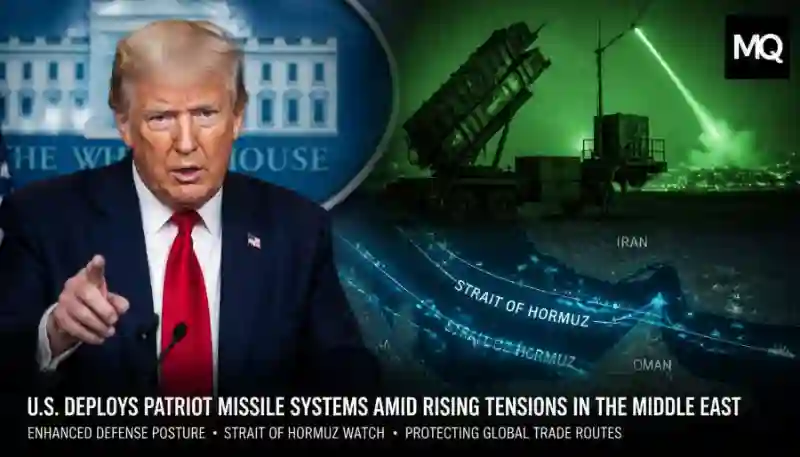
The US naval blockade has basically turned the Strait into a toll booth. If you want to get through, you pay the person at the gate in cash. This is a big blow to the power of the US dollar. If you can’t see the money moving, you can’t stop it. This is why this “Cash Trap” is so dangerous for the traditional financial system.
What This Means for Your Money
The global economy is becoming broken and much more expensive to navigate. You need to look at the “chokepoints” if you want to protect your savings.
- Shipping Security: As long as there are mines in the water, companies that provide maritime security are going to make record profits.
- Hard Assets and Crypto: Since cash and crypto are the only ways to move money through blockades, these assets are becoming the ultimate safety net.
- Regional Logistics: Any company building the new land routes between Pakistan and Iran is going to be busy for a long time.
Final Thoughts
The blockade isn’t stopping trade; it’s just making it go underground and making it more expensive for the rest of us. Geography will always be more important than sanctions. The world needs that water, and Iran knows it. They will keep collecting their toll, one way or another. Your job is to make sure you’re not the one left paying the bill for all this inflation. Stop watching the ships and start following the shadow money—that’s where the real market is in 2026.
Frequently Asked Questions (FAQs)
Q: Why is the Italian Navy clearing mines in the Strait of Hormuz?
Italy has sent 4 warships, including minesweepers, as part of a NATO-led coalition. Their mission is to clear the GPS-guided mines that are blocking global shipping routes. While this makes the waters safer, it significantly increases the cost of shipping insurance and military escort fees, which eventually leads to higher prices for consumers.
Q: Is it true that Iran is collecting transit fees in cash?
Yes, the Iranian Central Bank has confirmed that they are receiving transit fees from passing ships in physical cash rather than digital transfers. This allows them to bypass the US naval blockade and international banking sanctions. It effectively turns the Strait into a “cash-only” zone for global trade.
Q: What happened to the 3,000 containers stuck in Karachi?
Because of the blockade, thousands of containers meant for Iran are stranded at Karachi port in Pakistan. To solve this, Pakistan and Iran are now building new land routes to move this cargo by truck. This shift from sea to land is slower and more expensive, adding another layer of inflation to the goods being moved.
Q: How are political families profiting from this crisis?
Recent reports, including data from Senator Bernie Sanders, suggest that high-level political figures have made billions during this period through crypto ventures and Gulf-related business deals. This shows that while regular people face high energy prices, a “shadow market” is allowing those at the top to profit from the ongoing trade instability.
Note: This is for educational purposes only. Not financial advice. We are not SEBI-registered.