The International Market Dip: Is This a Golden Entry or a Value Trap?
Geopolitics is a funny thing. One day, you’re looking at a steady bull run, and the next, a conflict in the Middle East sends oil prices skyrocketing. If you’ve been watching the charts lately, you’ve seen the carnage: non-US markets are taking a massive hit, with places like Brazil and South Korea dropping nearly 10% in a heartbeat.
The big question everyone is fighting over right now is simple: Is this “blood on the streets” a signal to buy, or are we just catching a falling knife? When you see a 10% drop in a matter of days, the instinct is to panic. But as finance bloggers often say, the best time to buy is when everyone else is selling out of fear. Let’s break down why this is happening and whether your cash belongs in the international dip.
The Oil Problem: It’s More Than Just Petrol Prices
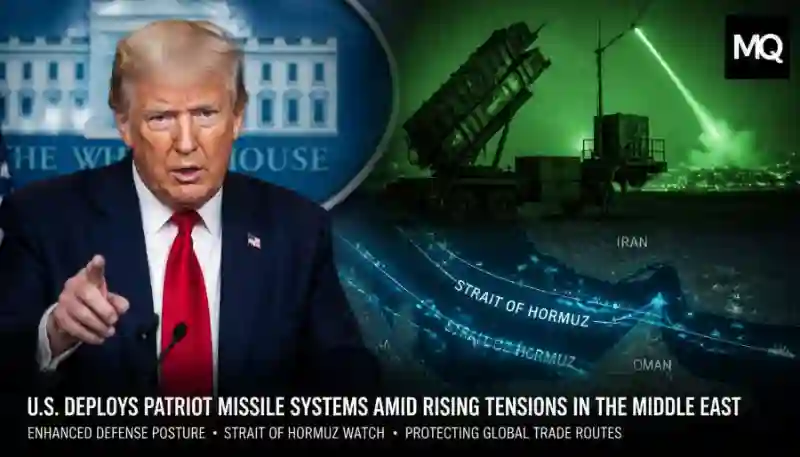
Let’s be honest—most of this panic is tied to one thing: Petroleum. When oil prices spike because of conflicts involving major producers like Iran, it’s not just about the cost of filling up your car. It’s a massive tax on every economy that imports energy. It fuels inflation expectations, which means those interest rate cuts we were all hoping for might stay on the shelf for a while longer.
Emerging Markets (EM) are particularly sensitive here. Even if Brazil isn’t directly involved in a Middle Eastern war, the global flow of capital reacts instantly. When energy gets expensive, these countries face a triple threat: rising domestic inflation, currency devaluation against the dollar, and capital outflows as investors run back to “safe” US assets. Some argue that China is better insulated because of its specific economic structure, but for most of the world, high oil is a growth killer.
The Historical Ghost of the 1970s
In the current discussion circles, people are pointing back to the 1970s as a cautionary tale. Back then, energy spikes didn’t just cause a temporary dip; they led to a decade of “stagflation“—low growth and high inflation. While our world today is much more energy-efficient, the fear is the same: what if high oil isn’t a one-week event? What if it lasts for 6 months or more?.
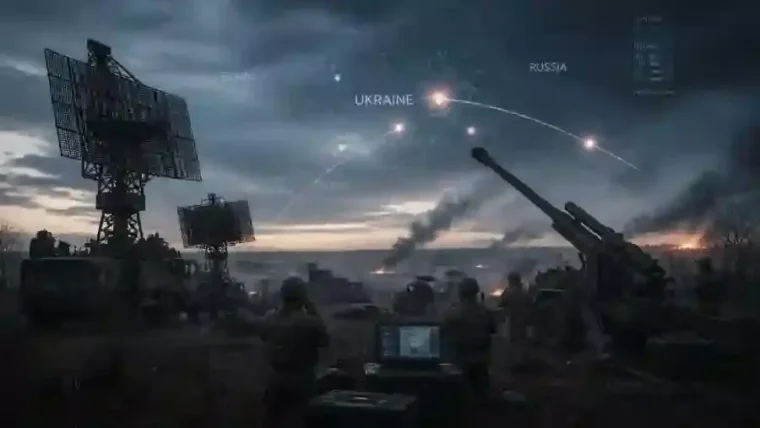
If you look at the “Ukraine special military operation” or the long years in Afghanistan, geopolitical events rarely wrap up in a neat 48-hour window. This is why the dip in international markets feels so heavy. Investors are pricing in the “worst-case scenario” where high energy costs become the new normal.
Why Geopolitical Dips are Different from Interest Rate Dips
There’s a specific kind of frustration with dips caused by war or conflict. Unlike a math-based dip—where a 0.25% interest rate hike can be calculated and priced in—a geopolitical “discount” has a much longer and more unpredictable recovery curve.
If you look back at the 2022 Russia-Ukraine situation, it took European equities nearly 14 months to fully claw back their losses. Why? Because the resolution timeline is impossible to model. You can’t put a “war ending” date into an Excel sheet. So, if you’re buying the dip today in VXUS or VT, you have to be okay with the fact that it might stay ugly for a lot longer than a typical 3% technical correction.
The S&P 500 “Safe Haven” Illusion
It’s interesting to see that while international markets are bleeding, many investors are doubling down on US assets like the SPY or VTI. The logic is that in a global crisis, the US is the ultimate safe haven because it has strategic oil reserves and massive domestic production capability.
Even so, the S&P 500 cannot be considered cheap at current levels. While international valuations have been dragged back to early January levels, the US market is still holding onto a lot of its AI-driven froth. If you’re a value-conscious investor, the disparity is getting a bit ridiculous. International markets are pricing in a disaster, while the US is still pricing in a “best-case” soft landing.
The Psychology of the “10% Correction.”
For many investors, a 10% drop is the magic number that triggers entry. We’ve seen South Korea and Brazil hit that mark recently. But there is a psychological trap here. Some investors are so used to the “buy the dip” mantra of the last decade that they forget that markets can fall another 10% after the first 10%.
The real edge isn’t in trying to time the absolute bottom—because you won’t. The real edge is in “sizing the bet” so you can survive if you’re a bit early. If you dump all your cash into the market the moment it hits -10%, and it goes to -20%, you lose your mental capital along with your financial capital.
Is it Time to Act?
Look, markets always freak out in the short term. Seeing Brazil down 10% feels like a disaster, but for a long-term investor, it looks more like a clearance sale on assets that have nothing to do with the actual conflict. Brazil isn’t going to be physically touched by an Iran conflict, yet its stocks are being punished as if they were.
If you believe that oil prices will eventually normalize (as they almost always do because high prices eventually destroy demand), then international ETFs are looking incredibly attractive. The key is patience. You aren’t buying for next week; you’re buying for the next three years.
Frequently Asked Questions (FAQ)
1. Is the current dip enough to make things interesting?
For some, a 1-3% drop isn’t enough to move the needle, especially since many indexes are still up 20% from a year ago. However, specific markets like Brazil or South Korea that are down 10% are starting to look much more appealing to value seekers.
2. Why are International ETFs (like VXUS) falling harder than the S&P 500?
International markets are often more sensitive to oil price shocks and lack the “strategic reserve” cushions that the US enjoys. Investors also tend to flee to the US Dollar during times of uncertainty, which puts extra pressure on non-US stocks.
3. Should I switch my focus to Gold or Silver instead?
Many investors are loading up on metals like Gold and Silver (SLV) as a hedge against “dollar printing” and war uncertainty. Some even predict Gold hitting $10,000, though that is a very extreme view. While Gold can hit new highs during these times, it’s usually a defensive play rather than a growth play.
4. How long does it usually take for these types of geopolitical dips to recover?
Historical data suggests that geopolitical events can lead to longer recovery periods—sometimes over a year—compared to dips driven by simple economic data. For example, the Russia-Ukraine impact on European stocks took 14 months to resolve.
5. What is the best strategy if I’m worried about further drops?
DCA (Dollar Cost Averaging) and holding is the standard advice. Trying to time the exact reversal of a geopolitical event is a gamble. If you like the fundamentals of the companies you’re buying, a 10% discount is just a better entry point than you had last week.
6. Are “Emerging Markets” still a safe place for a long-term portfolio?
Emerging markets are called that because they haven’t yet reached the stability to withstand crazy global turmoil without significant volatility. If you can’t handle a 10-20% swing in price, you might want to stick to more stable “developed” markets.
Note: This is for educational purposes only. Not financial advice. We are not SEBI-registered.