Geopolitical Dips: Why 14 Months to Recover
I saw that screenshot floating around the other day, and honestly, the guy nailed it. He pointed out how major geopolitical shifts—like the global uncertainty that kicked off in early 2022—can drag on for up to 14 months before markets fully claw their way back. Not days, not weeks, not even a couple of quarters. Fourteen freaking months.
That stuck with me because I’ve watched enough cycles to know he’s not exaggerating. It’s the kind of observation that separates people who just watch charts from those who actually feel the pain in their portfolio and learn from it.
The Core Logic: Not All Market Drops are Equal
Let me break this down the way I see it after years of staring at screens and trying to keep my cool when global headlines get intense. Market sell-offs differ in cause and consequence. Some are clean, almost surgical—driven by interest rates and fundamentals. Others are messy, emotional, and sticky because they come wrapped in a thick layer of risk premium. The difference in recovery time isn’t random. It’s baked into how humans and capital react when the future stops looking predictable.
The Rate-Driven Dip: A Predictable Pain
First, let’s talk about the rate-driven dip. These are the ones we’ve all grown used to lately. Central banks crank up interest rates to manage inflation, borrowing gets expensive, and the market sells off 10-20%. Painful? Sure. But it’s usually recoverable pretty fast once the numbers start cooperating.
Why? Because everything is measurable. You can run the models, tweak the discount rate, and see exactly where earnings need to land. When the central banks pause, or inflation numbers cool off, the fog often lifts quickly. The dip was healthy because the underlying economy—corporate cash flows and job numbers—was still intact. It was just a valuation reset, not a story change.
The Uncertainty Tax: No Fixed Expiry Date
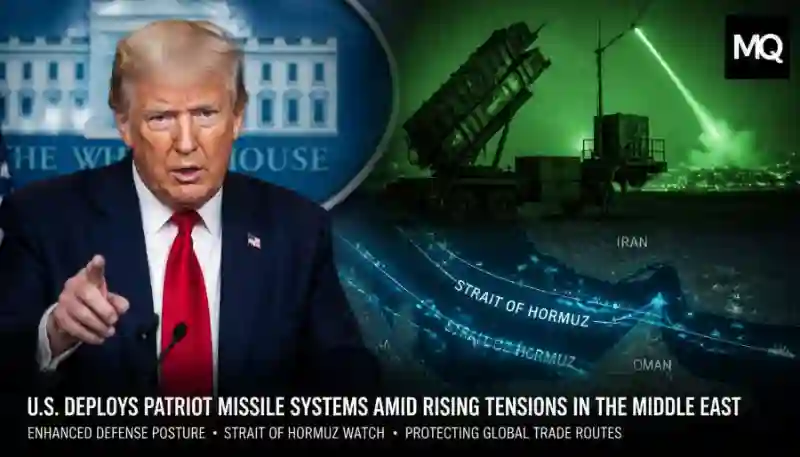
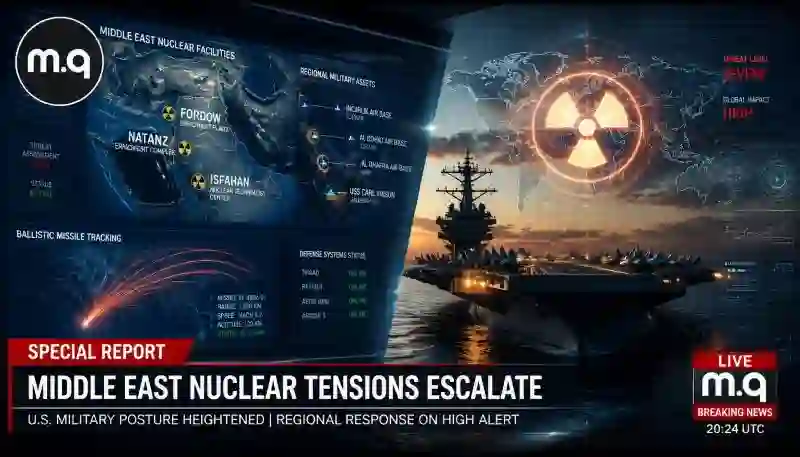
Geopolitical risk is different. It slaps an “uncertainty tax” on everything, and that tax doesn’t come with an expiry date. When global stability is shaken, investors don’t sit there calmly recalculating earnings.
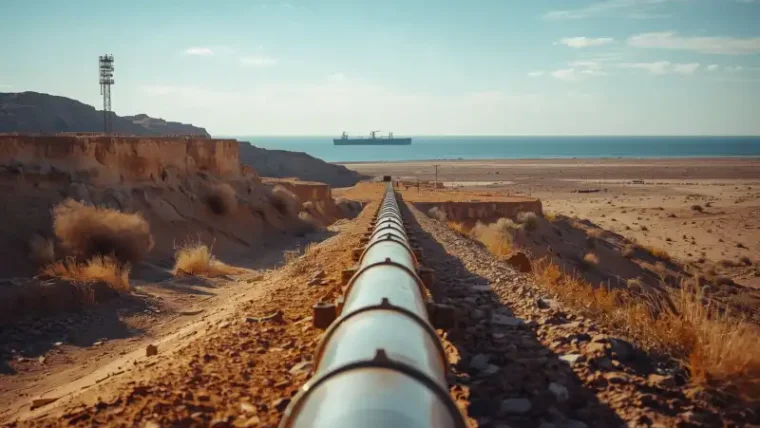
They ask scarier questions: How long will this last? Will energy prices spike? Will trade routes stay open? That uncertainty creates a risk premium that lingers like a bad hangover. Markets don’t just fall—they stay cautious until the fear premium finally unwinds. And that takes time because nobody rings a bell when the risk is “priced in enough.”
Lessons from 2022: A Shift in Global Sentiment
Look at the data from 2022 again. When supply disruptions intensified, energy prices climbed rapidly, and global indices dropped. The initial drop was violent, but the real challenge was the slow adjustment afterward. Even after the first shock wore off, the global landscape had changed. Companies spent quarters rewriting supplier contracts and rerouting trade.
Investors rotated hard out of consumer sectors and into energy and commodities. That rotation wasn’t a one-month thing. It took over a year for the broader market to digest the new reality. Fourteen months to get back to previous levels in many benchmarks. That’s a regime shift in sentiment.
History Repeating Itself: Market Memory
I’ve seen this movie before. From the energy crises of the 1970s to the regional tensions in 1990 and 2014, market bottoms often happen fast, but full recovery takes months because the economic scars—like higher input costs feeding into everything—hang around. Historical shocks prove that recovery curves are longer when the resolution timeline is hard to model.
Drawdown or Long-Term Rotation?
So here’s the million-dollar question: Is the dip we’re watching just a healthy drawdown or the start of a proper long-term rotation? A healthy drawdown is the market’s way of breathing; you buy those dips if the story hasn’t changed. But geopolitical shifts often morph into rotations. Capital doesn’t just come back to the same names. It flows into different sectors, like materials or energy, while high-growth tech might lag. This isn’t temporary noise; it’s a repricing of risk that can last for quarters.
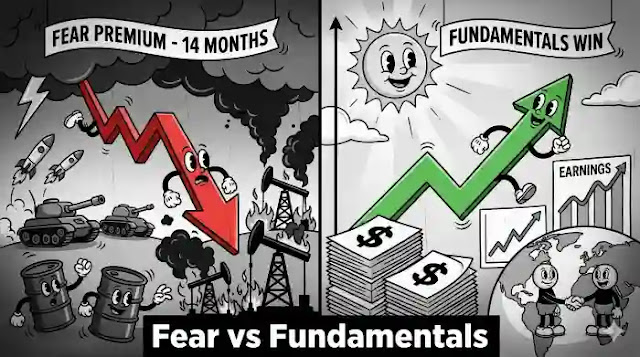
My Personal Take: Fear vs. Fundamentals
My personal read? Most geopolitical dips start scary but end up being opportunities for the patient. Markets have an incredible ability to adapt. Supply chains reroute, and new sources of growth are found. The long-term trend of human progress doesn’t die because of global tensions. But in the middle of it, fear wins. People sell quality businesses at low prices because the headlines are loud.
Don’t panic sell, but don’t be a hero either. Keep some dry powder for when the risk premium peaks. Concentrate on companies that combine financial resilience with pricing flexibility. If you’re in India, keep an eye on the currency and energy imports, as those can amplify the impact.
At the end of the day, this game is still fear versus fundamentals. Geopolitics feeds fear, but fundamentals eventually win. The 2022 example proves that markets eventually recover once the world figures out how to live with the new reality. The only question is whether you have the stomach to wait out the adjustment period. Respect the risk premium, trade the fundamentals, and remember—it’s just a longer, bumpier road back to new highs.
Frequently Asked Questions (FAQ)
- Is a small dip worth worrying about?
Most major indexes are still up significantly over the past year. However, specific international markets hitting a 10% dip are where the real value opportunities start to appear.
- Why do International ETFs fall harder than the S&P 500?
They are more sensitive to energy shocks and often lack the strategic cushions found in the US. Plus, capital usually rushes to the US Dollar during global uncertainty.
- What is the best strategy during high volatility?
DCA (Dollar Cost Averaging) is usually the safest move. Investing in small chunks rather than all at once helps you manage the risk if the market continues to slide.