The 2026 Global Market Crash: Decoding Lloyd Blankfein’s Dire Warning
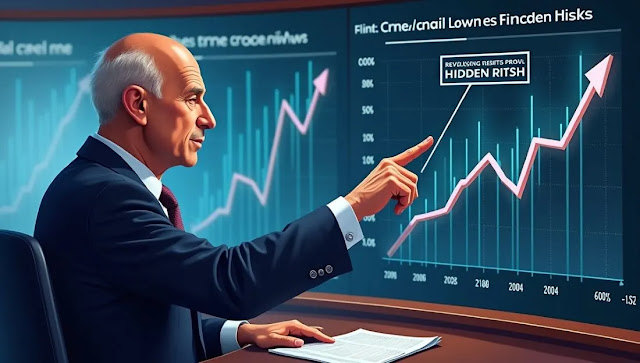
The financial world is currently on edge. When a man who navigated one of the greatest financial storms in history speaks up, the world stops to listen. Lloyd Blankfein, the former CEO of Goldman Sachs, has issued a chilling alert that he can “smell” a fresh market crisis brewing.
But is this just another case of a veteran being overly cautious, or are we truly standing on the precipice of a 2026 global meltdown? In this deep dive, we explore why Blankfein’s “smell test” matters, the geopolitical triggers involved, and what you can do to safeguard your wealth.
Who is Lloyd Blankfein and Why Should You Listen?
To understand the weight of this warning, you have to look at the man behind it. Blankfein led Goldman Sachs from 2006 to 2018. This means he was the captain of the ship during the 2008 subprime mortgage crisis. He saw firsthand how systemic risks hide in plain sight before they explode.
When Blankfein says the “horses are starting to whinny in the corral,” he is using a metaphor for the nervous energy that precedes a stampede. His experience with the 2008 crash, the 2020 COVID dip, and various energy shocks gives him a unique perspective. He isn’t looking at daily charts; he is looking at the structural integrity of the global economy.
The “Perfect Storm” of 2026: What’s Triggering the Fear?
A market crash is rarely caused by a single event. Usually, it is a “perfect storm” where multiple negative factors collide. According to recent reports and discussions, there are three primary pillars to this current fear:
1. The Iran-US Geopolitical Powder Keg
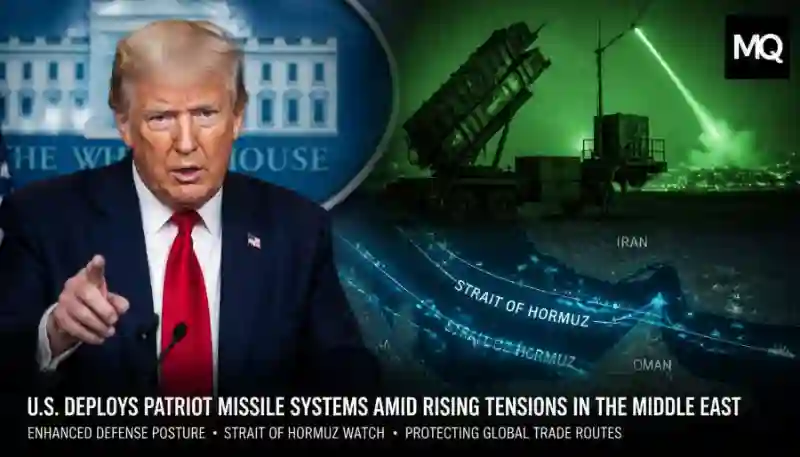
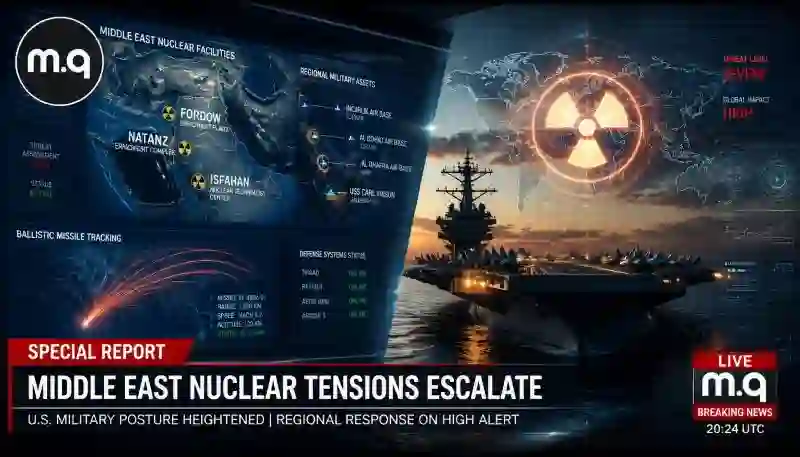
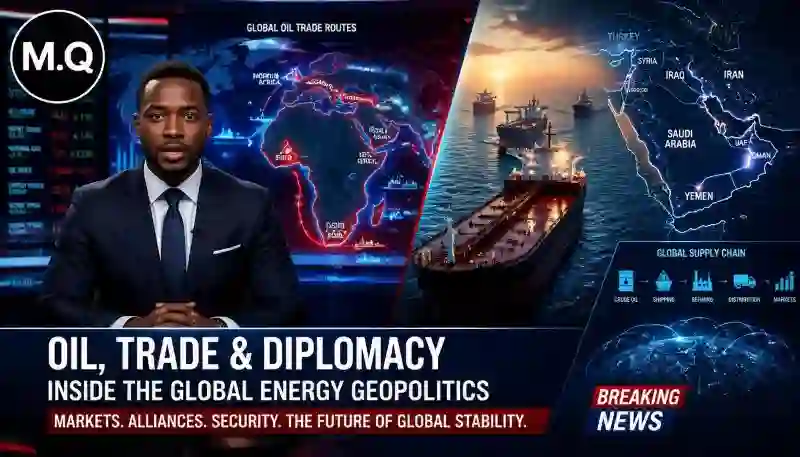
The most immediate threat is the escalating tension between Iran and the United States. Geopolitical instability is the enemy of the stock market. If a conflict breaks out, the first casualty is global trade. The Strait of Hormuz, a narrow waterway through which roughly 20% of the world’s oil flows, is at the center of this risk. Any blockade or military action here would send shockwaves through every stock exchange from New York to Mumbai.
2. The 130% Energy Price Surge
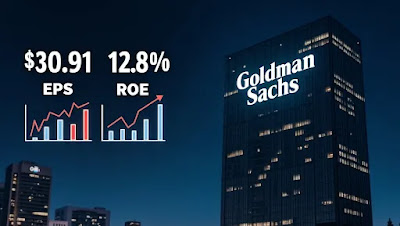
Energy is the lifeblood of the economy. Goldman Sachs has highlighted a terrifying possibility: if the Iran-US situation deteriorates, European gas prices could surge by as much as 130%.
When energy prices skyrocket, the cost of production rises for every company. Logistics become expensive, air travel costs soar, and consumer spending power drops. This is called “Cost-Push Inflation,” and it is historically a precursor to severe market corrections.
3. The IMF’s Red Flag
It’s not just Blankfein raising the alarm. The International Monetary Fund (IMF) has already trimmed its global growth forecast for 2026. They expect the slowest pace of growth since the 2008 crisis (excluding the pandemic years). When growth stalls while debt remains at record highs, the “economic engine” begins to smoke.
The Impact on India: Why We Aren’t Immune
While the Indian economy has shown incredible resilience, we are not an island. A global crash triggered by US-Iran tensions would hit India through several channels:
- FII Sell-off: Foreign Institutional Investors (FIIs) treat emerging markets as “risk-on” assets.
- The Rupee and Oil: India imports about 85% of its crude oil, and high prices weaken the Rupee while spiking domestic inflation.
- Sector Vulnerability: Sectors like Aviation, Paints, and Logistics—which are heavily dependent on oil derivatives—would see their profit margins vanish overnight.
How to Prepare: The Investor’s Survival Guide
A warning is not a reason to panic; it’s a reason to prepare. Here is how seasoned investors handle a “Blankfein-style” warning:
- Increase Your Gold Allocation: Gold has historically been the ultimate hedge against geopolitical chaos and market crashes.
- Maintain a Cash Buffer: Keeping 10-20% of your portfolio in cash allows you to buy high-quality stocks at a massive discount if a crash happens.
- Move to Defensive Sectors: Reduce exposure to oil-sensitive stocks and move toward FMCG, Pharmaceuticals, and Utilities.
- Avoid Panic Selling: History shows that markets always recover. Have a plan, set your stop losses, and don’t let emotions drive your decisions.
Frequently Asked Questions (FAQs): Did Lloyd Blankfein warn about?
Blankfein stated that he can “smell” a fresh financial crisis brewing, citing high debt, geopolitical tensions, and energy price risks as major concerns for 2026.
Q2. How does the Iran-US conflict affect my stock portfolio?
A conflict can lead to a blockade of the Strait of Hormuz, causing oil and gas prices to spike. This increases inflation and reduces corporate profits.
Q3. Is the Indian stock market going to crash in 2026?
While no one can predict the future, India remains vulnerable to global “liquidity shocks” if foreign investors pull out money during a global crisis.
Q4. Why is the 130% gas price hike mentioned?
Goldman Sachs analysts have warned that a major disruption in energy supply chains could lead to a 130% increase in European gas prices.
Q5. Did the IMF confirm this economic slowdown?
Yes, the IMF has lowered its 2026 global growth forecast to its slowest pace since the 2008 financial crisis.