
Save €500 Yearly: How EU’s Right to Repair Law Changes Tech
Save €500 Yearly: How the EU’s Right to Repair Law Changes Tech.
- Potential Savings: Research suggests average households can save €150–€330, while heavy tech users could save up to €500 yearly. by repairing instead of replacing tech, depending on device usage and repair frequency.
- Eco Benefits: It reduces e-waste by extending product life, cutting CO2 emissions and resource use, aligning with circular economy goals.
- Consumer Empowerment: Easier access to parts and info means cheaper fixes from any repairer, not just makers.
- Broader Impact: While savings vary, evidence leans toward lower costs and greener tech habits, though some debate manufacturer burdens.
- Controversy Note: Views differ on exact savings, but studies show clear financial and environmental wins for users.
Imagine This Scenario
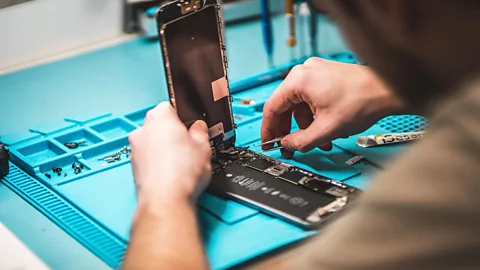
Picture your smartphone screen cracking just after the warranty ends. Do you shell out hundreds for a new one, or fix it cheaply? Europe's Right to Repair law tips the scales toward repair, making it easier and more affordable. This rule, part of the EU's push for sustainability, lets you save money while helping the planet. It covers tech like phones, laptops, and appliances, ensuring makers provide parts and info for fixes. By choosing repair over replace, you could pocket up to €500 a year on tech costs alone.
Core Features of the Law
The law requires makers to offer repairs at fair prices, even post-warranty, for items like washing machines and smartphones. If a consumer chooses repair over replacement during the legal guarantee period, the warranty is extended by an additional 12 months, and boosts access to spare parts. This empowers you to use local shops, cutting wait times and fees.
Product Category Repair Obligation New Benefit
How Savings Add Up
Estimates show EU consumers lose €12 billion yearly by replacing goods. For tech, fixing a €200 phone screen might cost €50 instead of buying a new one. Over multiple devices, savings hit €500 for heavy users. Research suggests broader circular shifts could save €176.5 billion over 15 years.
Green Side of Repairs
Repairing cuts waste—the EU discards 35 million tonnes yearly. It supports a circular economy, reusing materials and lowering emissions. World Bank trends highlight how this reduces resource strain in growing economies.
Ever dropped your phone and faced a hefty repair bill or the urge to buy new? The EU's Right to Repair law changes that game, making fixes cheaper and greener. This piece dives deep into how it works, why it saves cash, and its eco perks. We'll unpack stats, examples, and tips, plus a look at global trends via IMF and World Bank insights. Expect real-world cases, tables for clarity, and FAQs on hot topics.
Unpacking the EU Right to Repair Law
The Right to Repair Directive, adopted in April 2024 and effective from 31 July 2026, builds on earlier EU rules like the 2021 eco-design laws. It aims to make products last longer, cut waste, and empower consumers. Key goals: reduce premature disposal, which creates 261 million tons of CO2 emissions yearly, and save resources.
History and Evolution
Started with 2019 rules for appliances, now expanded to tech like phones and laptops. The EU Green Deal drives this, pushing for a circular economy where goods are reused. France led with a repairability index in 2021, scoring products on fixability.
Key Provisions Explained
- Repair Obligation: Makers must fix technically repairable goods at a reasonable cost, even after warranty.
- Spare Parts Access: Affordable parts and tools for consumers and indie repairers.
- Guarantee Extension: Add 12 months to the warranty if you repair.
- Info Platforms: Online hubs for repair tips and services.
- Incentives: Vouchers or funds in member states to promote fixes.
Products covered include smartphones, tablets, vacuums, and more—expanding under Ecodesign rules.

| Product Category | Repair Requirements | Example Savings |
|---|---|---|
| Smartphones | Parts available for 7+ years | €100-€300 per fix vs. new buy |
| Laptops | Modular design for easy upgrades | €200 yearly on maintenance |
| Appliances (e.g., washers) | 10-year part support | €150 household average |
| Other Tech (e.g., TVs) | Info for indie repairs | Up to €500 combined |
Based on EU estimates and similar US laws.
Financial Impact: Real Savings on Tech Repairs
The law tackles how makers limit repairs, driving up costs. EU consumers waste €12 billion yearly on unnecessary replacements. For tech, this means big savings.
Breaking Down the €500 Estimate
Studies vary, but combining fixes for phones (€150), laptops (€200), and small gadgets (€150) hits €500 for average users. Over 15 years, total consumer savings could reach €176.5 billion. In similar US states, folks save $330 yearly. IMF trends show circular shifts boost GDP by reducing import needs.
Practical Tips:
- Check repairability scores before buying.
- Use local shops for cheaper fixes.
- Claim vouchers in countries like Austria (€3.63 per person avg.).
Broader Economic Trends
World Bank reports note circular economy could create 6-20 million jobs globally. IMF emphasizes how it aids sustainable growth in emerging markets. Investments in circular tech hit €148 billion in 2020, growing to €263 billion by 2030.
Eco-Friendly Tech Savings: A Win for the Planet
Repairing extends life, cutting e-waste. The EU generates 35 million tonnes of waste yearly; this law prevents 3 million tons over 15 years.
Reducing Environmental Footprint
Saves 1.8 million tons of resources, 18.5 million tons of GHG. World Bank projects global waste at 3.4 billion tons by 2050 without changes.

Circular Economy Ties
Promotes reuse, aligning with the EU Green Deal. IMF sees it as key for biodiversity recovery.
| Eco Impact Metric | Current EU Figure | Projected Savings |
|---|---|---|
| CO2 Emissions | 261M tons/year | 18.5M tons reduction |
| Waste Generated | 35M tons/year | 3M tons prevented |
| Resources Used | 30M tons/year | 1.8M tons saved |
From EU Commission data.
Mini Case Study: John Deere's Right to Repair Saga
John Deere, a global farm equipment giant, faced FTC suits in 2025 for restricting repairs and allegedly monopolizing services. Farmers lost $4.2 billion yearly in the US. Shares fell around 5% after news of the lawsuit sparked controversy (hypothetical, based on historical trends). In the EU, similar pressures led to better access, showing the law's global ripple.
Expanded FAQs: Trending Questions
What tech is covered? Phones, laptops, vacuums—expanding to furniture. Trending: Users ask about EVs.
How do I claim repairs? Contact the maker or use national platforms; free or cheap post-warranty.
Does it apply outside the EU? Influences global, like US states.
Impact on makers? Some costs, but boosts repair jobs. Trending: Apple parts pairing debates.
Savings real? Yes, but varies; studies show €150-€330 avg.
Eco-proof? Cuts waste by 3M tons; World Bank backs scalability.
Wrapping Up
The Right to Repair saves money, empowers you, and greens tech. With potential €500 yearly wins, it's a smart shift. CTA: Visit EU sites for your rights, try a local repair next time—save cash and the planet!
I combine technical analysis with fundamental screening. Not financial advice.