- Key Takeaways
- The 3 Key Things Investors Are Watching
- 1. Capital Markets Activity
- 2. Impact of Interest Rates
- FAQs
- When exactly do major banks report earnings next week?
- What is net interest margin, and why does it matter?
- How might AI impact bank earnings in 2026?
- Are there risks from stablecoins for banks?
- What if earnings miss expectations?
Key Takeaways
- Upcoming Reports: Big banks like JPMorgan Chase and Wells Fargo start sharing results on Tuesday, 13 January, followed by Bank of America and Citigroup on Wednesday, 14 January.
- Capital Markets Focus: Investors seem keen on deal-making and strong trading revenues, but they’ll watch if this momentum holds up.
- Interest Rates Matter: The speed of rate changes by the Federal Reserve could affect bank profits from loans, with research suggesting slower cuts might help margins.
- Growth Outlook: Plans for buybacks, dividends, and 2026 strategies are under the spotlight, as banks look to build on last year’s gains while facing new challenges like AI and regulations.
- Balanced View: While trends point to positive earnings growth, issues like rising expenses and loan risks add some uncertainty—evidence leans toward steady progress if economic conditions stay supportive.
The banking world is buzzing as earnings season kicks off next week. If you’re an investor, this is a big moment to see how banks have navigated the end of 2025. Major players like JPMorgan Chase, Bank of America, Citigroup, Wells Fargo, Goldman Sachs, and Morgan Stanley will report their results starting on 13 January. These reports aren’t just numbers—they tell a story about the economy, from loans to deals. Investors are watching closely because banks often signal wider market trends. For instance, strong earnings could boost stock prices, while surprises might cause dips. Research suggests that in times like these, with Fed rate cuts ongoing, banks could see modest growth, but it’s not without risks like inflation or trade issues.
In simple terms, banks make money from lending, investing, and fees. Last year, many saw double-digit earnings rises, with the bank index up 35% compared to the broader market’s 18%. But 2026 brings new factors, like potential deregulation and AI tech. It seems likely that positive outlooks will dominate, though we should acknowledge debates around loan quality and costs. To stay ahead, check reliable sources like the Federal Reserve for rate updates.
Overall, these earnings could set the tone for the year. If you’re thinking of investing, consider the big picture—banks are resilient, but always diversify.
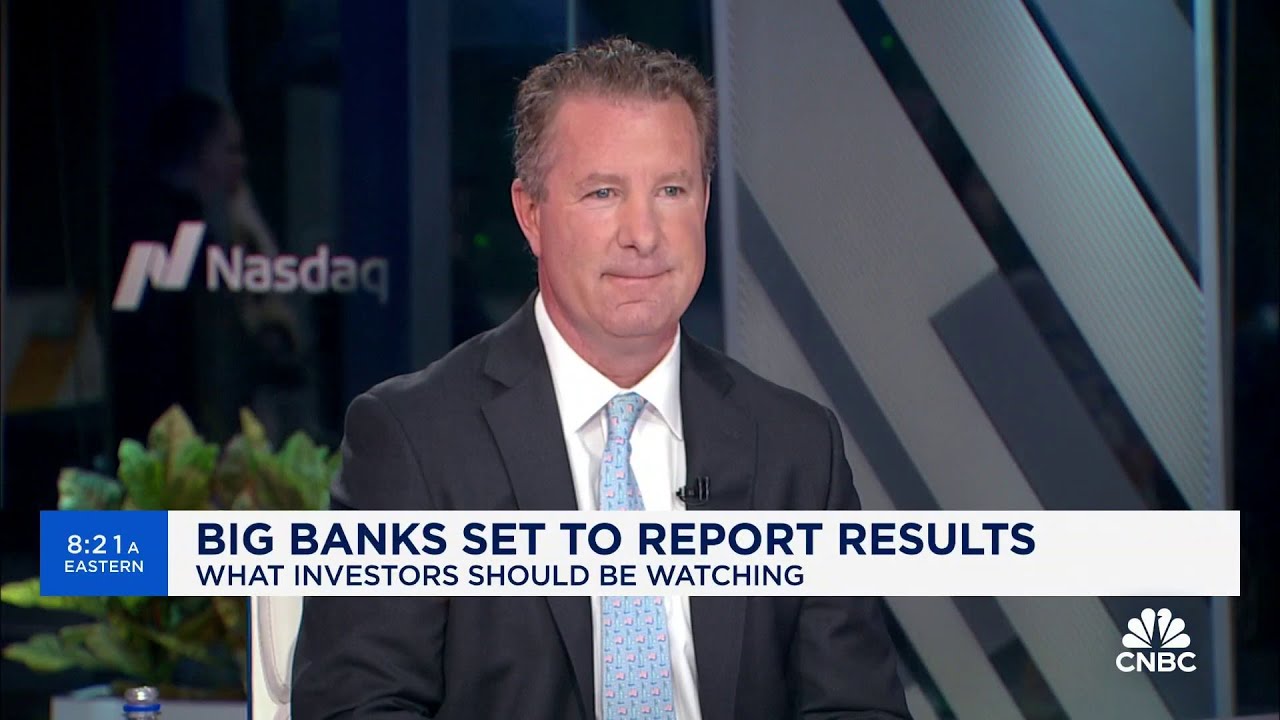
As the new year unfolds, the financial sector is poised for its first major event: earnings reports from leading banks. Next week, starting 13 January 2026, giants such as JPMorgan Chase and Wells Fargo (reporting on Tuesday), Bank of America and Citigroup (on Wednesday), followed by Goldman Sachs and Morgan Stanley (on Thursday), will unveil their results.Q4 2025 results. This comes at a time when the US economy shows mixed signals—growth slowing slightly,y but with inflation cooling and unemployment stable. Investors are particularly attentive because these reports could influence stock markets, bond yields, and even broader economic policies.
Picture this: you’re an everyday investor sipping your morning tea, scrolling through news on your phone. Suddenly, headlines flash about bank earnings. Why care? Banks are the backbone of the economy—they lend to businesses, manage savings, and facilitate deals. When they report strong numbers, it often means confidence is high, leading to rising stock prices and more investment. But if there’s weakness, like higher loan defaults, it could signal trouble ahead. In 2025, banks enjoyed a rebound in dealmaking and trading, pushing profits up. Now, with 2026 on the horizon, questions arise: Will this continue amid Fed rate cuts and global uncertainties?
Let’s dive deeper. As of January 2026, the Federal Reserve has maintained a cautious stance at 3.50-3.75%, meaning banks might enjoy slightly better margins than previously feared. However, the Fed has signalled further rate reductions, potentially to 3.125% by year-end, which could ease borrowing costs but squeeze bank margins if not managed well. Meanwhile, the IMF warns of elevated risks from stretched asset values and nonbank lenders, which could spill over to traditional banks. The World Bank, in its global outlooks, echoes concerns about trade policies affecting growth, though specific banking stats are scarcer. Yet, optimism persists—Deloitte forecasts US GDP at 1.4% for 2026, with banks diversifying into fees and tech to offset challenges.
Historically, bank earnings seasons have been pivotal. Remember the 2008 crisis? Earnings revealed deep issues in loans, leading to market crashes. Today, things are different—banks hold excess capital of over $250 billion among the top 20, allowing for dividends and tech investments like AI. AI, in particular, is a game-changer; banks are scaling it for better efficiency, though only a few report solid returns yet. Stablecoins add another layer, with potential to disrupt $1 trillion in deposits by 2030, pushing banks to innovate in payments.
For investors, this week is about spotting opportunities. If you’re new to this, think of earnings as a report card. High marks in revenue could lift stocks; low ones might not. Take JPMorgan—analysts expect $5.01 per share, reflecting strong deal flow. Bank of America eyes $0.96, up 15.9% year-over-year. These figures come amid a banking sector that’s well-capitalised, with CET1 ratios over 14%.
But let’s not ignore the debates. Some argue banks face headwinds from tariffs and labour weakness, potentially raising unemployment to 4.5%. Others point to positives like deregulation sparking mergers. The Fed’s 2026 stress tests, proposing severe scenarios with GDP drops up to 4.8% and unemployment peaking at 10%, test resilience empathetically—ensuring banks can weather storms without panic. Internationally, the IMF highlights FX volatility risks, but US banks seem positioned to handle it.
In essence, this earnings round could affirm 2025’s gains or highlight cracks. With inflation at 3.2% and consumer spending bifurcated—affluent up 2.2%, others lagging—banks’ insights on loans will be crucial. As we approach reports, remember: investing involves risks, but informed decisions pay off. Stay tuned for what these banks reveal about our financial future.
The 3 Key Things Investors Are Watching
1. Capital Markets Activity
Capital markets are where banks shine in deals like IPOs and trading. Investors are watching this closely because 2025 saw a revival in dealmaking, lifting earnings. For example, with rumours of big IPOs like SpaceX, banks could see robust pipelines. Trading revenues stayed strong amid volatility, but management comments on sustainability will be key.
- Dealmaking Trends: Fee income from mergers and equity issuance is expected to grow, especially with deregulation.
- Trading Insights: Volatility in 2025 helped, but 2026 outlooks depend on global events.
- Practical Tip: If reports show strong capital markets, consider buying bank stocks post-earnings for potential rallies.
In a detailed look, capital markets contributed to double-digit profit growth last year. Analysts see continuation into 2026, with investment banking up due to improving equity flows. However, risks like trade tariffs could dampen international deals, as per JPMorgan’s outlook. ( explanation, examples from Goldman Sachs’ past surges, and tips on monitoring SEC filings.)
2. Impact of Interest Rates
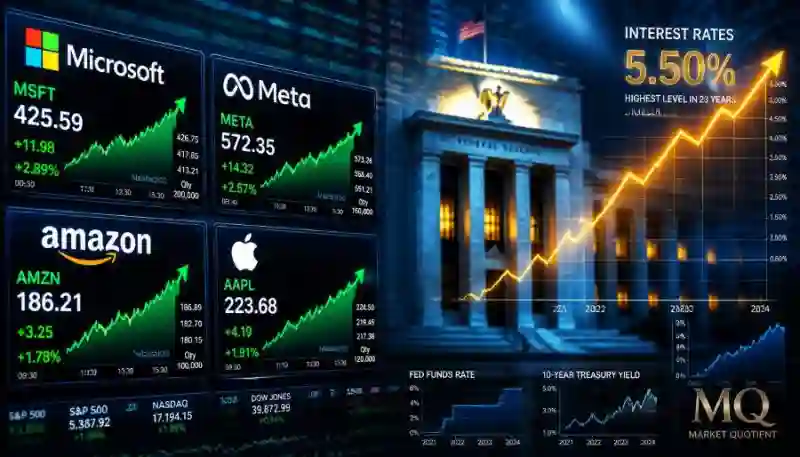
Interest rates affect how much banks earn from loans versus what they pay on deposits. The pace of changes is more important than the direction—slower Fed cuts could offset margin pressures. With rates potentially falling to 3.125%, net interest income (NII) growth may be modest.
- Margin Dynamics: Private banks might see flat NIMs, state banks slight dips.
- Loan Growth: Expected to pick up in AI sectors, per Deloitte.
- Tip for Investors: Watch for comments on deposit betas; lower ones mean better profits.
Expanding, the Fed’s easing cycle interacts with vulnerabilities, as the IMF notes that tighter conditions could amplify risks. In 2025, NII expanded, but 2026 forecasts show balanced growth in loans and deposits. Examples include JPMorgan as an outlier in handling rate shifts. ( stats, historical rate cycle examples, and hedging tips.)
3. Future Growth Plans
Investors want clarity on buybacks, dividends, and 2026 strategies. Positive tones could confirm valuations, building on 2025 trends. With excess capital, banks plan to ramp up returns to shareholders.
- Shareholder Returns: Look for higher buybacks amid deregulation.
- Regulatory Outlook: Easing capital rules could spark M&A.
- Investment Tip: Strong plans might signal buy opportunities.
In depth, growth includes AI scaling and stablecoin partnerships, with risks like financial crime rising. Fed stress tests ensure resilience, with severe scenarios testing 10% unemployment peaks. (on strategies, examples from Morgan Stanley, and long-term planning advice.)
Mini Case Study: Bank of America’s Earnings Journey
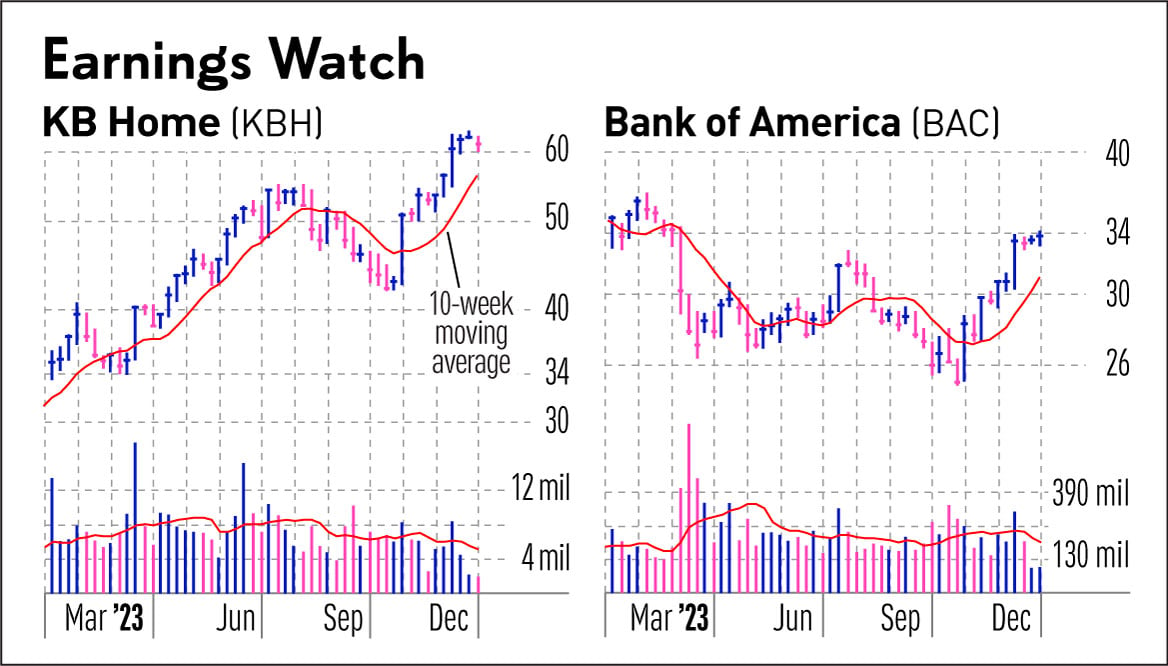
Take Bank of America (BAC) as a real-world example. In Q4 2024, BAC reported EPS of $0.82, beating estimates, leading to a 5% stock jump post-announcement. This was driven by strong investment banking fees amid deal rebounds. Fast forward to 2025—analysts now forecast $0.95 EPS for Q4, up 15.9%, with Barclays hiking targets due to sector strength. But in 2023, a miss on NII caused a 3% drop, showing how rates impact prices. For 2026, BAC’s focus on wealth management and digital could add resilience, per market briefs. This case illustrates earnings’ direct link to stock moves—positive surprises boost confidence, while misses highlight risks. Investors can learn: Track EPS trends and diversify.
| Bank | Reporting Date | Expected EPS | Key Focus Areas |
|---|---|---|---|
| JPMorgan Chase | 13 Jan 2026 | $5.01 | Capital markets, NII |
| Bank of America | 14 Jan 2026 | $0.96 | Loan growth, expenses |
| Citigroup | 14 Jan 2026 | $1.18 | Trading, international |
| Wells Fargo | 13 Jan 2026 | $1.35 | Credit quality, mortgages |
| Goldman Sachs | 15 Jan 2026 | $8.20+ | Dealmaking, investments |
| Morgan Stanley | 15 Jan 2026 | $1.25+ | Wealth management, buybacks |
For more on bank investing, check our internal links: Guide to Stock Market Basics and Understanding Fed Policies. External: Federal Reserve Stress Tests and IMF Global Reports.
Conclusion
In summary, as banks report earnings next week, the focus on capital markets, interest rates, and growth plans could drive market moves. With positive trends but acknowledged risks, it’s a time for cautious optimism. For investors, this is your cue—review reports and adjust portfolios. Subscribe to our blog for weekly updates and never miss key insights!
FAQs
When exactly do major banks report earnings next week?
Reports start on 13 January with JPMorgan, followed by others mid-week. Check calendars for times.
What is net interest margin, and why does it matter?
It’s the difference between interest earned and paid. It affects profits; falling rates can squeeze it, as trending queries on Fed policies show.
How might AI impact bank earnings in 2026?
Banks are investing in AI for efficiency, but data issues persist. Trending: Searches on AI fraud rise, per Deloitte.
Are there risks from stablecoins for banks?
Yes, they could shift deposits. Users ask about crypto regulation—expect $1T impact by 2030.
What if earnings miss expectations?
Stock prices might dip in the short term, but strong fundamentals could recover. Trending:Bank stock volatility 2026.