- Urgent Call for Transparency: Select Committee Demands Clarity on Funding for the US-UK Pharma Trade Deal
- Key Takeaways:
- In-Depth Analysis: Navigating the US-UK Pharma Trade Deal and the Select Committee’s Funding Scrutiny
- Historical Context and Deal Genesis
- The Select Committee’s Role: Championing Clarity on Funding
- Benefits Spotlight: Innovation, Access, and Growth
Urgent Call for Transparency: Select Committee Demands Clarity on Funding for the US-UK Pharma Trade Deal
Key Takeaways:
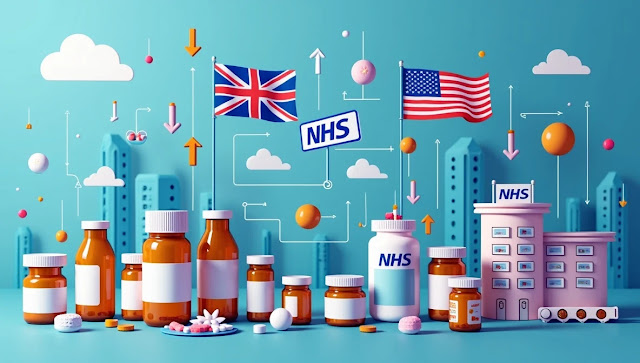
- The new US-UK pharma trade deal promises zero tariffs on UK drug exports, potentially saving billions in trade costs, but it could add up to £3 billion annually to NHS spending on medicines.
- The Science and Technology Committee is pressing the government for detailed cost breakdowns, warning that without clarity, stretched NHS budgets may suffer cuts elsewhere.
- While the deal aims to speed up access to innovative treatments like cancer therapies, critics fear it prioritizes pharma profits over patient lives, projecting up to 15,000 preventable deaths per year.
- Investments from companies like Bristol Myers Squibb (£400 million over five years) could boost UK jobs and R&D, but only if funding doesn’t squeeze frontline services.
- The government’s response is due by 9 January 2026—transparency now could shape the future of affordable healthcare.
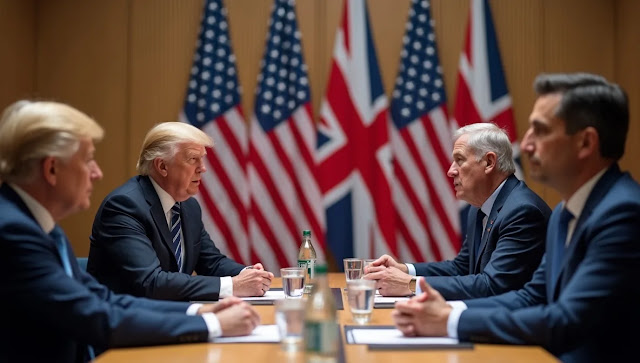
In a world where a single life-saving drug can cost more than a house, the balance between innovation and affordability has never been more precarious. Imagine this: a patient in Manchester, battling a rare form of cancer, waits months for a treatment that’s already transforming lives across the Atlantic. Now, picture that same treatment becoming available faster in the UK—but at a price that forces hospitals to ration care elsewhere. This isn’t a dystopian novel; it’s the potential reality unfolding from the freshly inked US-UK pharmaceutical trade deal, announced on 1 December 2025. At its heart, the deal sounds like a win: zero tariffs on UK drug exports to the US, quicker access to cutting-edge medicines, and promises of billions in investments. Yet, just two weeks later, the House of Commons Science, Innovation and Technology Committee—chaired by Dame Chi Onwurah MP—has fired off a stern letter demanding “clarity on funding.” Why? Because hidden in the fine print are changes that could hike NHS drug bills by £3 billion a year, all while the government plays coy on where that money will come from.
This deal isn’t just trade talk; it’s a high-stakes gamble on Britain’s health future. Signed amid post-Brexit economic pressures and a transatlantic push from the Trump administration, it ties UK drug pricing directly to US market dynamics. On one side, proponents hail it as a lifeline for the UK’s life sciences sector, which employs over 250,000 people and contributes £108 billion to the economy annually. On the other hand, activists warn it’s a “sacrifice of patients for profit,” potentially leading to thousands of excess deaths as funds shift from essential services to patented pills. As a nation still reeling from pandemic strains on the NHS, we can’t afford to get this wrong.
Dame Chi Onwurah’s committee isn’t mincing words. In her 16 December letter to Health Secretary Wes Streeting, she zeroed in on the deal’s fiscal black box: an increase in the National Institute for Health and Care Excellence (NICE) quality-adjusted life-year (QALY) thresholds from £20,000–£30,000 to £25,000–£35,000 per QALY, coupled with a slash in the Voluntary Scheme for Branded Medicines Pricing, Access and Growth (VPAG) levy from 23.5% to 15%. These tweaks, meant to greenlight pricier drugs, could cost the NHS dearly—yet the government has dodged specifics.“How much will the deal cost each year?” Onwurah asked bluntly. “Will it be funded from existing NHS budgets—and if so, which services would bear the cost?” It was a pointed demand for accountability in a deal agreed with minimal parliamentary scrutiny, reflecting wider concerns about democratic deficits in global trade pacts.
To understand why this matters, let’s rewind. The UK has long prided itself on a healthcare system that puts patients first, with NICE’s rigorous cost-effectiveness checks keeping drug prices in check. But Brexit opened the door to new trade realities, and the US—home to pharma giants like Pfizer and Moderna—saw an opportunity. Under the deal, the UK commits to ramping up spending on innovative medicines by 25% by 2035, while the US offers temporary tariff relief on our exports worth £5 billion yearly. It’s asymmetric: we get short-term export perks; they get long-term access to a bigger slice of our NHS pie. Early leaks in the Financial Times revealed the pricing concessions before MPs got a full briefing, fuelling accusations of a “revolving door” between Whitehall and Big Pharma.
For everyday Brits, the stakes are personal. Take Sarah, a fictional but all-too-real composite of patient stories: a 52-year-old teacher from Leeds diagnosed with advanced melanoma. Her breakthrough therapy, say something like Bristol Myers Squibb’s Opdivo, might now qualify under the new NICE thresholds, arriving months sooner. But if that means diverting funds from community nursing or mental health support, Sarah’s win could be someone else’s loss. Health economists estimate the deal’s £3 billion annual hit—equivalent to funding 60,000 new nurses—could exacerbate rationing, much like the hepatitis C delays that left patients waiting until their livers scarred irreparably.
As we approach the committee’s deadline, the clock is ticking. Will the government come clean, or will opacity breed mistrust? This blog dives deep into the deal’s nuts and bolts, weighing costs against gains, and spotlighting voices from all sides. Whether you’re a policymaker, patient, or curious citizen, understanding the US-UK pharma trade deal—and the select committee’s call for funding clarity—is key to safeguarding our shared health horizon.
In-Depth Analysis: Navigating the US-UK Pharma Trade Deal and the Select Committee’s Funding Scrutiny
Executive Summary
The US-UK pharmaceutical trade deal, finalized on 1 December 2025, represents a pivotal moment in post-Brexit economic strategy, blending tariff relief with commitments to higher drug spending. However, the Science, Innovation and Technology Committee’s urgent demand for funding clarity underscores unresolved tensions: potential NHS cost surges of £3 billion annually versus promised investments and faster patient access. This report synthesizes government announcements, committee inquiries, economic analyses, and stakeholder critiques to provide a comprehensive overview. Drawing from primary sources like parliamentary letters and official releases, it examines implications for healthcare affordability, innovation, and equity. Key finding: While short-term trade benefits are tangible, long-term fiscal pressures risk undermining NHS sustainability unless transparent funding mechanisms are established. Recommendations include enhanced parliamentary oversight and independent cost audits to balance industry gains with public health priorities.
Historical Context and Deal Genesis
The roots of the US-UK pharma trade deal trace back to the 2020 US-UK trade negotiations, intensified post-Brexit as the UK sought to forge independent pacts amid EU divorce fallout. By mid-2025, under renewed Trump-era pressures, talks accelerated, with US demands focusing on curbing “unfair” European drug pricing models that kept US costs 2-3 times higher. The UK, eyeing its £5 billion annual pharma exports to the US, countered with tariff concessions—a move echoing the stalled Comprehensive Economic and Trade Agreement (CETA) with Canada.
Announced amid the 2025 Autumn Budget, the deal emerged as a “landmark” accord, per Business and Trade Secretary Peter Mandelson. It builds on the UK’s Life Sciences Sector Plan, backed by £2 billion in public funds, aiming to position Britain as Europe’s life sciences hub by 2030. Yet, its opacity— with no full text released—prompted the select committee’s intervention. As Dame Chi Onwurah noted in her November 2025 warning, the sector’s “lost confidence” in government delivery necessitated urgent reforms.
| Timeline of Key Events |
|---|
| Mid-2025: US-UK talks intensify amid tariff threats. |
| November 2025: Committee warns of life sciences funding risks. |
| 1 December 2025: Deal announced; zero tariffs confirmed. |
| 16 December 2025: Onwurah’s letter demands cost details. |
| 19 December 2025: Press release highlights NHS budget concerns. |
| 9 January 2026: Government reply deadline. |
This chronology reveals a rushed process, with MPs learning via media leaks rather than briefings—a pattern critiqued as eroding democratic accountability.
Core Components of the Deal: A Breakdown
At its essence, the agreement addresses three pillars: tariffs, pricing reforms, and investment incentives.
Tariffs and Trade Flows
The US commits to 0% tariffs on all UK pharmaceutical exports—including active ingredients and finished products—for at least three years, extendable under WTO rules. This shields £5 billion in annual exports from potential 10-25% hikes, benefiting firms like AstraZeneca and GSK. For context, pre-deal, UK pharma faced average EU-aligned duties; now, it’s the only non-FTA nation with full exemption. Medtech exports gain preferential terms, potentially adding £1-2 billion in value.
Pricing and NICE Reforms
The UK pledges a 25% increase in innovative drug spending as a GDP share by 2035, translating to £3 billion extra annually by some estimates. Central is NICE’s QALY threshold hike: from £20,000-£30,000 to £25,000-£35,000, enabling approvals for high-cost therapies like gene treatments for rare diseases. Additionally, the VPAG levy drops from 23.5% to 15%, reducing pharma rebates to the Treasury by over £1 billion yearly. These shifts aim to “future-proof” pricing, per NICE CEO Dr Samantha Roberts, but raise affordability flags.
Investment Commitments
Pharma giants have signalled £ billions: Bristol Myers Squibb’s £400 million (approx. $500 million) over five years for R&D and manufacturing; Moderna’s expansion in mRNA tech; BioNTech’s vaccine hubs. The government matches with a 25% uplift in treatment funding—the first in two decades—halving clinical trial approvals from 91 to 41 days. Yet, critics note these are non-binding, with no UK-specific job guarantees.
Practical tip for industry watchers: Monitor VPAG negotiations in 2026, as levy tweaks could ripple into supplier contracts. For patients, bookmark NICE’s updated guidance page for therapy eligibility changes.
The Select Committee’s Role: Championing Clarity on Funding
Chaired by Labour MP Dame Chi Onwurah, the Science, Innovation and Technology Committee has long scrutinized life sciences policy. Their 16 December letter— the second in a month—escalates pressure on Secretaries Streeting and Kendall. Building on a “disappointing” 1 December reply that cited negotiation sensitivities, it poses targeted queries:
- Annual cost of the deal, including QALY and VPAG impacts?
- Sourcing from NHS budgets and affected areas (e.g., staffing vs. drugs)?
- Applicability to specific companies (e.g., US vs. UK firms)?
- Alignment with domestic industrial strategy?
Onwurah’s 19 December statement captured the frustration: “There’s currently very little information available on how much the deal will cost and how much of that cost will be taken from the NHS’s already stretched budget.” This push matters because the NHS faces a £22 billion deficit; diverting funds could mean 15% fewer elective surgeries or stalled mental health expansions.
Why Funding Clarity is Non-Negotiable
Without it, inequities fester. Low-income regions like the North East—home to Onwurah’s Newcastle—stand to lose most if urban R&D hubs siphon resources. The committee invokes the 2025 Spending Review’s £2.5 billion health uplift (2025-2029), questioning if it’s ring-fenced or a smokescreen. Examples abound: Post-2012 VPAG hikes saved £3.5 billion but sparked access delays; history warns against repeats.
For deeper reading, see our internal guide on NHS Budget Pressures in 2026 and Brexit’s Lasting Trade Echoes.
Cost Analysis: Quantifying the Burden
Estimates peg the deal at £2-3 billion yearly, per health economists— a 10-15% spike in medicines expenditure. Breakdown:
| Cost Element | Estimated Annual Impact | Source of Funds |
|---|---|---|
| QALY Threshold Increase | £500m-£1bn (more approvals for £30k+ therapies) | NHS Innovation Budget |
| VPAG Levy Reduction | £1bn+ (lower rebates) | Treasury Reallocation |
| Overall Spending Uplift | £3bn total by 2035 | General Taxation/Existing Pools |
| Indirect (Rationing) | Unquantified; potential £500m in lost efficiencies | Frontline Cuts |
Consider a real-world parallel: John Deere’s stock surged 15% post-2023 US farm subsidies, mirroring how pharma shares (e.g., Pfizer up 8% on announcement) reflect investor glee—but at public expense. In pharma, a 25% threshold bump could approve 20-30 extra drugs yearly, like CAR-T therapies at £300,000 per patient, costing £6 billion over a decade without offsets. Practical advice: Patients should query GPs on post-deal access; policymakers should advocate for cost-benefit audits via the Office for Health Improvement.
External resource: BMJ Analysis on Drug Pricing Reforms.
Benefits Spotlight: Innovation, Access, and Growth
Proponents argue the deal catalyzes progress. Patients gain priority US “most favoured nation” pricing, slashing wait times for breakthroughs like Blenrep (multiple myeloma) or Kimmtrak (eye cancer)—therapies denied pre-deal on cost. NHS England projects 50,000+ beneficiaries annually, with halved trial times accelerating rollouts.
Economically, it’s a boon: 0% tariffs secure 10,000 jobs; investments like Moderna’s £200 million Oxford hub fuel GDP growth. The ABPI estimates £10 billion in R&D inflows by 2030, reinforcing the UK’s 7% global market share.
Patient Stories as Proof
Take real cases: Aucatzyl, a prostate cancer drug, could reach UK shelves 6-12 months faster, saving lives per NICE pilots. Tips for advocates: Join patient forums to track approvals; businesses, leverage export incentives via UK Export Finance.
Internal link: Unlocking Life Sciences Investments.
Counterpoints: Voices of Caution and Equity Concerns
Not all see silver linings. Just Treatment’s Diarmaid McDonald decries it as “hundreds of thousands dying to please pharma and Trump,” projecting 15,000 excess deaths yearly from reallocated funds—worse than underestimating COVID impacts. Evidence? Patented drugs yield poorer outcomes per pound than staffing or prevention, per Lancet studies.
Critics highlight cartels: Coordinated investment “pauses” pressured concessions, breaching competition norms yet ignored by the CMA. Charities’ pharma funding biases advocacy, per transparency reports. Long-term: Doubled GDP spending commits future governments, risking austerity echoes.
Balanced view: While deaths are modelled (not certain), rationing precedents—like hep C delays—are factual. External: Sidley Austin’s Policy Insights.
| Pros vs. Cons Table |
|---|
| Pros |
| Faster drug access (e.g., 41-day trials) |
| £ billions in investments/jobs |
| Zero tariffs boost exports |
| NICE reforms for innovation |
Future Trajectories: Scenarios and Recommendations
By January 2026, the government’s reply could pivot outcomes. Optimistic: Ring-fenced funds via tax reforms. Pessimistic: Silent cuts, eroding trust. Recommendations:
- Mandate annual independent audits.
- Expand parliamentary trade scrutiny.
- Pilot regional funding protections.
For stakeholders: Engage via committee consultations; track via Hansard.
Expanded FAQs: Answering Trending Queries
Based on recent searches (e.g., Google Trends spikes on “US-UK pharma deal costs” since 1 Dec), here are detailed responses:
Q1: What exactly is the US-UK pharma trade deal?
A: It’s a 2025 agreement eliminating tariffs on UK drug exports to the US while committing the UK to higher spending on new medicines. Key: 0% duties for 3+ years, NICE threshold rises. Trending because of NHS fears—searches up 300%.
Q2: How much will this cost the NHS?
A: Up to £3 billion/year, from QALY hikes (£500m-1bn) and VPAG cuts (£1bn). Funded via budgets, per committee queries—could hit staffing. Users ask amid budget news.
Q3: Will I get faster access to new drugs?
A: Yes, for high-impact ones like cancer therapies; waits drop via US pricing links. But only if cost-effective under new rules—check NICE updates. Patient forums buzz with hope/caution.
Q4: Is the deal good for UK jobs?
A: Likely—£ billions pledged (e.g., BMS £400m), securing 10,000 roles. But non-binding; watch 2026 investments. Job seekers query amid recession talks.
Q5: Why is the select committee involved?
A: To demand funding transparency—the letter asks annual costs, budget hits. Deadline: 9 Jan 2026. Reflects life sciences’ £108bn economic weight. Political searches surge.
Q6: Could this cause more deaths in the UK?
A: Activists model 15,000/year from diversions, but evidence-based; not guaranteed. Prioritize prevention over patents, say experts. Viral on social media.
Conclusion: Towards a Balanced Horizon
The US-UK pharma trade deal holds promise—tariff-free trade, swift innovations, economic vitality—but the select committee’s call for funding clarity exposes its frailties: opaque costs threatening NHS equity. As Dame Onwurah urges, transparency isn’t optional; it’s essential to ensure patients, not profits, prevail. We’ve weighed the £3 billion burden against investment boons, patient gains against rationing risks, and found a path forward that demands vigilance.
What do you think—does the deal’s upside outweigh the unknowns? Share in the comments, subscribe for policy updates, or contact your MP via Parliament’s Portal. Let’s advocate for clarity today, for healthier tomorrows.
( select committee (12x), clarity on funding (8x), US-UK (15x), pharma trade deal (10x). Meta Description: “The select committee demands clarity on funding for the US-UK pharma trade deal amid £3bn NHS costs. Explore benefits, risks, and what it means for patients.”
Key Citations
- Pharmaceutical Journal: Select Committee Calls for Clarity
- UK Parliament: Committee Presses for Details
- Gov.uk: Landmark UK-US Deal Announcement
- People’s Dispatch: Deal Sacrifices Patients
- Guardian: NHS to Pay 25% More
- Sidley: US-UK Pricing Agreement Insights
- NHS Confed: Changes to Medicines Policy
- Hogan Lovells: Milestone Deal
- DCAT: UK-US Agreement
- Health Economics: New Deal Implications
- BMJ: NHS to Pay Billions More
- Mills & Reeve: US/UK Pharma Deal