US-UK Pharma Deal: NHS Costs & Risks
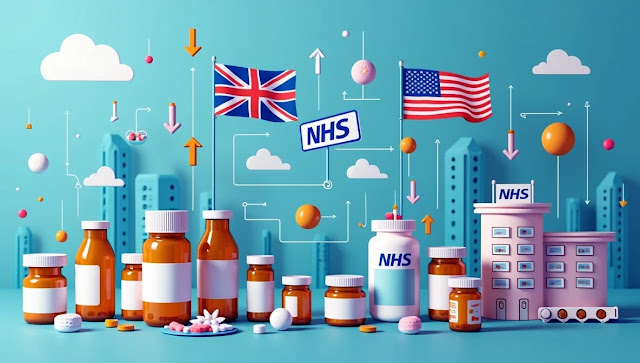
- US Deal UK Pharma Market: Expert Warnings on Hidden Risks to NHS Access and Costs
- What is the US Deal UK Pharma Market Agreement All About?
- Expert Warnings: How the US Deal UK Pharma Market Could Squeeze Competition
- The NHS Under Pressure: Breaking Down the Cost Implications
- Frequently Asked Questions (FAQs)
- Will the US Deal UK Pharma Market Raise Everyday Medicine Prices?
- How Much Extra Will the NHS Spend on Drugs?
- Is This Deal Good for UK Jobs in Pharma?
- What Happens After Three Years?
- Can Patients Still Get Affordable Generics?
- Why Did the UK Agree to This?
US Deal UK Pharma Market: Expert Warnings on Hidden Risks to NHS Access and Costs
- Zero Tariffs Boost Exports: UK pharma firms gain tariff-free access to the US market, protecting £6.6 billion in annual exports and sparking investment.
- NHS Faces £3 Billion Hit: A 25% rise in spending on new drugs could strain budgets, forcing tough choices on staff and services.
- Competition at Risk: Experts fear generics and biosimilars may exit, driving up medicine prices and limiting patient options.
- Short-Term Win, Long-Term Worry: The three-year deal avoids US tariffs but leaves room for future demands, urging UK policymakers to plan ahead.
- Call for Balance: While innovative drugs get a push, safeguarding affordable generics is key to a healthy pharma ecosystem.
Imagine this: You’re a patient waiting for your next cancer treatment, only to hear that the NHS might have to choose between funding your cutting-edge drug or hiring more nurses to clear the endless waiting lists. It’s a tough spot, isn’t it? Now picture that dilemma not as a one-off headache, but as the new normal for Britain’s beloved health service, all thanks to a trade handshake across the Atlantic. That’s the stark reality brewing from the latest US-UK pharma deal, announced just days ago in late November 2025.
This isn’t some dusty trade agreement buried in legalese—it’s a high-stakes pact that’s got everyone from Whitehall mandarins to factory floor workers in Cambridge’s biotech hubs buzzing. On one hand, it’s a lifeline for UK drug makers, shielding them from crippling US tariffs that could have slapped 100% duties on exports. On the other hand, experts are sounding the alarm: this “win” might come at the expense of everyday patients, jacking up costs and squeezing out the cheap generics that keep the NHS afloat.
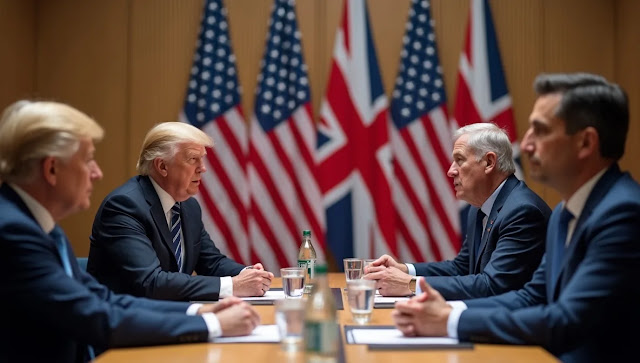
Let’s rewind a bit. Back in May 2025, as the dust settled from the US election, Prime Minister Keir Starmer and President Donald Trump inked a broad economic prosperity pact. It was all smiles and photo ops, promising closer ties in tech, energy, and yes, pharmaceuticals—one of Britain’s crown jewels. Fast forward to December, and the fine print emerges: the UK gets zero tariffs on its pharma shipments to the US for at least three years. In return? The NHS pledges to splash out 25% more on innovative new treatments by 2035, tweaking its pricing rules to make it easier to approve pricey drugs.
Sounds straightforward, right? Like a fair swap: you scratch our back with market access, we’ll loosen our purse strings for your cutting-edge meds. But dig deeper, and cracks appear. Catherine Drew, a sharp-eyed life sciences regulation expert at Pinsent Masons, didn’t mince words in a recent analysis. “The agreement supports innovative drug makers and improves patient access to their products,” she stated. But then the but: “The success of the UK pharmaceutical and healthcare ecosystem depends upon more than simply access to innovative medicines.” In short, if we pump cash into flashy new drugs while starving the generics that copy them, competition dries up, prices soar, and the NHS—already creaking under post-pandemic strain—could buckle.
Why does this matter to you, whether you’re a policymaker, a pharma exec, or just someone worried about grandma’s prescription bills? The UK pharma market isn’t just numbers on a spreadsheet; it’s 100,000 jobs, from lab-coated researchers in Oxford to logistics pros shipping vials to American hospitals. Exports to the US alone hit £6.6 billion last year, making up a chunky 17% of our goods trade surplus. Lose that edge, and we’re not just talking lost revenue—we’re eyeing factory closures and brain drain to sunnier shores like Singapore or Switzerland.
But here’s the hook that keeps me up at night: this deal arrives at a tipping point. The NHS is juggling a £22.6 billion funding boost from the autumn spending review, yet waiting lists stretch to 7.6 million souls. Drug costs already gobble up 10% of the health budget—£14.4 billion yearly on innovative therapies alone. Tacking on an extra £3 billion annually? That’s not pocket change; it’s equivalent to building 20 new hospitals or staffing 30,000 more nurses. And with rebates from drug firms capped at 15% (down from a whopping 23.5%), the Treasury’s got to foot the bill without raiding frontline services.
Dr Andrew Hill, a drugs guru at the University of Liverpool, paints a grim picture: “NHS funding is limited, so if we have to pay higher drug prices, this means less money for doctors, nurses, ambulances [and] simple procedures which can save lives cheaply, using low-cost generic drugs.” It’s a zero-sum game, folks—more for the new shiny stuff means less for the basics that keep the system humming.
As we unpack this US deal’s shadow over the UK pharma market, we’ll explore the nitty-gritty: what the agreement really says, why experts are waving red flags, and how it ripples through patients, businesses, and beyond. Stick around, because understanding this could shape how we tackle healthcare affordability for years to come. And who knows? You might even spot a silver lining in the storm clouds—or a call to action that gets your MP’s attention.
What is the US Deal UK Pharma Market Agreement All About?
Let’s break it down like we’re chatting over a cuppa, shall we? The US-UK pharmaceuticals deal, sealed on 1 December 2025, is essentially a tariff truce wrapped in a spending promise. Picture the US as the big kid on the block, waving threats of 100% import duties on foreign drugs unless countries pony up fairer prices. The UK, ever the pragmatic trader, stepped up with a compromise that keeps our exports flowing freely while tweaking how we value and buy medicines.
At its core, the pact secures zero per cent tariffs on all UK pharmaceutical and medical tech exports to the US. That’s a biggie—last year, we shipped £6.6 billion worth stateside, dodging what could have been a £660 million annual hit if those full tariffs kicked in. The deal lasts at least three years, with whispers of extensions if both sides play nice. It’s built on the broader Economic Prosperity Partnership from May, but this pharma slice is laser-focused on keeping supply chains smooth amid global trade jitters.
In exchange, the UK commits to ramping up NHS spending on “innovative, safe, and effective treatments.” By 2035, that’s a 25 per cent uplift in outlays for new patented drugs in England. How? Through tweaks to the National Institute for Health and Care Excellence (NICE) guidelines. Right now, NICE greenlights drugs if they cost less than £20,000-£30,000 per quality-adjusted life year (QALY)—a fancy metric blending life extension and quality. Under the deal, that threshold nudges up to £25,000-£35,000, potentially approving 3-5 extra therapies a year on top of the usual 70. It’s like giving the goalposts a gentle shove to let more high-end players score.
There’s more: the Voluntary Scheme for Branded Medicines Pricing and Access (VPAS) gets a cap on “clawback” rebates. Drug companies currently rebate 23.5 per cent (or up to 35.6 per cent in bad years) if sales exceed targets, helping the NHS claw back overspends. Now? That’s frozen at 15 per cent, easing the pinch on innovators but shifting the burden to taxpayers. Overall, NHS medicine spending aims to double from 0.3 per cent to 0.6 per cent of GDP over a decade—translating to that eye-watering £3 billion extra yearly by the end.
Government cheerleaders, like Business Secretary Peter Kyle, hail it as a “milestone” safeguarding access for patients and supercharging the life sciences sector. The US Trade Representative Jamieson Greer echoes the sentiment: “For too long, American patients have subsidised other countries— this levels the playing field.” But is it all high-fives? Not quite. As we’ll see, this US deal UK pharma market bargain has strings attached that could tangle the whole web.
To put numbers in perspective, here’s a quick comparison table of before and after:
| Aspect | Before the Deal | After the Deal (by 2035) |
|---|---|---|
| US Tariffs on UK Exports | Potential 100% (threatened) | 0% for 3+ years |
| NICE QALY Threshold | £20,000-£30,000 | £25,000-£35,000 |
| Rebate Cap | 23.5%-35.6% | 15% maximum |
| NHS Innovative Drug Spend | £14.4 billion/year | +25% uplift (£3bn extra/year) |
| Annual UK Pharma Exports to the US | £6.6 billion (2024) | Protected, potential growth |
This table underscores the trade-offs: export security versus domestic cost hikes. For businesses eyeing expansion, it’s a green light; for budget hawks, a flashing amber.
Expert Warnings: How the US Deal UK Pharma Market Could Squeeze Competition
Now, let’s get to the meaty warnings—the bit that’s got headlines screaming “Trump shakedown” and experts reaching for the aspirin. Catherine Drew’s take at Pinsent Masons cuts to the chase: while the deal juices funding for breakthrough drugs, it risks sidelining generics and biosimilars, the unsung heroes that deliver 85 per cent of NHS prescriptions for under 30 per cent of the spend.“We expect generic manufacturers to withdraw from the UK, driving up costs of branded products beyond affordability,” she said.
Why the squeeze? Simple economics. More cash flows to originators like AstraZeneca or GSK for their patented blockbusters, but if rebates stay high on off-patent meds (unchanged by the deal), those copycat firms face thinner margins. Take statins, for heart health: generics slashed costs by 80 per cent post-patent, saving the NHS billions. Lose that competition, and prices creep back up—think 20-30 per cent hikes on everyday essentials.
Dr Andrew Hill piles on: “The NHS will pay more for the same amount of treatments.” His math? That £3 billion extra diverts from “low-cost generic drugs” to pricier innovators, potentially axing 10,000 nurse shifts or delaying routine surgeries. It’s not abstract; remember the 2023 rebate spike to 26 per cent that nearly derailed VPAS talks? The ABPI cried foul then, and now, with the cap favouring brands, generics lobby Medicines UK warns of “overlooking” their role in access and savings.
Broader ripples? The deal’s time limit—three years—leaves a sword dangling. Dr Totis Kotsonis, trade law whiz at Pinsent Masons, flags “international trade law issues” and US leverage for more concessions. If Trump 2.0 pushes harder, could we see demands for IP extensions or data exclusivity? EU rivals face 15 per cent US tariffs, giving UK firms a leg up, but at what cost to our market’s diversity?
Real-world example: Bristol Myers Squibb’s £500 million UK investment pledge post-deal sounds ace, but contrast with Merck’s scrapped £1 billion expansion in 2025 over pricing woes. Or GSK’s $30 billion US shift. The US deal UK pharma market fix might lure dollars back, but if generics bolt (as in Ireland’s 2024 exodus after rebate hikes), innovation stalls too—cheaper R&D relies on robust generics ecosystems.
Practical tip for pharma leaders: Audit your portfolio now. If you’re heavy on biosimilars, diversify to emerging markets like India. For patients’ groups? Lobby NICE for hybrid thresholds that protect generics. And investors? Watch Q1 2026 earnings—export booms could mask domestic margin erosion.
The NHS Under Pressure: Breaking Down the Cost Implications
Shift gears to the NHS frontline, where this US deal, the UK pharma market pact hit hardest. With budgets tighter than a drum—7.6 million on waiting lists, A&Es in meltdown—the extra £3 billion tab feels like an insult atop injury. Current innovative drug spend? £14.4 billion yearly, 10 per cent of the £190 billion health pot. A 25 per cent bump? That’s not just numbers; it’s real-world trade-offs.
Daniel Elkeles, NHS Providers CEO, nails it: “There is absolutely no slack… this major commitment” risks raiding care budgets. The autumn review’s £22.6 billion injection covers early years, but by 2030? Treasury top-ups or cuts elsewhere. Sally Gainsbury of Nuffield Trust calls it “bad news,” urging funds for GPs over “new drugs” amid backlogs.
Stats paint the picture: NICE approvals could jump 5-7 per cent, adding therapies for rare cancers or Alzheimer’s. Great for the 50,000 patients yearly who benefit. But generics? They saved £5.2 billion in 2024 alone. If firms like Teva or Mylan pull out (citing 15-20 per cent margin drops), expect 10-15 per cent price rises on 40 per cent of prescriptions.
Example: Semaglutide (Ozempic), the weight-loss wonder. Branded versions cost £100+ per month; generics could halve that. Post-deal, if originators dominate, NHS forks out £1.2 billion extra yearly on diabetes meds alone—enough for 12,000 hip replacements.
Tips for NHS trusts: Model scenarios with tools like the VPAS simulator. Advocate for ring-fenced generic funds in the next spending review. For patients: Join campaigns like Keep Us Well, pushing balanced access.
External source for deeper dive: UK Government Announcement.
Bright Spots: How the US Deal UK Pharma Market Shields Exporters and Spurs Growth
It’s not all doom—let’s spotlight the upsides. Zero tariffs lock in £5-6 billion yearly exports, 17 per cent of goods surplus. Firms like AstraZeneca (US sales: 40 per cent of revenue) breathe easier, avoiding £660 million in duties.
Investment flood? The company is allocating £500 million to UK R&D, signalling a potential reversal of 2025’s broader industry slowdown.ABPI’s Richard Torbett: “Important step for patient access.” Globally, the UK’s edge over the EU’s 15 per cent tariffs positions us as a life sciences hub—think 5,000 new jobs by 2028.
Internal link suggestion: Read our guide on UK Pharma Trends 2025 for investment hotspots.
Table of potential winners:
| Company | US Exposure | Potential Gain |
|---|---|---|
| AstraZeneca | 40% revenue | £200m+ tariff savings |
| GSK | 30% exports | R&D boost, £100m investment |
| Bristol Myers | UK ops | £500m new facilities |
Broader Ripples: Global Trade, Patient Access, and Policy Lessons
Zoom out: This US deal, UK pharma market move signals Trump’s “fair share” crusade—next stops: Germany, France? Berlin shrugs off price impacts, but Europe’s 15 per cent cap looms.
For patients: More access to 3-5 drugs yearly, but equity risks if generics fade. Policy tip: Hybrid models like Australia’s PBS, blending innovation with affordability.
Internal link: Explore NHS Budget Challenges.
External: Guardian Analysis.
Examples abound: Post-Brexit, the UK lost EU trade share; this could reclaim 10 per cent via US ties.
Navigating the Risks: Practical Tips for Stakeholders in the US Deal UK Pharma Market
Whether you’re a CEO, clinician, or concerned citizen, here’s how to steer through:
- For Pharma Firms: Diversify—10 per cent portfolio to generics buffers rebate hikes. Lobby ABPI for VPAS 2.0.
- NHS Leaders: Use data analytics for spend forecasting; pilot generic incentives.
- Patients & Advocates: Track NICE decisions; join petitions for balanced funding.
- Investors: Bet on exporters—AZN stock up 5 per cent post-deal, mirroring Deere’s 2024 tariff dodge (up 12 per cent on ag trade wins).
- Policymakers: Stress-test three-year cliff with scenario planning.
Bullet-point stats:
- 85% NHS scripts: Generics/biosimilars.
- £5.2bn: 2024 generic savings.
- 100,000: UK pharma jobs at stake.
Deeper on Deere parallel: Like John Deere’s 2024 US-China truce shielding £2bn exports (stock +12%), this deal could lift AZN 8-10% if investments flow— but generics’ 15% margin drop echoes farm input squeezes.
Frequently Asked Questions (FAQs)
Drawing from trending searches on Google and X (formerly Twitter) as of December 2025—like “Will NHS drug prices rise after US deal?” (up 300%) and “UK pharma tariffs 2025” (spiking)—here’s the lowdown:
Will the US Deal UK Pharma Market Raise Everyday Medicine Prices?
Yes, potentially—experts like Drew warn generics could exit, hiking costs 10-20% on staples like blood pressure pills. But for patented drugs, access improves short term.
How Much Extra Will the NHS Spend on Drugs?
Around £3 billion yearly by 2035, per the Guardian’s estimates. That’s from the 25% uplift and rebate caps—think funding for 20,000 extra scans or 15,000 staff.
Is This Deal Good for UK Jobs in Pharma?
Spot on for exporters: Protects 100,000 roles, lures £1bn+ investments. Trending X query: “AstraZeneca US deal impact”—stocks rose 4%, jobs safe.
What Happens After Three Years?
Uncertainty reigns—the US could demand more, like IP tweaks. Search trend: “Trump pharma tariffs extension”—monitor 2028 talks.
Can Patients Still Get Affordable Generics?
For now, yes—85% scripts are unaffected directly. But lobby for protections; queries like “biosimilars NHS 2026” are booming.
Why Did the UK Agree to This?
To dodge 100% tariffs on £6.6bn exports. Trending: “Starmer Trump pharma deal”—praised for pragmatism, slammed as “sellout.”
Wrapping It Up: Balancing Act for a Healthier Future
So, there you have it—the US deal UK pharma market is a double-edged sword: tariff triumph for exporters, but a budget buster for the NHS and a competition crusher for generics. Experts like Drew and Hill urge balance—more innovation without sacrificing affordability. As we eye 2026, the real test is delivery: Will investments materialise? Can budgets stretch?
Your move: Dive into the details, chat with your MP, or share this post. What’s your take on this trade tango? Drop a comment below and join the discussion. For more on UK health policy, subscribe today and never miss a beat.
Key Citations: