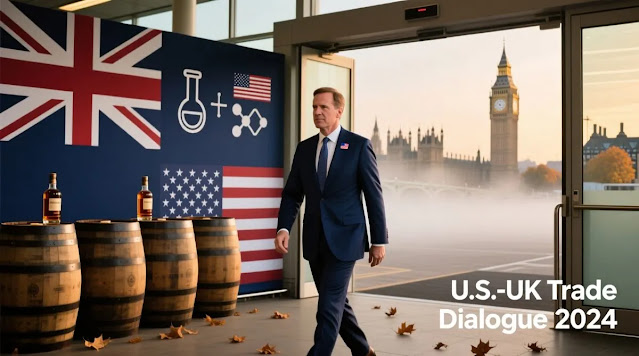
- US Trade Envoy Jamieson Greer’s London Visit: Can he fix the Tariff Tensions?
- Who is Jamieson Greer and why is he in London?
- The Big Two: Scotch Whisky and Pharmaceuticals
-
- The John Deere Connection: A Warning for Farmers
- What’s at Stake for the NHS?
- The Supreme Court Wildcard
- Strategy: How Businesses Should Prepare
- The Outlook for 2026
US Trade Envoy Jamieson Greer’s London Visit: Can he fix the Tariff Tensions?
Imagine you’re sitting in a cozy London pub on a chilly November evening. You’re about to order a proper Scotch whisky, but then you see the price has jumped. Why? Because of trade wars and tariffs happening thousands of miles away. Honestly, this is the reality as we head into late 2025. There’s a high-stakes meeting happening on November 24 that could change the price of everything from your favorite drink to the medicines in the NHS.
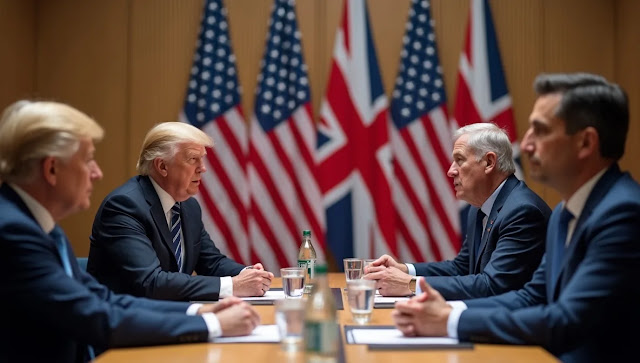
US Trade Representative Jamieson Greer—one of President Trump’s top “trade warriors”—is heading to London. This isn’t just a friendly chat; it’s a pivotal moment for post-Brexit Britain. With the US threatening massive tariffs on British goods, Greer’s visit is basically a “make or break” for the UK’s economy. Let’s dive into why this guy matters and what’s really at stake for the “Special Relationship.”
Who is Jamieson Greer and why is he in London?
To be fair, most people haven’t heard of Jamieson Greer, but in the world of global trade, he’s a massive player. He’s the 20th US Trade Representative, handpicked by Trump to handle the “America First” trade deals. Before this, he was a fighter pilot and a top trade lawyer. He knows how to use both the “stick” and the “carrot.”
Greer’s visit to London comes right after a huge deal between the US and China in October. Trump called that deal “amazing progress,” but it left the UK feeling a bit left out. Now, Greer is here to see if Britain is ready to play ball. The timing is very strategic—he’s arriving just two days before Chancellor Rachel Reeves unveils her Autumn Budget on November 26. It’s a classic power move.
The Big Two: Scotch Whisky and Pharmaceuticals
If you want to understand these trade talks, you only need to look at two things: Whisky and Meds.
- The Scotch Struggle: Scotch whisky isn’t just a drink; it’s a £5.3 billion industry that employs 40,000 people in Scotland. Exports to the US actually grew by 7.6% earlier this year, but Trump’s threat of 100% tariffs could properly ruin the party. Greer is looking for concessions, and the UK is desperate to keep those bottles moving across the Atlantic without a massive tax hit.
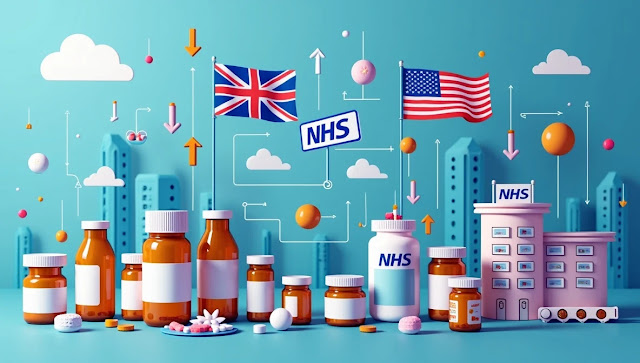
- The Pharma Fight: This is where it gets serious. The UK exported £18.5 billion worth of medicines to the US last year. Trump has threatened a 25% tariff on “unfair” imports. To avoid this, there’s talk of the UK raising the prices the NHS pays for American drugs by 15-25%. It’s a brutal trade-off: pay more for healthcare at home to keep the export business alive.
The John Deere Connection: A Warning for Farmers
You might wonder what a trade deal about whisky has to do with tractors. Well, look at a company like John Deere (DE). In 2025, their stock has been jumping around every time Trump mentions tariffs. Why? Because trade wars make everything more expensive—from the steel used to build tractors to the barley farmers grow for whisky.
When the US-China deal was signed, Deere’s stock actually dipped because it eased costs for US farmers but made things tighter for international exports. If Greer and the UK can’t reach a deal, British farmers might find themselves paying 10% more for their machinery. It’s a chain reaction that hits everyone from the factory floor to the farm.
What’s at Stake for the NHS?
Honestly, the biggest worry for most Brits is the NHS. If Greer demands higher drug prices as part of a trade deal, the NHS budget is going to feel a proper squeeze. There’s a debate raging in Manchester and London: should we “sell out” a bit on healthcare costs to secure a bigger trade deal?
The UK government recently extended a deadline for pharma firms to opt out of a pricing scheme, which is a big hint that a deal is being cooked up. For Greer, it’s a win—he gets better prices for US companies. For the UK, it’s a risky game of balancing the books while trying to stay “best friends” with Washington.
The Supreme Court Wildcard
As Greer sits down for talks in London, everyone is looking at the US Supreme Court. Just a few weeks ago, on November 5, they started hearing a case about whether Trump actually has the power to slap these “emergency” tariffs on everyone.
If the court clips Trump’s wings, it flips the whole script. Greer might lose his biggest “stick,” making him much more likely to offer a fair deal to the UK. But if the court sides with Trump, Greer will have all the leverage in the world. It’s a high-wire act for the UK negotiators.
Strategy: How Businesses Should Prepare
If you’re running a business that trades with the US, you can’t just wait for the headlines. Here’s how the smart players are preparing for the “Greer Effect”:
- Diversify, Diversify, Diversify: Don’t put all your eggs in the American basket. While the US is a huge market, trade with Asia is up 12%. It’s a good time to look at China or India as a backup plan.
- Watch the Labels: For Scotch distillers, it’s about branding. Even with tariffs, premium brands can often survive better than budget ones. If you’re in the industry, focus on the “Heritage” angle to keep customers willing to pay the extra price.
- Lobby Hard: Join groups like the CBI or the SWA. Your voice is much louder when you’re part of a 50,000-signature petition than when you’re complaining on your own.
The Outlook for 2026
While Greer is focused on late 2025, analysts are already looking at 2026. If a “framework” deal is signed in London this November, we could see a full UK-US trade agreement by mid-2026. This would be a massive lifeline for post-Brexit Britain, potentially adding billions to the GDP and stabilizing the pound.
But it all depends on these few days in London. Will Greer bring an olive branch or a heavy tariff stick? Straight up, the “Special Relationship” is about to be put to its biggest test yet.
Conclusion: A Toast to the Future?
Wrapping it up, Jamieson Greer’s London visit is the biggest trade story of the year. From the labs in Cambridge to the distilleries in Speyside, everyone is holding their breath. A deal could mean cheaper exports and a booming economy; no deal could mean a very expensive Christmas for everyone.
What’s your take? Should the UK give in on drug prices to save the whisky industry? Or is the NHS too precious to gamble with? Drop a comment below and let’s keep the conversation flowing—hopefully over a glass of (tariff-free) Scotch.
Frequently Asked Questions (FAQs)
What is Jamieson Greer actually doing in London?
He is there to negotiate a “narrow” trade deal. The main goals are to lower tariffs on British Scotch whisky and pharmaceuticals in exchange for the UK potentially allowing higher prices for US-made drugs in the NHS.
Will Scotch prices go up if there’s no deal?
Properly, yes. Without a deal, tariffs could hit 100%, which would essentially double the price of a bottle in the US and hurt production in Scotland. Most experts expect a 10-20% price hike if Greer leaves London empty-handed.
How does the US-China deal affect the UK?
The US-China deal showed that Trump is willing to negotiate and cut tariffs if the terms are right. It has put pressure on the UK to offer something “amazing” to Greer to get a similar result for British businesses.
Is the John Deere stock a good indicator of trade health?
To be fair, yes. Since Deere relies so much on global agriculture and manufacturing, its stock price often reflects the “temperature” of global trade wars. If a US-UK deal is reached, analysts expect Deere’s stock to stabilize.
When will we see a full US-UK trade deal?
If Greer’s November visit goes well, a full agreement could be ready by mid-2026. For now, they are just trying to fix the most urgent problems like whisky and pharma.
Note: This is for educational purposes only. Not financial advice. We are not SEBI-registered.