Dollar Hits 3-Month High as Fed Pauses Rate Cuts
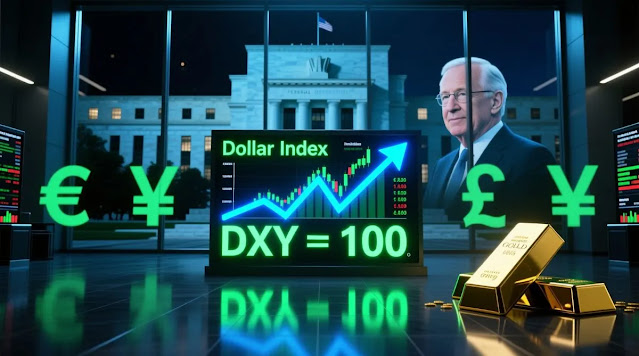
Dollar Hits Three-Month High on Reduced Rate Cut Odds – What Does It Mean?
Key Takeaways:
-
Fed Holds Off on Cuts: Recent Fed communications (including Powell’s comments) have lowered odds of another interest-rate cut this year, boosting the dollarhellenicshippingnews.comfederalreserve.gov.
-
Dollar Index Peaks: The US Dollar Index (DXY) climbed near 100, its highest since early August, as traders “pushed back on expectations” of quick Fed easing.
-
Currency & Commodity Impact: A stronger dollar has weakened other major currencies (e.g., the euro to ~$1.15) and pressured commodities like gold.
-
Safe-Haven Demand: Amid market uncertainty, investors are treating the USD as a safe-haven. Treasury yields rose and stock markets paused as the Fed’s hesitance led traders to seek dollar assets.
-
Outlook and Data: With US economic data delayed by a government shutdown, markets will watch upcoming private reports closely. Future Fed decisions now hinge on new jobs and inflation readings, making the dollar’s path uncertain ahead.
Introduction: Why Is the Dollar Surging Now?
Imagine watching the forex markets late one afternoon when the greenback suddenly climbs. In early November 2025, the US dollar did just that – pushing higher than it has been in three months. This sharp rise in the US Dollar Index surprised many and sent ripples through stocks, gold, and other currencies. What happened? In simple terms, new signals from the Federal Reserve and falling expectations for future rate cuts have made the dollar more attractive.
For months, investors were betting that the Fed would keep lowering interest rates to help the economy. But as the Fed cut rates in late October, Fed Chair Jerome Powell and other officials hinted that this might be the last cut for a while. With inflation still above target and the economy cooling, markets realized that more rate cuts are not “a foregone conclusion,” Reuters.com. In other words, the chance (or odds) of another cut in December has sharply reduced. This change in expectations lifted the dollar’s value.
The result: the dollar index hit the highest level since August. Major peers like the euro and pound fell as the dollar climbed. Gold, which often falls when the dollar strengthens, slid as well. reuters.com In this fast-moving financial story, it helps to break down why the dollar rose and what it means:
-
The Fed’s latest meeting ended with a 25 basis point cut (to a 3.75–4.00% range) but with no guarantee of more. Powell said the Fed will “carefully assess incoming data” before any new move. Markets took that to mean pause for now.
-
Traders used Fed funds futures (via tools like CME FedWatch) to price in the Fed’s moves. This week, odds for a December cut plunged from about 90% down to around 70% (and even 68% by Nov 3).
-
With rates staying higher for longer, foreigners get better returns on US bonds and loans. They buy more dollars to invest, pushing its price up against other currencies.
-
Meanwhile, a US government shutdown has left key economic data late or missing. Without fresh jobs or inflation reports, even Fed officials are divided on next steps. reuters.comunn.ua This uncertainty also nudges investors into the safety of the dollar.
In the next sections, we’ll unpack these factors in detail. You’ll learn exactly how Fed policy, market psychology, and global economics worked together to send the dollar higher. We'll also explain what a stronger dollar means for commodities, stocks, and your investments, and suggest practical steps investors might consider. Finally, we end with a Q&A addressing the top questions trending right now.
How Fed Signals Lifted the Dollar
The most important trigger for the dollar’s move was what Fed Chair Jerome Powell and other central bankers said after the October 28–29 meeting. The Fed did cut rates by 0.25% as expected, but Powell left the door open. In his press conference, he said a December cut was “not a foregone conclusion.” Simply put, he warned that further cuts would depend on new data.
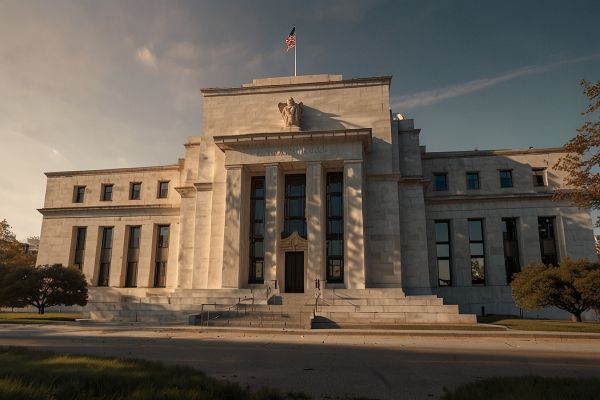
The Fed’s official statement (Oct 29, 2025) lowered the federal funds rate to 3.75–4.00%federalreserve (gov, but it stressed that future moves will be data-driven and cautious. In fact, two Fed officials dissented: Governor Stephen Miran wanted a bigger cut, while President Jeffrey Schmid wanted no cut at all. This public split made traders rethink their bets.
For context: before the meeting, markets were pricing near a 94% chance of another cut in December. After Powell’s words, the rate fell sharply, around 70% or even as low as 68% by early November. These percentages come from futures markets (CME FedWatch). They signal that investors see the Fed leaning toward a pause.
Why does that strengthen the dollar? When rate cuts are less likely, US interest rates stay higher for longer than abroad. A higher US rate means foreign investors can earn more by holding US bonds or dollar deposits. They must buy dollars to do that. As one analysis puts it, Fed commentary “reduced the likelihood of an imminent rate cut, strengthening the dollar through higher expected yields.” In plain language, investors move money into dollar assets, driving their price up.
Another way to see it: think of currency demand like any other good. When US rates are higher relative to others, the demand for dollars rises (and vice versa). Fed decisions directly affect that balance. Since Powell hinted that more cuts are off the table for now, everyone started paying more for dollars.
Key Facts: On Monday, Nov 3 (Fed post-meeting), the euro fell to $1.1505 – its weakest level against the dollar since Aug 1. The pound and other currencies also weakened. Even the USD’s rise vs safe-havens like the yen and franc signals its strength. (For example, the yen dipped near an 8½-month low around ¥154.1 per $.)
Reduced Rate-Cut Odds: What the Markets Are Saying
Investors show their beliefs in data. The CME FedWatch tool uses futures to give a probability of Fed moves. After the latest Fed meeting:
-
Pre-Fed meeting: ~90% odds of a Dec 2025 cut.
-
Post-Fed meeting: dropped to ~70% (some sources say about 68%)
This plunge in probability is huge, reflecting renewed caution.
Traders also cite Fed officials’ public disagreements. Some Fed governors recently argued for deeper cuts, while others warned against more easing. For example, Fed Gov. Miran said deeper cuts could be needed due to weak growth, whereas Chicago Fed President Austan Goolsbee said he was uneasy with cuts while inflation was higher. This “debate” among Fed members is rare to see so openly, and it “justifies an even bigger re-rating of December cut odds,” according to one strategistreuters.comreuters.com. In short, mixed signals mean confusion for markets, which tends to favor the dollar as a constant.
Another market clue: safe-haven flows. When uncertainty rises, traders often pile into the dollar (and US bonds) because they are seen as relatively secure. In early November, global markets were jittery – partly due to the Fed’s stance and data issues. As one report notes, the market sentiment turned darker with stocks falling and bonds rallying, boosting the dollar and yen (two safe havens). This "haven bid" helps explain the greenback’s strength beyond just rates.
Fact: On Nov 4, traders moved US 10-year Treasury yields up to around 4.06%r. Higher yields attract foreign capital. The same report said the dollar was strengthening against “a basket of major currencies.” In numerical terms, the US Dollar Index (DXY) hit about 99.89 – its highest point since Aug 1. Over the last six months, DXY has been trading in a narrow 96–100 range; now it is pushing the top of that range.
Impact on Other Currencies and Assets
A stronger dollar doesn’t act alone – it affects many markets:
-
Euro & Pound: The euro slid to roughly $1.1513unn.ua (weakest since early August). The pound fell to about $1.313, near its lowest in months. When the dollar is strong, the euro and sterling (which are part of DXY) move inversely. This change can make European and UK exports cheaper in dollars, but it also squeezes their import costs.
-
Yen: The dollar–yen rate climbed to around ¥154.1unn.ua, near its weakest in over 8 months. The yen was already under pressure from BOJ policy, but the rate gap (US rates much higher than Japan’s) pushed it lower. Japan’s authorities have even hinted at intervening if the yen weakens too much.
-
Emerging Markets: Many emerging-market currencies often slide when the dollar rises, because dollar debt becomes costlier for them. Countries like Turkey, Argentina, and others with dollar-denominated debt can see extra stress. For example, if emerging central banks were eyeing easing, a strong dollar might make them wait or even tighten to defend their currency.
-
Commodities – Gold: Gold is priced in dollars, so a stronger USD makes gold more expensive in other currencies. Not surprisingly, gold prices fell as the dollar surged. On Nov 4, gold dropped about 1.1% to around $3,960 an ounce. Analysts directly tied the move to the dollar’s surge and fading hopes of a Fed rate cut: “The dollar hitting new highs reflects growing doubts about a December rate cut,” noted one metals trader.
-
Other Commodities: Oil and other commodities can also be pressured by a strong dollar. For oil producers, a strong dollar often cools demand (since consumers pay more in their local currency), which can weigh on prices. Industrial metals and agricultural prices may similarly soften if the dollar remains high.
-
Stock Market: Generally, higher rates and a stronger dollar can pressure stock markets – especially growth and tech stocks. Indeed, in the days after the Fed meeting, tech giants like Nvidia, Tesla, and Amazon saw sell-offs as “Fed rate cut hopes fade”timesofindia.indiatimes.com. The Reuters report noted that the S&P 500, which had rallied ahead of the Fed, ended flat (giving up gains) as the dollar strengthened and yields rose. In short, a higher dollar can shrink profit margins for US multinationals (overseas revenue is worth less in dollars) and slow global economic growth, both of which can cool stocks.
Bullet Points – Key Market Effects of Dollar Strength:
-
Higher US Treasury yields: Foreign investors demand dollars, pushing bond yields up (making borrowing costlier).
-
Weaker foreign currencies: Euro, yen, pound, and many emerging currencies decline. A weaker euro often leads to cheaper EU exports but pricier imports.
-
Commodity price drops: Gold and other commodities priced in USD (like oil and copper) often fall. Gold is already ~9% below its recent highs, despite a strong run earlier this year. reuters.com
-
Exporters vs Importers: US exporters (e.g., farmers, manufacturers) may struggle abroad, while importers and consumers benefit from cheaper foreign goods. Travel overseas becomes cheaper for Americans, for example.
-
Portfolio shifts: Investors might favor US dollar bonds or cash over foreign assets. Some may hedge currency exposure using futures or funds.
What This Means for Investors and Businesses
If you’re an investor or business person, here are some practical takeaways:
-
Currency Exposures: A rising dollar can eat into profits for US companies with lots of overseas sales. Conversely, foreign companies exporting to the US may benefit. Check your portfolio: do you hold foreign stocks or bonds? A strong dollar effectively reduces their returns when converted back to USD. Consider hedging currency risk if possible (e.g., currency-hedged funds, options, or futures)
-
Interest Rates: Though the Fed signaled a pause, rates are still historically high (3.75–4%). Higher yields may continue if the dollar stays strong. This can affect mortgages, loans, and savings rates. Savers might see slightly higher interest, but borrowing costs (for businesses and consumers) could remain elevated. Plan accordingly.
-
Commodities and Inflation: For US consumers, a strong dollar often helps lower import prices (which can ease inflation). However, if domestic growth slows too much, there could be other pressures. Keep an eye on prices of gasoline, electronics, and other imported goods – they might stabilize or fall with the dollar’s strength.
-
Safe-Haven Assets: In times of uncertainty, gold and even bitcoin sometimes lose appeal as a safe haven if the dollar is rallying. As noted, gold pulled back over 9% from recent highs this Reuters.com. If you hold gold expecting inflation hedging, remember that a high dollar can counteract those gains.
-
Diversification: Now might be a good time to check asset mix. Some investors use this opportunity to diversify into non-dollar assets (like real estate or funds in other currencies) or to ensure that not all holdings move together.
-
Watch the Fed and Data: The story isn’t over. The Fed emphasized it will depend on data, and big reports (jobs, CPI) are coming once the shutdown ends. These could swing the dollar either way. For instance, surprisingly strong US data might push the dollar even higher; weak data could ease it. Stay updated.
-
Stay Calm on Markets: Remember, currency swings are part of normal financial markets. A one-day move to a three-month high, while notable, isn’t a guaranteed trend. Market analysts often caution that these moves can reverse if conditions change. Avoid panic trading; instead, use strategic adjustments.
For example, if you recently bet on a weaker dollar (via funds or options), those positions likely lost value as the dollar strengthened. Consider if those bets still make sense given the Fed’s new outlook. On the other hand, if you favored dollar assets (like U.S. bonds), you’ve seen gains. It’s wise to rebalance: too much one-way bet can be risky if the market swings.
Internal Resources: We’ve analyzed related topics, like our posts on [Fed policy changes] and [global currency trends] (internal links), which discuss how interest rates and economic data usually influence the dollar and markets. Reviewing those can provide more context and tips on managing money in changing economic times.
Conclusion
The recent surge of the dollar is a clear signal: markets are taking the Fed at its word. The cues given by Jerome Powell and other officials have “scaled back expectations” for easy moneyreuters.comhellenicshippingnews.com, and the dollar is reacting accordingly. A three-month high in the dollar reflects both these policy shifts and broader uncertainty (from government shutdowns to overseas economies).
In summary:
-
Fed’s Actions: Powell’s cautious tone means fewer rate cuts are expected soon. The Fed cut rates last week, but hinted that it was likely the last move for now.
-
Markets Respond: Traders quickly revised their bets (cut odds fell from ~90% to ~70%), sending the dollar index to nearly 100. Other currencies slid, gold dipped, and bond yields rose as capital flowed into dollar assets.
-
Watch for Data: The ultimate driver will be incoming data. Key reports like jobs and inflation (when available) will determine if this dollar strength lasts or reverses. For now, the path is a bit uncertain, so expect volatility in both currency and stock markets.
What Investors Should Do: Keep a balanced perspective. A strong dollar can tighten global financial conditions, but it also eases some inflation. Use this time to review your investment strategy: consider currency hedges, diversify internationally, or lock in U.S. yields if appropriate. Always avoid knee-jerk moves. As one strategist warned, the dollar’s advance might not be guaranteed to continue, so be prepared for changes.
Finally, stay informed. Follow updates from credible sources (like Fed releases and economic data) and review expert analyses. For those who like actionable guides, consider our [investor FAQ below] and subscribe to our newsletter for the latest insights.
Call to Action: For more expert market analysis and tips, sign up for our newsletter or read our other articles on Fed policy and currency trends. Also, if you’re heading out for a break from financial news, remember to stay active in sports fashion – check out the Nike Official Website – Shop the Latest Collection for the newest athletic gear.
FAQs: Trending Questions About the Dollar’s Rally
Q: Why did the US dollar hit a three-month high?
A: In short, because markets now expect fewer Fed rate cuts. Fed officials hinted that last week’s 25 bp cut might be the final one for now, which means US interest rates could stay higher relative to other countries. Investors and foreign banks buy dollars to earn those higher rates, pushing the dollar’s value up. In addition, uncertainty (like a US government shutdown delaying data) has investors treating the dollar as a safe-haven currency. The combination of these factors drove the dollar index to its strongest level in months.
Q: Will the Fed cut rates in December or keep them steady?
A: The odds have shifted. Before, markets were almost certain (90% odds) of a cut in December. Now, futures prices suggest only about a 70% chance (some estimates around 68%unn.ua). The Fed’s own statement said it would “carefully assess incoming data” before federalreserve.gov. Thus, whether rates move again depends on upcoming economic reports. If key data (like inflation or payrolls) show the economy slowing or inflation falling, a December cut could still happen. But if data stay strong or the Fed remains cautious, they might pause.
Q: How does a strong dollar affect everyday life and the economy?
A: A stronger dollar has mixed impacts. On the plus side, imported goods become cheaper. So if you buy products from overseas (like electronics or clothes) or book a vacation abroad, your dollar goes further. This can help keep US inflation lower. However, it makes US exports more expensive for other countries, which can hurt American manufacturers and farmers selling abroad. Domestically, a high dollar can dampen some inflation pressures. In financial markets, a strong dollar usually means US bond yields rise (good for savers, harder for borrowers) and foreign investments may underperform.
Q: What does this mean for gold and other commodities?
A: Gold typically moves inversely to the dollar. As the dollar rises, gold usually falls. Recently, gold fell about 1.1% when the dollar hit a three-month high. Other commodities like oil and copper are also often weaker with a strong dollar, because a stronger dollar can slow global demand and make commodities more expensive in other currencies. So if you hold commodities, watch their prices – they may dip as long as the dollar stays strong.
Q: Is the dollar likely to keep rising, or could it drop soon?
A: No one can predict with certainty, but many analysts caution that a continued rally is not guaranteed. The current rise is partly a short-term reaction to Fed news. If future economic data are weak (forcing the Fed to cut rates more than expected) or if global risk sentiment improves, the dollar could ease back. As one strategist noted, the dollar’s move “still looks corrective in nature” after prior declines. It’s wise to watch key levels: breaking above 100 on the Dollar Index could signal more strength, while falling below 99 might indicate a retreat.
Q: How can investors protect themselves or profit from this?
A: Strategies depend on your situation. Currency-hedged investments (like hedged international funds) can protect against the dollar moves strongly dollar. Some investors buy dollar call options or currency-hedged ETFs to bet on or insure against moves. Others diversify into assets that typically move opposite the dollar (e.g., commodities or non-US stocks) to balance risk. Always avoid all-in bets. Instead, adjust gradually and use hedging tools if currency exposure is a concern.
Q: Will this affect emerging markets?
A: Yes, often a strong dollar stresses emerging markets. Many EM countries have debt in dollars; as the dollar rises, their debt costs more in local currency. Their central banks might have to raise rates to defend their currency. Weaker EM currencies can also slow their growth. So expect some EM markets to struggle until the dollar stabilizes.
Q: How will this influence U.S. stock markets?
A: Equity markets can feel pressure. Growth stocks (like tech) often suffer when rates rise, and a high dollar can pinch the profits of exporters. We saw some sell-off in US tech stocks when the dollar rallied. However, value-oriented sectors (banks, consumer staples) might hold up better or even benefit from higher rates. The overall stock market reaction will hinge on how the economy does: if higher rates slow growth too much, stock valuations could be challenged.
Q: Should I worry about personal investments or savings?
A: A stronger dollar can be a headwind if you’re invested in foreign assets without a hedge. For your savings, rising rates mean banks might eventually offer better interest on accounts (though it moves slowly). If you plan a trip abroad or import goods, your money goes further. Overall, stay diversified and consider talking to a financial advisor for personalized advice.
Q: What’s next for the dollar and markets?
A: Watch upcoming US economic data (especially employment and inflation) and any Fed comments. These will likely determine whether the dollar’s rise holds or reverses. Also monitor global events: geopolitical risks or other central banks’ moves can quickly change the picture. In the meantime, keep a long-term view. The dollar’s near-term strength reflects current expectations, but markets are always adjusting. Stay informed and use this period to review your investment plan rather than chasing quick gains.


Comments
Post a Comment