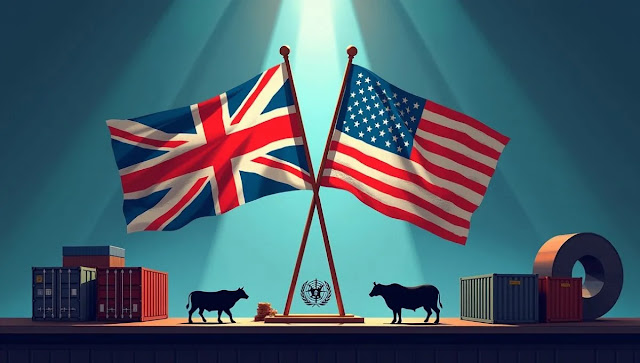
- The UK-US Trade Tangle: Why the WTO is Suddenly Grilling Britain
- The MFN Headache: Why Everyone is Annoyed
- Farmers vs. The Import Tsunami
- The Winners: Steel and Autos
- The UK-US Trade Deal: 2025 Scorecard
-
- The John Deere Ripple Effect
- Brexit’s Unfinished Business
- Practical Advice for Businesses in the Fog
-
The UK-US Trade Tangle: Why the WTO is Suddenly Grilling Britain
Honestly, if you’re sitting in London right now in late October 2025, scrolling through headlines about a “historic” trade deal with the US, you might think we’ve finally cracked it. Lower tariffs on cars, steel flowing across the Atlantic, and maybe even some cheaper American snacks on the shelves. Sounds like a win, right? But look, there’s a proper storm brewing over in Geneva. The World Trade Organization (WTO) is turning its spotlight on us, and they aren’t exactly cheering.
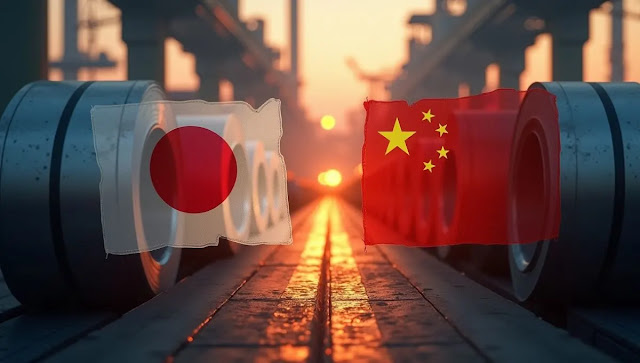
It’s the UK’s first-ever independent trade policy review since we left the EU, and instead of a victory lap, it’s feeling a bit like a trip to the headmaster’s office. Why? Because other countries like Japan and China are claiming we’ve handed Uncle Sam a “golden ticket” that breaks the global rules. This isn’t just about a few containers of beef; it’s about whether Britain is still playing by the global rulebook or just making up its own as it goes along.
The MFN Headache: Why Everyone is Annoyed
Straight up, the WTO has one golden rule that everyone has to follow: the “Most-Favoured-Nation” (MFN) clause. It basically says if you give a special deal to one friend, you have to give it to everyone else, too. But the UK-US “Economic Prosperity Deal” signed back in May has some very specific favors for American beef and ethanol that nobody else is getting.
Japan was the first to raise an eyebrow, asking, “Wait, if the US gets zero-tariff beef, why don’t we? China—and even Russia—have begun exploring it as well. To be fair, if the UK doesn’t extend these same deals to everyone else, we could be looking at some nasty trade disputes. And trust me, nobody wants a trade war when the global economy is already this twitchy. The MFN rule is the glue that holds global trade together; if the UK starts ignoring it, the whole system could start to crumble.
Farmers vs. The Import Tsunami
If you’re a farmer in the Yorkshire Dales, this deal probably keeps you up at night. The US has been granted a quota of 50,000 tonnes of beef at 0% tariff. Now, American beef is often 20% cheaper because of its massive scale and different production standards—think hormone-treated cattle.
British farmers are properly worried that they’ll be undercut by these cheaper imports. It’s not just about the money; it’s about the standards we’ve spent years building. On X (formerly Twitter), activists like @LizWebsterSBF are already calling this a “surrender.” Many feel that the UK is sacrificing its high-quality agricultural sector just to get a win in the manufacturing world. For a local farmer, it’s impossible to compete with the sheer volume of a Texas ranch.
The Winners: Steel and Autos
To be fair, it’s not all gloom and doom. If you work in a steel forge in Sheffield or an assembly line for Jaguar Land Rover, this deal is a proper lifeline. Before this pact, we were staring down the barrel of a 25% tariff from the US under their “America First” policies. This deal slashes that to almost zero.
- Steel Boost: An estimated £1.2 billion increase in exports for UK firms.
- Car Manufacturing: Assembly costs could drop by 15% thanks to cheaper US-made parts and smoother export routes.
But here is the catch—if the WTO rules that our deal is “illegal” or breaks MFN rules, those tariffs could come roaring back overnight. It’s like building a house on shaky ground. You’re enjoying the view now, but one ruling from Geneva could bring the whole thing crashing down.
The UK-US Trade Deal: 2025 Scorecard
|
Sector |
The Win (Benefit) |
The Risk (Scrutiny) |
|---|---|---|
|
Steel & Autos |
25% Tariffs cut to near 0%. |
The deal could be ruled “illegal” by the WTO. |
|
UK Farmers |
Cheaper ethanol/biofuel access. |
50k tons of US beef hitting the local market. |
|
John Deere |
Lower costs for exporting ag-tech. |
5-7% stock volatility due to uncertainty. |
|
Consumer Prices |
Potential for cheaper US imports. |
Retaliatory tariffs could hike other costs. |
The John Deere Ripple Effect
Look, trade deals affect the weirdest things—like tractor stocks. John Deere (DE) is a classic example of how global trade winds can change your balance sheet. In early 2025, when US tariffs were high, Deere’s manufacturing costs spiked, and the stock fell 12%. This UK-US deal actually helped them recover because it made ag-tech trade much easier between the two nations.
But now that the WTO is sniffing around, investors are getting nervous again. If the deal fails, Deere’s costs go back up, and UK farmers might find it even harder to buy new, smart equipment. It shows that in 2025, no company is an island. A decision made in a boardroom in Illinois is directly tied to a trade meeting in Geneva and a farm in the Midlands.
Brexit’s Unfinished Business
We also have to be honest about the Brexit angle here. The UK is trying to prove it can fly solo and cut “pragmatic” deals without the red tape of Brussels. But in doing so, we might be breaching the EU-UK Trade and Cooperation Agreement (TCA). Critics, including John Clarke, believe this deal damages prospects for a “reset” with the EU. If we get too close to the US on standards, the wall between us and our biggest trading partner (Europe) only gets higher.
Practical Advice for Businesses in the Fog
If you’re running a business that exports to the US, you can’t just sit and wait for the news. You need to be proactive:
- Audit Your Margins: Assume a 10% tariff hike could happen if a WTO dispute kicks off. Can your business survive that hit?
- Diversify Your Markets: The US is great, but don’t ignore the CPTPP countries. Since the UK joined in 2023, these nations offer a much more stable environment under WTO rules.
- Focus on “British Quality”: You can’t beat the US on price, so you have to beat them on quality. Certify your products as premium, grass-fed, or sustainable. People in 2025 are willing to pay a 25% premium for quality they trust.
Final Thoughts: Is the WTO Dying?
Trade Minister Chris Bryant warned that the WTO is facing an “existential moment.” If big players like the US and UK keep cutting “side deals” and ignoring the global rules, the whole system might just fall apart. Honestly, that would be a nightmare for a small island nation like us that depends on trade. If the rule of law in trade disappears, it becomes a “might makes right” world, and that rarely ends well for the smaller players.
As we head into the final months of 2025, we need to decide—do we want to be the world’s most flexible trader, or the one that follows the rules?
What do you reckon? Would you take cheaper beef if it meant hurting our local farmers, or should we stick to the global rules at all costs? Let’s have a proper chat in the comments!
FAQ: The UK-US Trade Dispute (2025 Edition)
Is hormone-beef actually coming to my supermarket?
To be fair, the government says “No,” but the deal creates a pathway for it through specific quotas. Critics are properly worried that once the door is open, it’s impossible to close, and UK standards will slowly erode to match the US.
Why is Japan leading the charge against the UK?
Because Japan also exports beef and tech. They feel as if the US gets a “zero-tariff” deal, they are being treated like second-class citizens at the WTO. It’s all about fairness and equal access to the UK market.
When will we know the final WTO verdict?
These reviews take time. We might not get a formal “dispute” ruling until early 2026, but the “scrutiny” phase happening right now in October 2025 is already making markets very twitchy.
Will this impact my grocery bill?
It could. If US imports flood in, prices for beef and ethanol-based products might drop temporarily. But if other countries retaliate and slap tariffs on our exports, your overall cost of living might actually go up due to trade war ripples.
Note: This is for educational purposes only. Not financial advice. We are not SEBI-registered.