That Day Everything Went South: WPP and the FTSE 100 Mess
always reckoned that checking your portfolio first thing in the morning is a bit like looking at your ex’s Instagram. You know there’s a good chance it’s going to end badly. But you just can’t help yourself, can you? On 30 October 2025, plenty of UK investors probably wished they’d just stayed in bed with a proper fry-up instead. I remember scrolling through the news and seeing the FTSE 100 looking like it had tripped over its own feet. The culprit? WPP. The world’s biggest ad giant didn’t just stumble. It basically fell off a cliff. And it dragged the rest of the UK’s top index down with it. Proper nightmare stuff.
If you’re sitting there with a cuppa, wondering why some “Mad Men” in suits matter to you, stay with me. This wasn’t just a bad day for a CEO. It was a massive shift. It changed how we look at the British stock market here in 2026.
The Morning the Sky Fell In
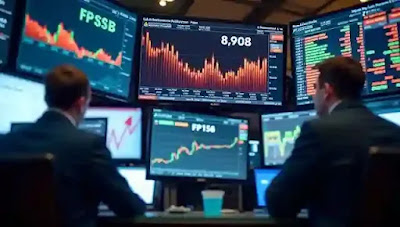
Look, let’s get the brutal bit out of the way first. WPP’s shares didn’t just dip. They cratered by 14.5% in a single session. To put that in perspective, imagine waking up and finding your house is suddenly worth 15% less because someone painted a weird mural on the front. That’s billions of pounds in market value just… poof. Gone. Into thin air.
The FTSE 100 is supposed to be this steady, boring collection of big companies. But it ended up closing down 0.4%. Now, 0.4% might not sound like much. But when you’re talking about the entire British economy’s heavyweights, it’s a massive headache. It snapped a winning streak that had everyone feeling a bit too smug, to be fair.
The “Unacceptable” Truth
Straight up, the numbers WPP released that morning were grim. Their Q3 revenue was £3.259 billion. That was down 8.4% compared to the year before. If you strip out the “pass-through” costs, the drop was even nastier—about 11.1%.
The new boss, Cindy Rose, didn’t try to sugarcoat it either. She stood up and called the performance “unacceptable.” You’ve got to respect the honesty, even if it sent the share price into a tailspin. She immediately called for a massive “strategic review.” In the corporate world, that’s just a polite way of saying they’re going to sack people and sell off the office furniture to keep the lights on. Word on the street was that nearly 5,000 jobs were suddenly on the line.
Why Did Everyone Start Selling?
It wasn’t just one thing. It was a proper “perfect storm.”
- Client Ghosting: Big brands like Ford and Nestlé started looking elsewhere. When the big fish stop spending, the pond dries up fast.
- The US Election Jitters: Brands in America (WPP’s biggest market) got stage fright. They stopped spending on fancy ads because they didn’t know which way the political wind was blowing.
- The AI Elephant: Honestly, why pay an agency millions for a slogan when a lad with an AI tool can do it for the price of a Netflix sub? WPP is a massive tanker trying to turn in a tiny canal. It’s taking too long.

The “John Deere” Connection
To be fair, we’ve seen this movie before. Remember back in 2023 when John Deere saw their shares sink by 20%? Even then, plenty of people felt like the world was coming to an end. Farmers weren’t buying tractors because interest rates were high. It’s the same vibe here. Advertising is a “cyclical” industry. When the economy feels shaky, the marketing budget is the first thing to get chopped. WPP is basically the canary in the coal mine. If they’re hurting, it means everyone else is starting to feel the pinch too.
Is the FTSE 100 Still a Safe Bet?
This is the big question I get asked all the time over a pint. If one company can rattle the whole index, is your money safe?
The FTSE 100 is heavy on mining, banks, and oil. Advertising only makes up a small slice—about 0.8%. But the reason the WPP sink felt so heavy was psychological. It made people look at their other stocks and panic. That day, mining giants like Rio Tinto dropped by over 1%. Even the big banks felt a bit wobbly.
However, it wasn’t all doom and gloom. While WPP was sinking, Shell actually went up a bit because oil prices stayed steady. This is why your grandad always told you to diversify. If you were 100% in WPP, you were crying. If you had a bit of everything, it was just a bumpy Tuesday.
Lessons for the “Casual” Investor
If you’re looking at this from 2026, there are some proper “Human-First” lessons we can take away:
- Cheap isn’t always a bargain: WPP looked “cheap” for ages. Its Price-to-Earnings (P/E) ratio was down to 6.5x. But a stock can be cheap for a very good reason—because the business is shrinking.
- Dividends aren’t a promise: WPP used to pay out a lovely 5% dividend. But when the revenue disappears, the dividend is the first thing to get chopped. Never marry a stock just for the payout.
- Watch the “Rotation”: On the day WPP crashed, money started flowing into “defensive” stocks like National Grid and AstraZeneca. When things get scary, people move their money to stuff we actually need. Like electricity and medicine. Not flashy billboards.
The Human Side of the Crash
We talk about percentages and “billings,” but let’s not forget the people. Thousands of creative minds spent the end of 2025 wondering if they’d have a job by Christmas. These are the folks making the TikTok ads you actually like. It’s a reminder that the stock market isn’t just a game of Green and Red numbers. It’s people’s lives and livelihoods.
Clients like Unilever were also in a tough spot. They need WPP’s muscle to sell soap and mayo. But if WPP is distracted by a massive internal mess, the service suffers. It’s a messy web, and we’re still seeing the tangles in 2026.
How to Play It Now
Properly speaking, don’t let the “WPP Sink” of late 2025 scare you off the UK market entirely. The FTSE 100 has actually been quite resilient in the long run.
If you want to protect yourself:
- Pound-Cost Averaging: Don’t dump all your cash in at once. Put a little bit in every month.
- Look Beyond the UK: Even if you love the FTSE, make sure you’ve got some exposure to global ETFs. If London is having a bad day, maybe New York or Tokyo is having a blinder.
- Stay Calm: The market loves to overreact. A 14.5% drop is huge, but often the bounce-back happens quickly once the panic subsides.
Final Thoughts
Look, WPP’s nightmare was a proper wake-up call. It showed us that even “untouchable” giants can get punched in the mouth. They have to adapt to AI and new habits. But for us regular folk, it’s just another chapter in the big book of investing.
The FTSE 100 will keep ticking along. There will be more “sinks” and more “rallies.” The trick is to keep your head. Keep your tea warm. And remember that a bad day for WPP doesn’t have to be a bad decade for your savings.
Honestly, the best thing you can do is keep learning. If you found this helpful, drop a comment or share it with a mate who’s always checking their trading app. Let’s navigate these choppy waters together. Stay safe out there. And keep an eye on those charts—but maybe don’t check them every single morning.
People Also Ask (The Real Talk)
Why did WPP shares tank so hard on that day?
Honestly, it was a bit of a nightmare. They missed their revenue targets in Q3 2025, with a drop of over 8%. Plus, they slashed their outlook for the whole year. When the boss calls the performance “unacceptable” and starts talking about a “strategic review,” investors usually head for the exits pretty fast. It was a proper confidence shaker.
How much did the FTSE 100 actually fall because of WPP?
Look, WPP is a big player, but it’s not the whole game. Their 14.5% plunge dragged the FTSE 100 down by about 0.4% that day. It might not sound like a world-ending number, but it was enough to snap a really good winning streak and make everyone feel a bit jittery about the UK market.
Is WPP a good buy in 2026 after all that drama?
To be fair, it depends on how much of a gambler you are. At a P/E ratio of 6.5x, it looks dirt cheap. But remember, cheap can stay cheap if the company doesn’t fix its problems. If you’re looking for a bargain, keep a close eye on how their AI transition and job cuts are going before you go all in.
What does “cyclical sector” actually mean for my stocks?
Straight up, it just means industries that follow the economy’s ups and downs. Advertising is a classic example. When people have money and are spending, companies buy loads of ads. When things get tight, those ad budgets are the first thing to get the chop. That’s why WPP’s sink felt like such a warning sign for the rest of the market.
Should I be worried about my FTSE 100 index tracker?
Don’t panic. The FTSE 100 is a tough old beast. Even when one giant like WPP stumbles, you’ve got others like Shell or AstraZeneca that might be having a blinder. The best move is usually to stay diversified and not let one bad Tuesday ruin your long-term plan.
Note: This is for educational purposes only. Not financial advice. We are not SEBI-registered.