The Great Financial Reset: Why National Interest is Overruling the Old Rulebook
Honestly, most of us grew up in a world where there was a “right” way for countries to behave financially. You followed the global rules, you used the US Dollar, and you respected the sanctions set by the West. But look, if you’ve been paying attention to the recent moves by Japan and the shifts in the Middle East, you’ll realize that those rules are being rewritten in real-time. Straight up, we are entering an era of “Financial Realism” where countries are picking their own survival over global loyalty.
The Japan-Russia Signal: A Crack in the System
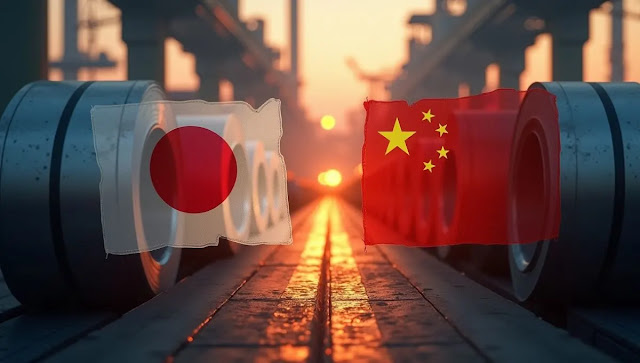
To be fair, the biggest shock recently wasn’t a war move, but a trade move. Japan, a key ally of the West, decided to start taking oil from Russia again. Now, look, this isn’t just about fuel. It’s a massive signal that the “Sanction Shield” is cracking. For decades, the West used financial bans as a way to control global events. But when a major economy like Japan says, “Actually, we need this energy to keep our factories running,” it tells every other country that they can do the same.
Honestly, for an investor in the US or Europe, this is a wake-up call. If sanctions lose their bite, the global financial system loses its most powerful tool for stability. We might be heading toward a world where different regions have their own sets of rules, which makes global investing much more complicated.
The Rise of “Checkpost Economics” in the Gulf
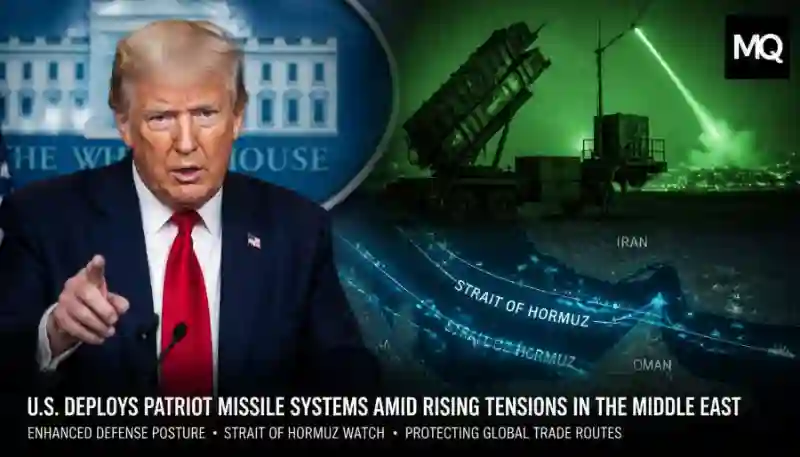
Straight up, the Middle East is doing something very clever and very dangerous at the same time. Iran’s move to create a ‘Persian Gulf State Authority‘ is a masterclass in what I call “Checkpost Economics.” Look, instead of just threatening to block paths, they are setting up a regulatory wall. If every ship needs a “nod” from a local authority to pass, we aren’t just talking about a delay; we’re talking about a new kind of geopolitical tax.
Properly speaking, this shift changes how we view trade routes. To be fair, if you own a business or invest in retail in London or New York, you might think this is far away. But look, these new “authorities” can influence the price of everything from the microchips in your phone to the grain in your bread. It’s no longer just about supply and demand; it’s about who has the “keys” to the gate.
Modern Warfare: The New Tech Gold Rush
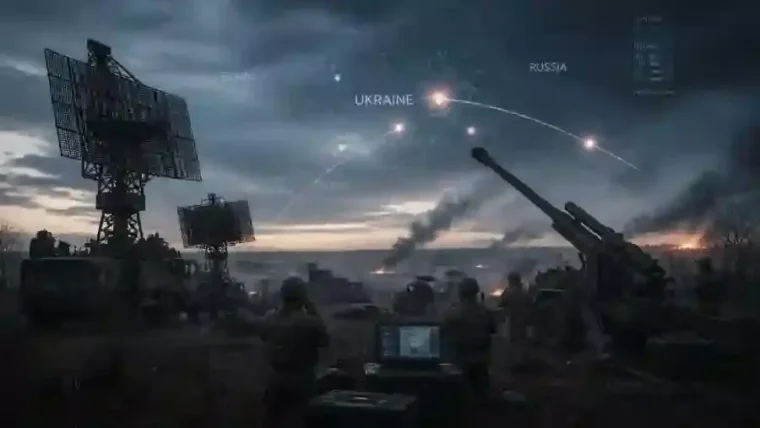
Honestly, we need to talk about the money flowing into defense. It’s a bit grim, but look at the recent deals between countries like Ukraine and Bahrain. We aren’t talking about old-school tanks anymore. The new economy is built on drones, AI-driven surveillance, and cyber defense. Straight up, “Modern Warfare” has become a massive tech sector that is attracting billions in private investment.
To be fair, for a long time, tech investors focused on apps and social media. But now, the smart money is moving toward “Hard Tech”—hardware that can actually protect a border or disable a drone. If you’re looking for where the next “Unicorn” startups might come from, look at the companies building autonomous defense systems. It’s a shift from “Consumer Tech” to “National Tech,” and it’s going to be a huge part of the 2026 economy.
The Death of the “One-Size-Fits-All” Portfolio
Look, the old advice was simple: buy some stocks, some bonds, and maybe some property. But honestly, that’s not enough anymore. In this “Multi-Polar” world, you have to think about where your money is actually sitting. If the US Dollar starts to lose its grip because more countries are trading in their own currencies (like the Yen or the Ruble), your cash value could fluctuate wildly.
Straight up, we are seeing a “Flight to Quality.” Big investors are looking for assets that aren’t tied to just one government’s mood. This is why we see such a massive interest in alternative assets and decentralized finance. To be fair, people want to know that their wealth won’t disappear just because two countries decided to start a trade war.
Religious Diplomacy and the Economic Vacuum
Another thing people miss is how cultural and religious tensions impact the flow of money. When we see unrest in the Middle East, it’s not just about the local conflict. Look, it creates a vacuum where foreign investment (FDI) gets scared and runs away. But that money doesn’t just vanish; it looks for a new home.
Honestly, we are seeing a massive shift of capital toward emerging markets in Southeast Asia and India. Investors are betting on regions that can stay neutral and keep producing goods while the traditional power centers are busy fighting. For a European or American investor, the message is clear: if you aren’t looking at these neutral “Safe Zones,” you’re missing half the picture.
Closing: The New Survival Guide
Look, the bottom line is that the world is no longer a single market with one set of rules. Straight up, it’s a patchwork of different interests, and “National Interest” is the only thing that matters now. Honestly, to stay ahead in this economy, you have to be willing to look past the scary headlines and see the actual power shifts underneath.
Properly speaking, don’t get caught up in the drama. Look at the trade deals, watch the tech startups in the defense space, and pay attention to who is buying whose oil. To be fair, the winners in this new era will be the ones who can adapt to a world where the old maps no longer work. Keep your eyes open, stay skeptical of the “official” narrative, and keep your investments as flexible as possible.
FAQs
Q1: Why is the Japan-Russia oil deal such a big deal for investors?
Honestly, it’s a massive signal that global sanctions are losing their power. When a major ally like Japan puts its energy needs above Western sanctions, it shows that the old financial system is cracking. For investors, this means we are heading into a much more unpredictable, multi-polar market.
Q2: How does “Checkpost Economics” control money, goods, and mobility in the region
Straight up, it’s when a country or region creates its own regulatory “wall” over a trade route. Instead of just blocking ships, they set up authorities that demand permission or fees. This acts like a new geopolitical tax, which can drive up costs for everything from tech to food in the West.
Q3: Is defense technology a good sector to watch in 2026?
Look, the way we fight wars has totally changed. Modern warfare is now all about drones, AI, and cyber defense. To be fair, this has turned defense into a massive high-tech sector. Big private money is flowing into these “Hard Tech” startups, making it one of the most interesting areas for long-term growth.
Note: This is for educational purposes only. Not financial advice. We are not SEBI-registered.