- What Happens to Global Stock Markets When Wars Escalate?
- 1. The Initial Shock: Why Markets Panic
- Lessons from History (Past Examples)
- 2. The Russia-Ukraine War: A Global Supply Chain Crisis
- 3. Israel-Iran Tensions: The Shadow of the Middle East
- Iran Conflict and the Oil Supply Risk
- 4. The Crude Oil Price Impact: The Domino Effect
- 5. Defensive Sectors: Where Do Investors Hide?
-
- 6. The V-Shaped Recovery: Why You Shouldn’t Lose Hope
- 7. The Human Side of the Numbers
- Conclusion: Staying Calm in a Stormy World
What Happens to Global Stock Markets When Wars Escalate?
War is a word that brings fear, not just to the people on the front lines, but also to investors sitting thousands of miles away. When we hear news about missiles or border tensions, the first thing many people do is check their banking apps. Why? Because the global economy is like a giant web—if you pull one string in the Middle East or Eastern Europe, the whole thing vibrates.
For a student or a beginner investor, understanding the link between war and the stock market is crucial. It’s not just about numbers; it’s about human psychology, supply chains, and the safety hunt.
1. The Initial Shock: Why Markets Panic
If there’s one thing the stock market cannot tolerate, it’s uncertainty. When a war escalates, nobody knows how long it will last, who will join in, or which trade routes will be blocked. This not knowing creates panic.
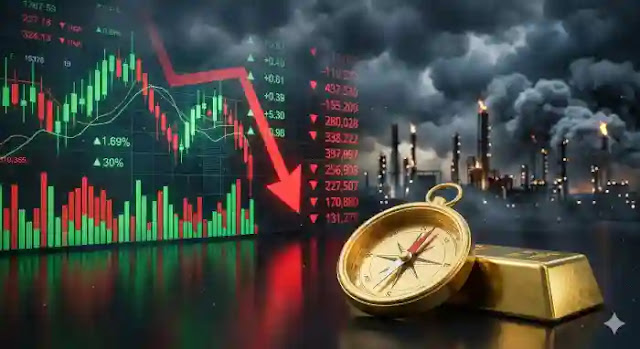
When investors are scared, they sell their risky assets like stocks and move their money into safe spots. This is why you often see a massive red dip in the charts the moment a conflict breaks out. It’s a knee-jerk reaction. People would rather have cash or gold in their hands than a piece of a company that might struggle during a war.
Lessons from History (Past Examples)
If we look back, history acts as a teacher. During World War II, the markets were incredibly volatile. In the early stages, as the Axis powers gained ground, the US and UK markets saw sharp declines. However, as the tide turned and industrial production ramped up, the markets actually began a long-term recovery.
Similarly, during the Vietnam War or the Gulf War in the 90s, the initial reaction was a sharp drop. But interestingly, history shows that markets often bottom out (hit their lowest point) shortly after the actual fighting starts. Once the uncertainty becomes a reality, people start calculating the actual impact and stop panicking.
2. The Russia-Ukraine War: A Global Supply Chain Crisis
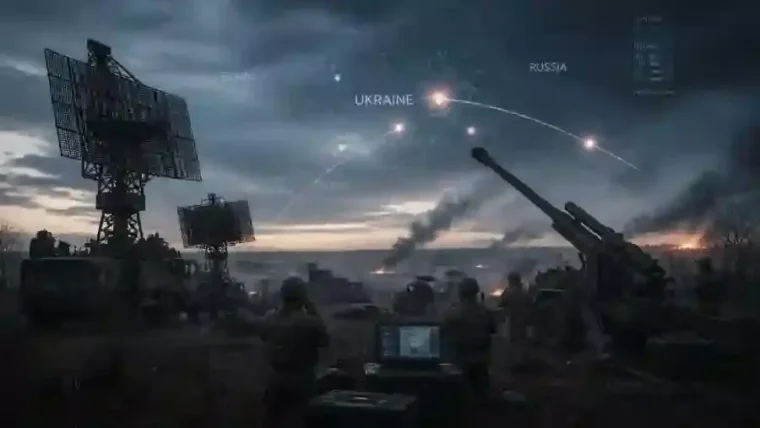
The conflict between Russia and Ukraine, which escalated in early 2022, changed how we look at global markets. It wasn’t just a regional fight; it was a shock to the world’s pantry and fuel tank.
Russia is a massive exporter of oil and natural gas, especially to Europe. When the war started, and sanctions were placed on Russia, energy prices went through the roof. This caused Inflation, where the price of everything from electricity to car fuel became expensive.
Ukraine, on the other hand, is often called the Breadbasket of the World. They produce a huge portion of the world’s wheat, corn, and sunflower oil. When the war blocked their ports, food prices spiked globally. Stock markets reacted by punishing companies that rely on cheap transport and raw materials, like airlines and food processing giants.
3. Israel-Iran Tensions: The Shadow of the Middle East
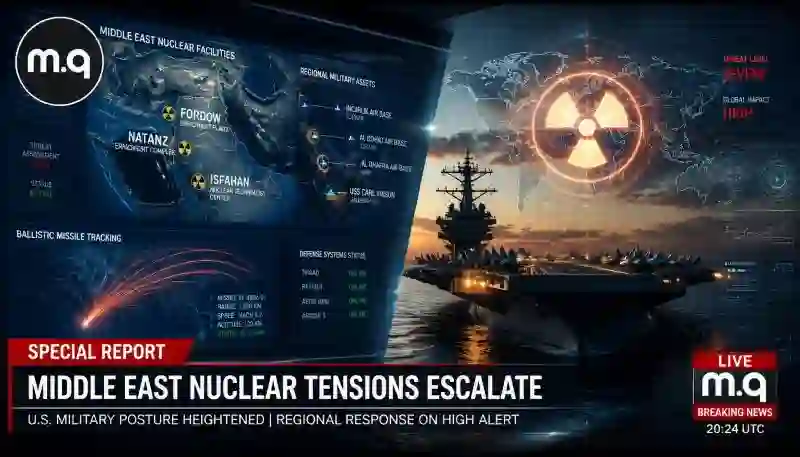
The Middle East is perhaps the most sensitive area for the global stock market because of one thing: Oil. Currently, tensions between Israel and Iran are a major red flag for investors worldwide.
Unlike small regional skirmishes, a direct conflict between these two powers could involve many other countries. For the stock market, this means high risk. Whenever news breaks about a new escalation in this region, you will see the Fear Index (VIX) jump up.
Iran Conflict and the Oil Supply Risk
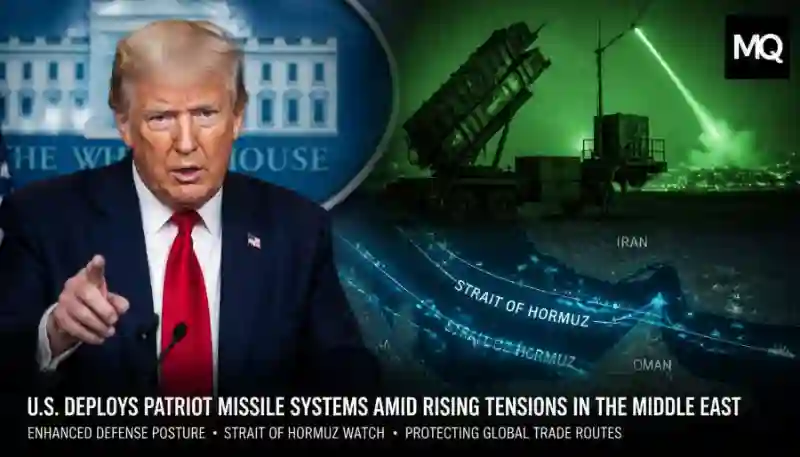
Iran holds a very strategic position on the world map. They are located alongside the Strait of Hormuz. This is a narrow stretch of water through which about 20% of the world’s total oil consumption passes every single day.
If a war escalates to the point where this strait is blocked or even threatened, the flow of oil to the rest of the world stops. We saw a glimpse of this during the Tanker War in the 1980s. In 2026, the world is even more dependent on energy, so any threat here sends shockwaves through the New York, London, and Tokyo stock exchanges instantly.
4. The Crude Oil Price Impact: The Domino Effect
Why does oil matter so much to a tech company in Silicon Valley or a bank in Mumbai? It’s because oil is the blood of the global economy.
When crude oil prices rise because of war:
- Transport Costs Increase: It becomes more expensive to ship goods by truck, ship, or plane.
- Production Costs Rise: Factories use energy to make products. If energy is expensive, the product becomes expensive.
- Consumer Spending Drops: If you are spending more on petrol and groceries, you have less money to buy a new iPhone or a car.
This is why, when oil prices spike, the stock market usually falls. The only companies that stay green (profitable) are the big oil producers themselves.
5. Defensive Sectors: Where Do Investors Hide?
Not every stock goes down during a war. Professional investors use a strategy called Flight to Safety. They move their money into Defensive Sectors—industries that people need regardless of whether there is a war or peace.
- Defense and Aerospace: This is perhaps the clearest example. Companies that build fighter jets, missiles, and surveillance systems (like Lockheed Martin or Raytheon) often see their stock prices rise during escalations because governments spend more on military equipment.
- Energy Stocks: As we discussed, if oil prices go up, the companies pulling that oil out of the ground make more money.
- Healthcare: People still need medicine and hospitals. This sector is usually very stable during geopolitical chaos.
- Gold and Precious Metals: Gold isn’t a company, but it’s an asset. When people lose faith in paper money (currencies), they buy gold. It is seen as the ultimate store of value during a war.
6. The V-Shaped Recovery: Why You Shouldn’t Lose Hope
If you look at a chart of the stock market over the last 100 years, you will see many dips caused by wars. But you will also see that the line eventually goes back up.
Economists often talk about a V-Shaped Recovery. This happens when the market falls very fast due to fear, stays at the bottom for a short time while people assess the situation, and then climbs back up as companies adapt. For example, during the Russia-Ukraine war, while some sectors stayed down, others like Green Energy and Defense hit all-time highs.
7. The Human Side of the Numbers
It is easy to get lost in percentages and price charts, but we must remember that behind every market dip, there is a human cost. War causes destruction and loss of life, which is far more significant than a red day on the stock market.
However, from an investment perspective, the goal is to remain rational. Those who panic-sell during the first week of a war usually lose the most money. Those who understand the cycles of Defensive Sectors and Safe Havens tend to protect their wealth better.
Conclusion: Staying Calm in a Stormy World
To summarize, when wars escalate:
- Panic hits first, causing a general market crash.
- Commodity prices (Oil and Wheat) usually skyrocket.
- Defensive stocks like Defense and Gold become the winners.
- Inflation rises, making life more expensive for everyone.
The global stock market is resilient. It has survived two World Wars, the Cold War, and many regional conflicts. If you are a long-term investor, the key is to stay diversified. Don’t put all your eggs in one basket, especially if that basket is sensitive to oil prices or international trade.
War is unpredictable, but market history is not. By staying informed and understanding which sectors act as a shield, you can navigate even the darkest geopolitical times.
FAQs: Everything You Need to Know
A Personal Note: We Stand for Peace
Note: This is for educational purposes only. Not financial advice. We are not SEBI-registered.