Table of Contents
Israel-Iran War 2026: Is Your Portfolio Ready for $200 Oil?
Middle East Crisis: Why Markets Hate Uncertainty More Than War
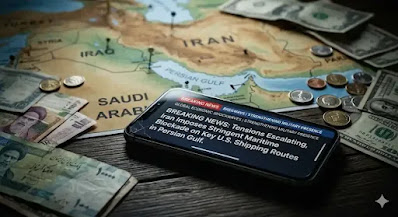
As we enter March 2026, the world is watching the Middle East with a lot of fear. The situation between Israel and Iran has moved from small threats to a full-scale conflict. While the news is full of military talk, as an investor, you need to look at your mobile screen and check your portfolio.
The big question everyone is asking is: Will oil prices hit $200? But what happens to your hard-earned money when the market takes a major hit? Let’s talk about this like two friends discussing a serious problem.
1. The $200 Oil Nightmare: Is it Real?
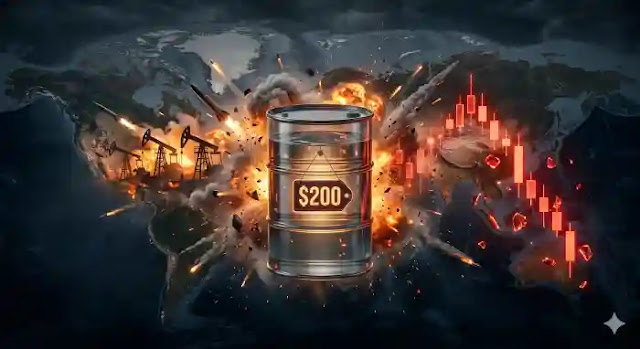
Right now, Brent Crude is sitting around $115 to $120. But many experts are warning that we could see $150 or even $200 soon. Why? It is not just about the fighting; it is about the geography.
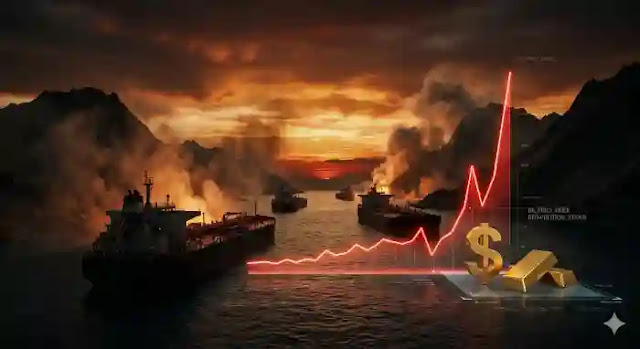
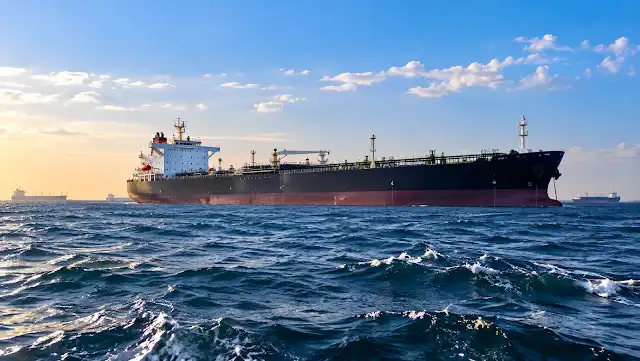
The Strait of Hormuz Danger: This is a tiny water passage, but it is the most important one in the world. About 20% of the world’s oil travels through here. Iran has hinted at blocking this route. If that happens, oil supply will stop like a jammed pipe, and prices will skyrocket.
Physical Damage: In this 2026 conflict, we are seeing drones hitting oil refineries. Unlike a stock market dip, you cannot fix a burnt oil factory in a day. It takes months.
Panic Buying: When countries like India or China see the Middle East in trouble, they start buying oil from anywhere else at any price. This panic bidding pushes the global price even higher.
2. Why Markets Hate Uncertainty More Than War
This is a strange fact about the stock market: Markets can handle a war, but they cannot handle a mystery. Think about it. When a war starts, the market usually falls. But once everyone knows who is fighting and where the borders are, the market starts to recover. However, the 2026 Israel-Iran crisis is full of Uncertainty, and that is what scares investors.
How long will it last? If the war ends in a week, the market bounces back. If it lasts two years, we are looking at a global recession. No one knows the answer yet.
Will it spread? Will other countries get involved? The fear of a bigger World War scenario keeps big investors (FIIs) from putting money into stocks.
The Inflation Monster: High oil prices mean everything becomes expensive—from your groceries to your Uber ride. This makes the Central Banks nervous, and they might increase interest rates, which is usually bad news for stocks.
3. Who Wins and Who Loses? (The Sector Analysis)
In a war, not every company loses money. Some actually grow. You need to know which side your stocks are on.
📉 The Losers (Handle with Care)
Aviation (Airlines): Fuel is the highest cost for planes. If oil hits $200, air tickets will become so expensive that common people will stop flying. Companies like IndiGo will find it very hard to make a profit.
Paints and Chemicals: Did you know that paint is made using oil products? When crude oil prices rise, the cost of making paint goes up, but companies cannot always increase their prices for customers. This hurts their profit.
Tyre Companies: Tyres are made of synthetic rubber, which comes from oil. So, companies like MRF or Apollo will feel the heat.
📈 The Potential Winners (War-Proof)
Defence Stocks: Israel is running low on defensive rockets. This means countries will spend billions buying new missiles and radars. Indian companies like HAL or BEL might see more orders.
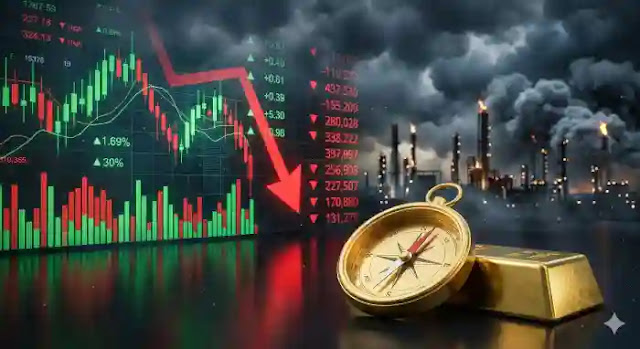
Gold: Gold is the world’s oldest insurance policy. When people are scared of war, they sell their stocks and buy Gold. This is why Gold prices usually go up during a crisis.
Renewable Energy: High oil prices are a wake-up call. People start thinking about Electric Vehicles (EVs) and Solar Power much faster. Stocks in the green energy sector often do well in the long run.
4. What Should You Do with Your Portfolio?
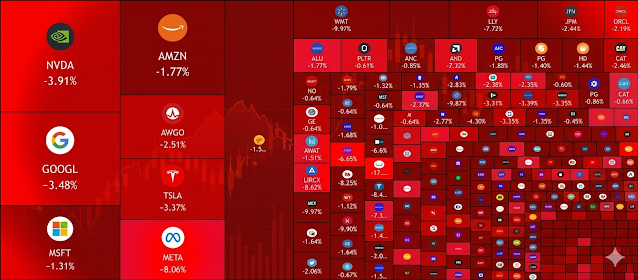
It is easy to panic when you see red numbers on your screen. But a smart investor stays calm. Here is a simple plan:
Do Not Panic Sell: Most people lose money because they sell when the market is at its lowest point. Remember, wars are temporary, but the economy eventually grows back.
Keep Some Cash: If the market falls 10% or 15% because of war news, do not be sad. Use your saved cash to buy good companies at a discount. This is how wealth is created.
Check Your Diversification: Ensure you are not only invested in Oil-sensitive stocks. Have some Gold, some Fixed Deposits, and some Defence or Tech stocks.
5. Frequently Asked Questions (FAQs)
Q1. Why is the Israel-Iran war making oil so expensive?
The Middle East produces a huge portion of the world’s oil. When there is a war there, the supply gets blocked or damaged. When there is less oil, but everyone still needs it, the price goes up.
Q2. Can crude oil really reach $200 per barrel?
It could happen if the main sea routes, like the Strait of Hormuz, are closed. If the world loses 20% of its oil supply suddenly, prices could double very quickly.
Q3. Why does the stock market fall during a war?
Investors hate risk. When a war happens, people get scared about the future. They sell their shares to keep their money safe in cash or gold, which causes the stock market to drop.
Q4. Is it a good time to buy stocks during a war?
History shows that the best time to buy is often when everyone else is afraid. However, you should only buy strong companies that have no debt and can survive a few bad months.
Q5. Should I buy Gold right now?
Gold is a good way to protect your money during a crisis. It usually keeps its value even if the stock market is crashing.
Conclusion
The 2026 Middle East crisis is a reminder that the world is connected. A missile in one country can change the price of petrol in yours. While $200 oil is a scary thought, it is also a time to look at your investments and make them stronger. Stay patient, stay informed, and don’t let the headlines make your financial decisions for you.
Note: This is for educational purposes only. Not financial advice. We are not SEBI-registered.