- Global Oil Crisis 2026: Is Trump’s “Oil Island” Gamble Spiraling Out of Control?
- 1. The Strategy: The Clash Over Iran’s Oil Export Lifelines
- 2. The Media Narrative: Is Trump Losing Control?
- 3. Wall Street and the Surge of “Safe Havens.”
-
- 4. Europe’s Cold Reality and the LNG Crisis
-
- 5. Inflation: The Ghost in the Supermarket
-
- 6. A Personal Perspective: Sarah from Ohio
Global Oil Crisis 2026: Is Trump’s “Oil Island” Gamble Spiraling Out of Control?
Honestly, if I had a pound for every single time some “expert” predicted the total collapse of the global economy, I’d probably be retired on a private estate by now. But look, as of March 26, 2026, the tension between the USA, Israel, and Iran has moved from scary headlines to empty pockets. If you haven’t felt the pinch at the gas station yet, you’re probably not driving enough.
The conflict has properly rattled the cage of the global economy. From the London Stock Exchange to Wall Street, everyone is looking at the same thing: the price of a barrel and the safety of the world’s most critical sea routes. Straight up, we are witnessing a high-stakes gamble that could either secure Western energy for a decade or lead us into World War 3.
1. The Strategy: The Clash Over Iran’s Oil Export Lifelines
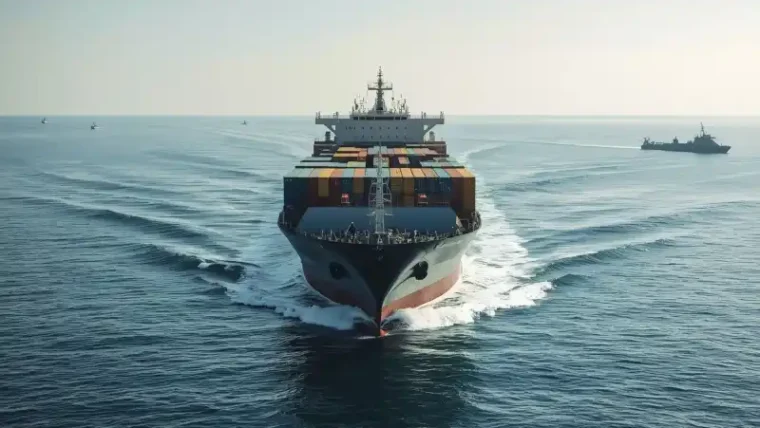
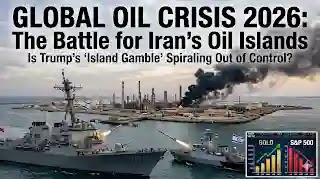
The biggest “Breaking News” right now isn’t just about missiles; it’s about boots on the ground. There are strong reports from the Gulf that the US military is positioning itself to capture or neutralize Iran’s key energy hubs, specifically their Oil Islands like Kharg Island.
To be fair, if the USA and its allies capture these islands, they control the “Tap” of the world’s oil.
- The Military Move: There’s talk of US special forces targeting these strategic hubs to break Iran’s economic backbone.
- The Iranian Threat: Iran has already warned that if even one Western soldier steps on their islands, they will shut down the Strait of Hormuz permanently.
Properly speaking, if this happens, we aren’t just looking at expensive gas—we are looking at a total global energy blackout.
2. The Media Narrative: Is Trump Losing Control?
Look, the major newspapers in London and Washington—like The Guardian and The New York Times—are painting a very grim picture. They are claiming that Donald Trump has “lost his grip” on the situation and that the war has spiraled beyond his control.
- Perception vs. Reality: Honestly, the media loves a “Cornered Leader” story. While they claim he’s trapped, others suggest this is a calculated move to capture Iran’s assets and back the US Dollar with the world’s oil supply.
- Market Panic: When the headlines say “Trump has lost control,” investors panic. This is exactly why we are seeing a massive “Flight to Safety“ right now. People don’t trust politicians or paper money during a war; they trust physical assets.
3. Wall Street and the Surge of “Safe Havens.”
Straight up, the stock markets in the US and Europe are in “Panic Mode.”
- The S&P 500 and FTSE 100: These indices have seen a massive sell-off as investors dump tech and retail stocks.
- Gold is King: Gold has smashed through the $2,500 per ounce barrier this March. In a world where the media says leaders have lost control, Gold is the only thing people properly trust.
- The Bitcoin Debate: Interestingly, Bitcoin is behaving like a wild animal. It’s “Digital Gold” one minute and a “Risk Asset” the next. To be fair, only the bravest investors are staying in the crypto market while missiles are in the air.
4. Europe’s Cold Reality and the LNG Crisis
While America talks about military strategy, Europe is feeling the economic cold. The supply of LNG (Liquefied Natural Gas) from the Gulf has become increasingly unstable.
- The UK and Germany: Energy prices have jumped by nearly 25% in the last week. Talks around “Emergency Energy Measures” for summer are already underway among governments.
- At the Pump: In France and Italy, the price of premium fuel has hit record highs. People are switching to public transport across London and Paris, not by choice, but because they can’t afford the commute.
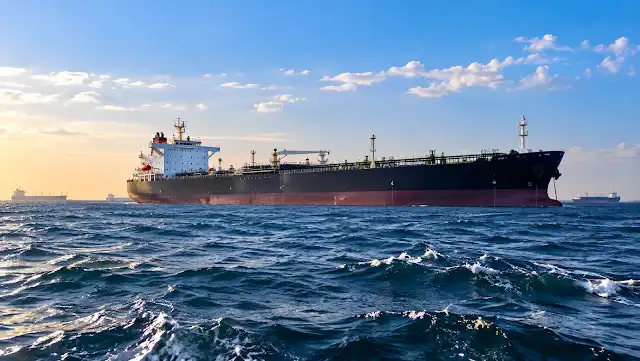
- Shipping Insurance: With the Persian Gulf becoming a “no-go zone,” the cost of insuring a tanker has gone through the roof. This means even if the oil is there, getting it to a port in Rotterdam or Liverpool is costing a fortune in extra fees.
5. Inflation: The Ghost in the Supermarket
When fuel prices go up, everything else follows. In the US, the CPI (Consumer Price Index) is showing a sharp, painful spike.
- Logistics Costs: It costs a lot more to move a truck from California to New York today than it did last month. This means your groceries, your electronics, and even your clothes are getting more expensive by the hour.
- The European Squeeze: In the EU, food inflation is hitting double digits again. The “Cost of Living Crisis” that we thought was over is back with a vengeance.
6. A Personal Perspective: Sarah from Ohio
Think about Sarah, a nurse in Ohio. She has a 45-minute commute to the hospital every day. Last year, she spent $40 a week on gas. Today, she is spending nearly $90. To be fair, this isn’t just a “market trend” for Sarah; it’s the difference between saving for her kids’ college and just surviving. This underscores the human dimension of the “Oil Island” gamble.
Frequently Asked Questions (FAQ)
1. Is the USA actually planning to capture Iran’s Oil Islands?
Properly speaking, major geopolitical reports are suggesting that the US military strategy involves neutralizing hubs like Kharg Island to cut off Iran’s economic lifeline. This has caused extreme volatility in the 2026 energy markets.
2. Why is the media saying Trump has lost control?
Honestly, it’s a mix of genuine concern over military escalation and the usual media narrative against his policies. However, in finance, this “loss of control” narrative is what drives people to sell stocks and buy Gold.
3. What happens if the Strait of Hormuz is closed?
To be fair, it would be an economic disaster. Approximately one-fifth of global oil flows through that passage. Closure would likely push crude oil prices toward $200 per barrel, leading to global rationing and a deep depression.
The Bottom Line:
The 2026 Energy Shock is a masterclass in how interconnected our world is. A conflict over a few islands in the Gulf can raise the price of bread in New York and stop a truck in London. Whether Trump is “in control” or “cornered” remains to be seen, but for now, the “Smart Money” is hedging against chaos.
I’m curious—do you think the West should stay out of the Gulf entirely, or is capturing the “Oil Heart” the only way to lower prices? Let’s talk in the comments!
Note: This is for educational purposes only. Not financial advice. We are not SEBI-registered.