- Global Economy 2026: War, Oil, and the Truth About Your Wallet
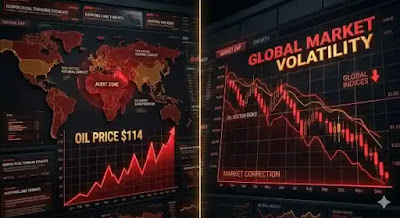
- Geopolitical Chaos: Why Oil is Hitting $114
- The Inflation Trap: Why Everything Still Feels Expensive
- The K-Shaped Reality of 2026
-
- Where is the Smart Money Moving?
-
- Stagflation: The Real Monster Under the Bed
- Survival Strategy: How to Handle Your Money Now
-
- My Final Take on March 2026
- Frequently Asked Questions (FAQs)
Global Economy 2026: War, Oil, and the Truth About Your Wallet
If you’ve glanced at your bank balance lately, you know something is wrong. It is March 9, 2026, and there’s a massive gap between those shiny “government reports” and the reality of our daily lives. While the TV talks about GDP growth, most of us are just wondering why a trip to the grocery store feels like a major financial decision.
The reality is that we are stuck in a nightmare between a dangerous war in the Middle East and an economy that’s built like the letter K—where the rich keep climbing, and everyone else is just trying not to slip. Believe me, if you want to keep your savings safe this year, you’ve got to look past the official fluff and see what’s actually happening on the ground.
Geopolitical Chaos: Why Oil is Hitting $114
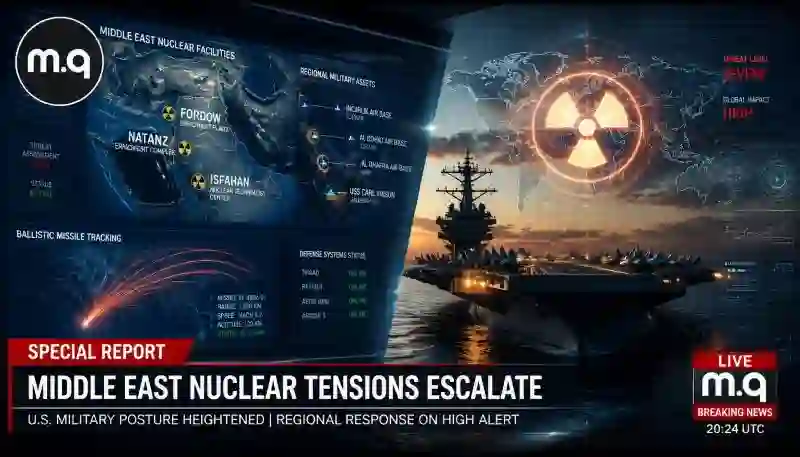
The biggest shock right now is the direct war between Iran and Israel. This isn’t just some far-away fight; it’s a global economic earthquake.
- The Energy Spike: Brent Crude has properly exploded, jumping 25% today to hit over $114 per barrel.
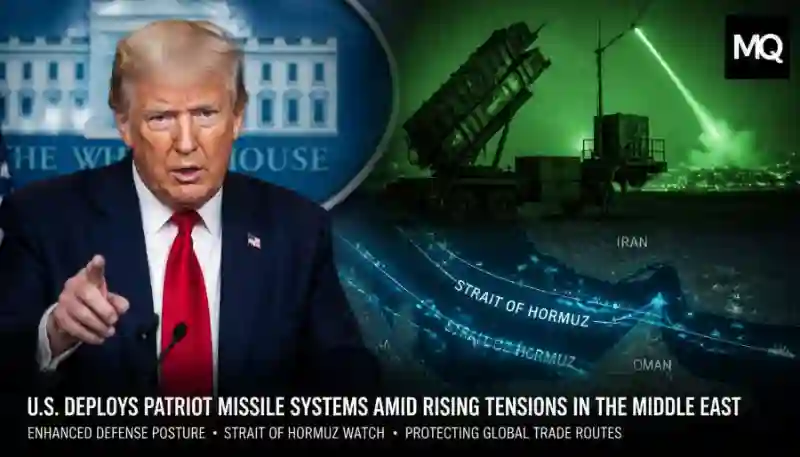
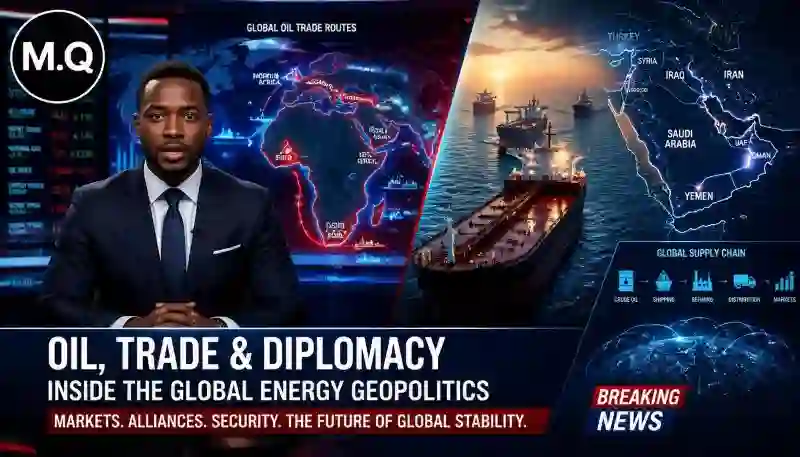
- The Chokepoint: Mind you, about 20% of the world’s oil flows through the Strait of Hormuz. With Iran threatening to shut it down, tanker traffic has already tanked by 70%.
- Shipping Costs: Because ships are now forced to sail all the way around Africa to stay safe, insurance and freight rates have literally tripled overnight.
For my money, the “Cheap Energy” era is officially dead. Even if they stop fighting tomorrow, the damage to the world’s supply chains is already baked in.
The Inflation Trap: Why Everything Still Feels Expensive
The government loves to claim inflation is “cooling” down to 3%. But here’s the thing: inflation is just the speed at which prices go up. It doesn’t mean anything is actually cheaper.
Since 2020, the cost of stuff you actually need—like milk, bread, and rent—has surged by nearly 40%. Even if that speed slows down, those high prices are here to stay. Your paycheck buys less today than it did five years ago, and most wages aren’t even trying to keep up. Believe me, this is a silent tax on your hard work.
The K-Shaped Reality of 2026
Actually, we are seeing a massive split in how people live today.
- The Top Line: If you own assets like real estate, tech stocks, or Bitcoin, you’re doing great. The AI boom is driving that wealth higher every day.
- The Bottom Line: If you rely on a monthly salary and have debt, you’re struggling. High interest rates are making credit cards and car loans particularly painful to pay off.
But even in this mess, there’s a way to be smart. While everything physical is getting pricier, digital tools are becoming more accessible. For my money, businesses should be leaning into “Always Free” services like Microsoft Azure to cut their overhead. In 2026, your tech stack is the only thing that shouldn’t be eating your lunch.
Where is the Smart Money Moving?
As of March 9, professional investors are running away from risky tech and looking for “Safety and Liquidity.”
- Energy & Defense: These are the big winners. In a world at war, these aren’t just stocks; they are survival kits.
- The Gold Rush: Gold is still the go-to when people are scared. Mind you, it’s a bit volatile, but when world leaders start talking about “red lines,” people buy physical gold.
- The Bitcoin Factor: Interestingly, Bitcoin is holding its ground as a “Digital Gold” for the younger crowd, even while the oil markets are going crazy.
Stagflation: The Real Monster Under the Bed
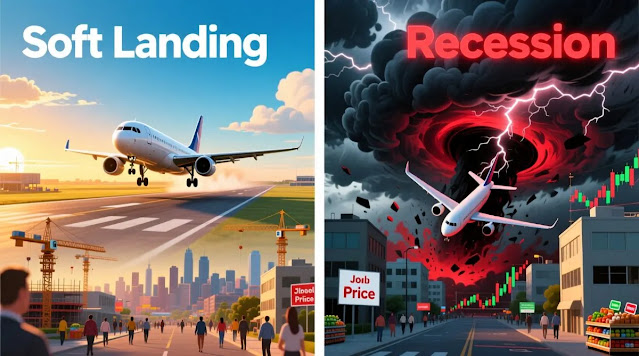
The biggest risk we face in late 2026 isn’t just a recession—it’s Stagflation. This is that toxic mix where the economy stops growing, but prices keep rising because of war and supply chain breaks.
Believe me, if we hit full stagflation, the old “Buy and Hold” strategy might not save you. You need to be active. Look at commodities, look at agriculture, and keep your cash ready. You need to be able to pivot when the headlines change.
Survival Strategy: How to Handle Your Money Now
You can’t stop a war, but you can choose where you put your assets.
- Cash is King: Keep at least 6 months of living expenses in a liquid account. In this economy, that’s your ultimate safety net.
- Hedge with Commodities: Put a slice of your portfolio into Energy or Metals like Gold.
- Ditch the Debt: Interest rates are a trap right now. Pay off those high-interest credit cards as fast as you can.
- Think Globally: Don’t just watch the US or Europe. Look at markets that aren’t directly in the line of fire in the Middle East.
My Final Take on March 2026
The lesson right now is simple: Discipline beats Intelligence every time. You don’t need to be a Wall Street genius to see that the world is changing. You just need the discipline to stop following the herd and start protecting what you’ve built.
The “Peace Dividend” we enjoyed for decades is over. The world is more connected—and more fragile—than ever before. My goal is to help you see the truth behind the noise so you can make moves that actually matter for your family.
Frequently Asked Questions (FAQs)
1. Is a global recession coming because of the war?
Actually, if oil stays above $110 for a long time, it’s almost guaranteed. High energy prices act like a global tax that slows down everything.
2. Why are my bills so high if inflation is “cooling”?
The thing is, a drop in inflation only means prices are rising more slowly, not dropping. The huge jumps from the last few years are now a permanent part of the economy.
3. Is the US Dollar still the safest place for my money?
Believe me, people always run to the Dollar during a war. But with all the debt and political mess, many are now splitting their safety between the Dollar and Gold.
4. How can free tech services help me save money?
For my money, it’s all about lowering your “burn rate.” Using free cloud tiers for your business data can save you thousands that you’ll need to cover rising energy costs.
5. What is the biggest danger for the rest of 2026?
Mind you, the real threat is Stagflation—prices rising while the economy stalls. It’s the worst-case scenario for any regular investor.
Note: This is for educational purposes only. Not financial advice. We are not SEBI-registered.