- The Picks and Shovels Strategy: Why Ray Dalio is Dumping Big Tech for AI Infrastructure
- Why Exit Alphabet and Meta Now?
- Hardware is the New King: The Rise of Nvidia and Micron
- Oracle ($ORCL): The AI Dark Horse
- The Great AI Rotation: From Software to Physical Assets
- Is This an Early Bubble?
- Investor Takeaway: Follow the Money
- Conclusion
The Picks and Shovels Strategy: Why Ray Dalio is Dumping Big Tech for AI Infrastructure
The AI hype train is moving at full speed, but while the world is busy obsessing over the latest features of ChatGPT or Gemini, the world’s most successful hedge fund manager is making a move that should make every investor pause and reflect.
Ray Dalio’s Bridgewater Associates has recently made a massive Regime Shift in its portfolio. The fund has aggressively slashed its holdings in hyperscalers like Alphabet (Google) and Meta (Facebook), rotating that capital into what many call the backbone of AI: Oracle, Nvidia, and Micron.
To understand this move, we need to revisit a classic piece of investment history: the Gold Rush. During the 1840s, the people who became consistently wealthy weren’t the miners digging for gold—most of them went home broke. The real winners were the ones selling them the picks and shovels.
In 2026, Ray Dalio is applying this exact strategy to the AI market. Let’s dive deep into the logic behind this massive rotation.
Why Exit Alphabet and Meta Now?
For the last few years, Google and Meta have been the darlings of the AI revolution. However, the landscape is shifting rapidly. Bridgewater reportedly cut its stake in Meta by 46% and Alphabet by 40%. There are three primary reasons for this exit:
1. The Narrowing Moat (AI Model Saturation)
We are entering an era of Model Saturation. With the release of powerful models like Claude 4.6 and other open-source alternatives, the gap between the top players is shrinking. When everyone has access to a powerful AI model, the model itself becomes a commodity. Google’s once-impenetrable moat is under threat as users and developers find high-quality alternatives everywhere.
2. The Capex Burden
These companies are currently in a brutal spending war. To maintain their dominance, they are projected to spend a combined $650 Billion on AI infrastructure by the end of 2026. For investors, this raises a scary question: When does this massive expenditure turn into a clear ROI (Return on Investment)? Until the revenue from AI software catches up to the cost of building it, these stocks face significant margin pressure.
Hardware is the New King: The Rise of Nvidia and Micron
Dalio’s logic is simple: No matter which AI model wins the software war, they all need chips and memory to run. This is the stage where the shovel providers become important.
NVIDIA ($NVDA) remains the undisputed king of AI hardware. Their H100 and B200 chips are the oxygen of the AI world. As long as Google, Meta, and Microsoft are fighting each other, they are all forced to keep buying from Nvidia.
Alongside Nvidia, Micron Technology ($MU) has become a critical player. AI doesn’t just need processing power; it needs High Bandwidth Memory (HBM). Micron has emerged as a leader here, and its supply for 2026 is reportedly already booked out. When a company has sold its inventory two years in advance, it provides a level of earnings visibility that software companies currently lack.
Oracle ($ORCL): The AI Dark Horse
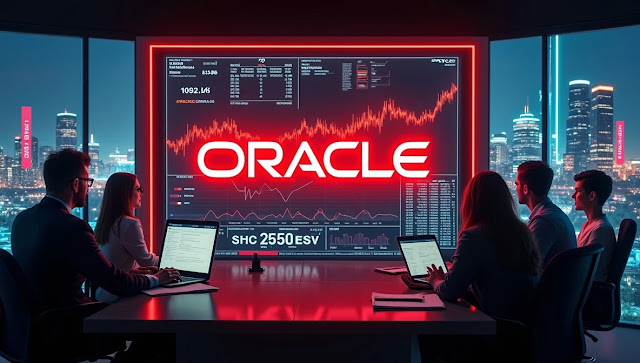
Many investors still view Oracle as a legacy database company, but that is a mistake that could cost them. Oracle has undergone a massive transformation into a cloud infrastructure powerhouse.
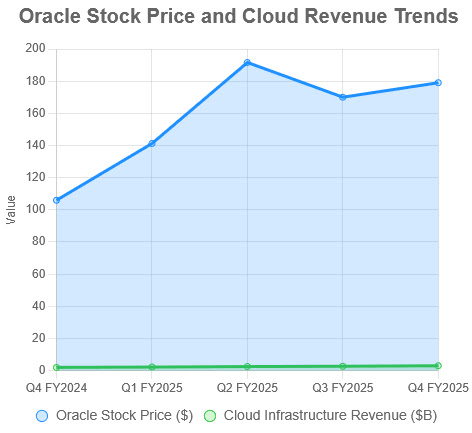
Oracle Cloud Infrastructure (OCI) has become the preferred choice for training large-scale AI models. Even giants like Nvidia and Meta are utilizing Oracle’s data centers. With a backlog of over $100 Billion in RPO (Remaining Performance Obligations), Oracle is no longer a slow-moving giant; it is the physical foundation upon which the AI revolution is being built. Dalio recognized this shift early, betting on Oracle’s ability to lease out the massive gigawatt-class data centers it is currently building.
The Great AI Rotation: From Software to Physical Assets
In the world of institutional investing, a Rotation happens when big players move money from one sector to another. Right now, we are seeing a rotation from AI Software/Models to Physical Infrastructure.
The market is realizing that while software can be easily replicated or disrupted, physical assets—like advanced chips, high-speed memory, and massive, power-hungry data centers—are much harder to build. As long as the Capex spending orgy continues, the companies providing the hardware are the ones with the most guaranteed profits.
Is This an Early Bubble?
Ray Dalio is a student of history. He has warned that we might be in an Early Bubble phase of AI. This mirrors the Dotcom bubble of the late 90s. Back then, infrastructure companies like Cisco and Intel peaked first as they built the internet’s foundation. Only after the infrastructure was ready did the software giants like Amazon and Google eventually take over.
By shifting to hardware now, Dalio is capturing the Build Phase of AI. Even if the hype around specific AI apps cools down, the physical infrastructure will still be required for the entire global economy’s digital transformation.
Investor Takeaway: Follow the Money
What can the average investor learn from this?
- Don’t Get Emotional: If Ray Dalio can dump Google and Meta, you shouldn’t be married to your stocks either. Market leaders change as technology evolves.
- Watch the Capex: Always look at where the big tech companies are spending their cash. If they are pouring billions into hardware, follow the trail to the suppliers.
- Wait for Official Releases: While market sentiment moves fast, always wait for official 13F filings and quarterly reports to confirm these shifts. Forecast numbers should always be viewed as separate from realized gains.
Conclusion
The battle for AI dominance is no longer just about who has the smartest chatbot. It is a war of physical resources—power, chips, and space. Ray Dalio’s move proves that, at this stage of the cycle, the infrastructure is more valuable than the application.
Bridgewater has placed a sophisticated bet. They have stepped away from the miners who are facing exhaustion and competition, and they have backed the suppliers who are getting paid regardless of who finds the gold.
FAQ: Frequently Asked Questions
1. What exactly is the Picks and Shovels strategy? It refers to investing in the companies that provide the essential tools or services for an industry, rather than the companies producing the end product. In AI, this means investing in chipmakers and data center providers instead of just the app developers.
2. Why is Oracle considered an AI play now? Oracle has pivoted to Cloud Infrastructure (OCI). They build and lease out the massive data centers required to train and run AI models. Their specialized hardware clusters are currently in high demand by almost every major AI lab.
3. Is it too late to invest in Nvidia or Micron? While prices have risen, investors like Dalio look at earning visibility. Since these companies have their supply booked for years, their revenue is more predictable than that of companies still trying to figure out how to monetize their AI software.
4. What are the risks of this infrastructure-heavy strategy? The main risk is a Capex Cut. If Big Tech companies suddenly decide to stop spending on data centers, hardware stocks could see a sharp correction. However, given the current AI arms race, this seems unlikely in the near term.
5. What does an Early Bubble mean for my portfolio? It means we are in a high-growth phase, but volatility is expected. It suggests that while the long-term potential is real, many companies may be currently overvalued. Diversifying into physical infrastructure is a way to hedge against software-specific crashes.