- The 2026 Energy Shock: How Middle East Conflicts are Hitting Your Pocket in Europe and the US
- The Attack on the Italian Base in Iraq
-
- The Japanese Oil Tanker Crisis
-
- The Domino Effect on Global Prices
- Is the Living Wage Still Possible in 2026?
-
- What the Experts are Saying
-
- How Can You Protect Yourself?
-
- Frequently Asked Questions (FAQ)
The 2026 Energy Shock: How Middle East Conflicts are Hitting Your Pocket in Europe and the US
If you’ve noticed that your electricity bills and petrol prices have taken a sudden, sharp jump this week, you aren’t imagining it. As we move further into 2026, the world is witnessing a series of dramatic events in the Middle East that are sending shockwaves across the globe. From the streets of Rome to the docks of Tokyo and the suburbs of New York, everyone is feeling the heat.
But what exactly is happening, and why does a drone strike thousands of miles away mean you have to pay more for your morning toast? Let’s break down the Real-World situation right now.
The Attack on the Italian Base in Iraq
One of the most shocking updates recently is the attack on an Italian military base in the Erbil region of Iraq. While official reports from Italy suggest that their soldiers are safe because they were in bunkers, the political damage is already done.
For people living in Italy and the rest of the European Union, this creates a massive sense of uncertainty. Italy is a major gateway for energy into Europe. When Italian interests are targeted, the markets get nervous. We are already seeing Panic Buying in some parts of Europe, and energy companies are raising their rates in anticipation of a wider war. In Italy, the cost of living was already high, but this military escalation is pushing basic utility prices to record levels.
The Japanese Oil Tanker Crisis
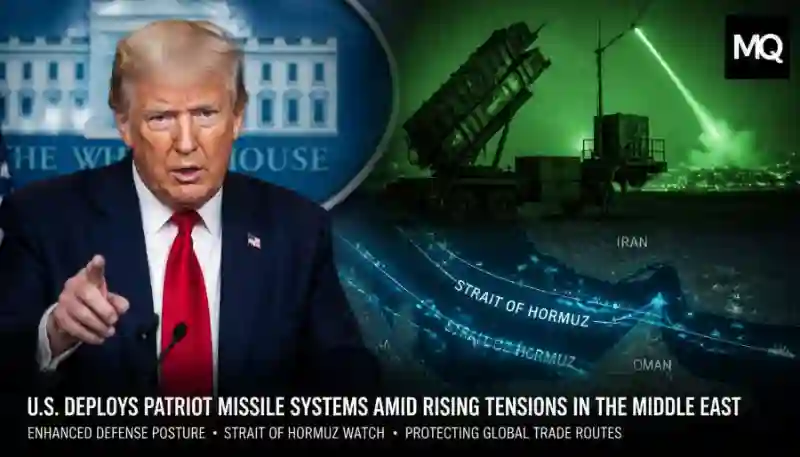
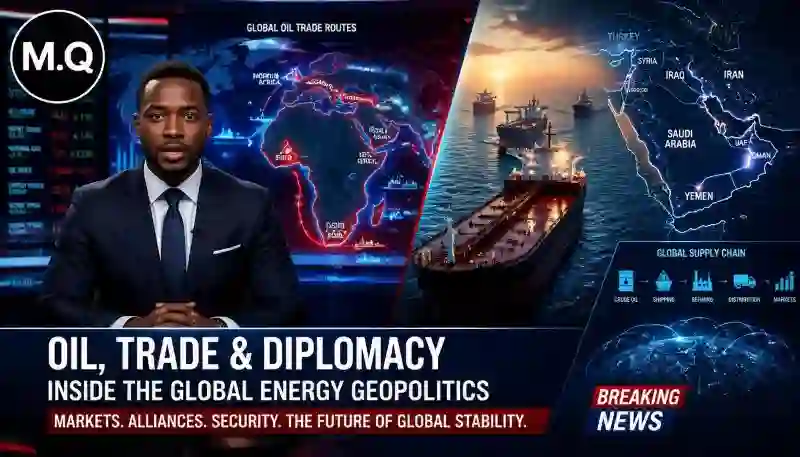
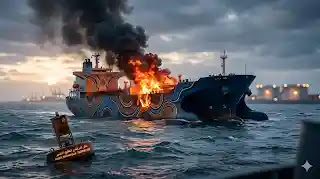
It isn’t just land bases that are under fire. In the Persian Gulf, which is the world’s most important oil highway, things are getting dangerous. Reports show that an oil tanker from Japan was recently targeted and severely damaged. In just a few days, nearly six tankers have been attacked.
Why does this matter to you?
Most of the oil that fuels cars in the US and heats homes in Europe passes through these waters. When a Japanese tanker is hit, insurance companies immediately raise their prices for every ship in the ocean. Businesses pass this insurance surge directly to their customers. So, when you go to the petrol station in London or Los Angeles, you are paying an extra Conflict Tax that wasn’t there last week.
The Domino Effect on Global Prices
You might think, I don’t live in Italy or Japan, so I’m fine. Unfortunately, the global economy doesn’t work like that. It works like a row of dominoes.
- The Spark: A drone or missile hits a base or a tanker.
- The Reaction: Oil traders get scared and start buying up oil at higher prices.
- The Logistics: Shipping companies change their routes to avoid dangerous waters, which takes more time and more fuel.
- The Result: By the time the products reach your local shop in Europe or the US, the price has gone up by 10% or 15%.
This is why we are seeing LPG (gas) shortages and long queues in some regions. Even major powers like the US and the UK are struggling to keep prices stable while these tensions between Iran, Israel, and their allies continue to boil over.
Is the Living Wage Still Possible in 2026?
We recently talked about the Living Wage, but these new attacks make that goal even harder to reach. If you are a worker in Milan or Paris, your Needs (the 50% part of your budget) are growing every day.
- Food Prices: Most farms use a lot of energy and fuel. When oil goes up, the price of a loaf of bread in a European supermarket follows shortly after.
- Heating: With the uncertainty surrounding Italian and European energy security, heating your home this winter could cost 20% more than last year.
- Transport: Commuting to work is becoming a luxury for some families in the US who rely on large vehicles.
What the Experts are Saying
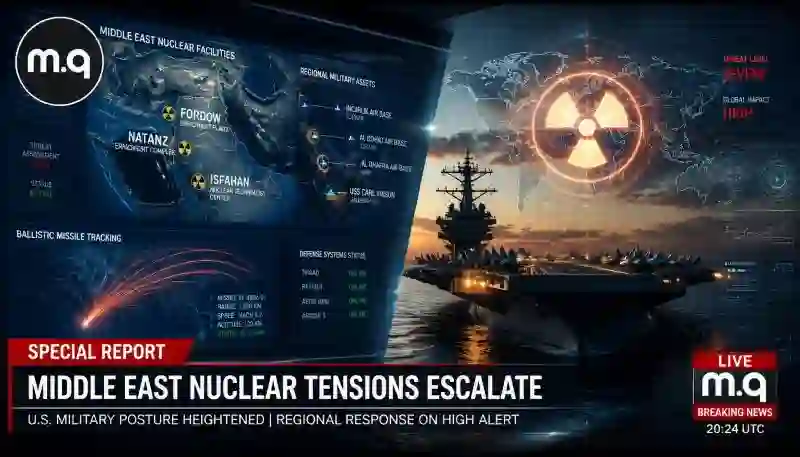
The situation is Red Alert status. Analysts suggest that if the Red Line is crossed and a full-scale war breaks out involving the US, Iran, and Israel, the global economy could face a recession worse than 2008. The Supreme Leaders in the region have warned that any further interference could set the world on fire, and looking at the current energy prices, it feels like the fire has already started.
How Can You Protect Yourself?
In 2026, you cannot rely on the government to freeze prices. You have to be proactive:
- Energy Efficiency: It sounds basic, but in Europe right now, every watt of electricity saved is money in your pocket.
- Financial Buffers: If you have any extra cash, put it into an emergency fund. With the way tankers are being attacked, we might see Price Shocks every few weeks.
- Stay Informed: Don’t just watch the news; understand how it affects your specific region.
The Bottom Line
The attacks in Iraq and the Persian Gulf aren’t just military headlines; they are economic warnings. Whether it’s an Italian base or a Japanese tanker, every explosion adds a few more pounds or dollars to your monthly bills. In 2026, staying financially fit means understanding the global map just as much as your own bank balance.
Frequently Asked Questions (FAQ)
Q1: Why is Italy being targeted in Iraq?
Italy, along with the US and UK, has military bases in Iraq as part of international coalitions. As tensions between Iran and the West rise, these bases become easy targets for local militias and drone strikes.
Q2: Will the Japanese tanker attack stop oil flow to the US?
It won’t stop it completely, but it makes it much more expensive. Ships have to take longer routes or pay massive insurance fees, which increases the final price of petrol at the pump.
Q3: How long will these high energy prices last?
As long as the conflict between Iran, Israel, and the US remains Hot, prices will stay volatile. Markets only calm down when there is a clear peace agreement or a ceasefire.
Q4: Is there a risk of a total gas shortage in Europe?
There is a risk of controlled supply if the situation worsens. This is why many European countries are rushing to find alternative energy sources like green hydrogen or nuclear power.
Q5: What can I do if I can’t afford my bills?
Many countries in Europe have Energy Support Schemes. Check with your local council or energy provider to see if you qualify for any subsidies or fixed-payment plans during this crisis.
Note: This is for educational purposes only. Not financial advice. We are not SEBI-registered.