UK-US Mineral Deal: 5 Key Wins for Britain
- Key Takeaways
- Introduction
- Understanding Critical Minerals and Their Importance
- The New UK-US Critical Minerals Partnership: Key Details
- How This Partnership Will Drive Investment
- Bolstering Supply Chains and Reducing Reliance on China
- Benefits for the Green Energy Transition and Clean Economy
- Opportunities, Challenges and Sustainable Mining Practices
- Frequently Asked Questions (FAQs)
- Conclusion
Key Takeaways
- The UK and US have signed a new Memorandum of Understanding (MoU) to work together on critical minerals, driving investment into mining and processing projects.
- This partnership helps secure supplies of materials needed for electric cars, smartphones, wind turbines, and more, while reducing dependence on any single country, such as China.
- It backs the UK’s Critical Minerals Strategy, creating jobs, supporting clean energy and making Britain more economically resilient.
- Domestic projects, such as lithium extraction in Cornwall, could benefit hugely from increased funding and easier rules.
- Overall, it’s a big step towards a greener, more secure future for industries and everyday life.
Introduction
Imagine turning on your phone, starting your electric car, or even opening your fridge – all these everyday items rely on special materials called critical minerals. These include lithium for batteries, cobalt for strong magnets, copper for wiring, and rare earth elements for electronics and wind turbines. Without them, modern life as we know it would slow down.
For years, the world has faced a problem. Most of these minerals come from just a few places, with one country – China – controlling a huge part of the supply. China handles around 60-90% of the processing and refining for many of these materials. This makes countries like the UK and the US worried about shortages, high prices, or even disruptions if trade gets tricky.
That’s why the news from early February 2026 is so exciting. On 4 February, UK Foreign Office Minister Seema Malhotra and US Under Secretary of State Jacob Helberg signed a new Memorandum of Understanding in Washington, DC. This UK-US critical minerals partnership promises to drive investment and strengthen supply chains for these important materials.
The agreement is simple but powerful. The two countries will work together to find and develop new sources of critical minerals. They will encourage private companies to invest in mining, processing and recycling. They will also make rules faster for new projects and team up to stop unfair trade practices that hurt local industries.
It’s about more than just minerals in the earth. It’s about building a cleaner, stronger economy. The world is moving towards green energy – electric vehicles (EVs), solar panels, wind farms and better batteries. All of these need huge amounts of critical minerals. According to the International Energy Agency (IEA), demand for minerals like lithium could grow many times over in the coming years as countries switch to clean power. The World Bank also notes that global demand for these materials could double by 2040.
For the UK, this partnership comes at the perfect time. The government launched its updated Critical Minerals Strategy (Vision 2035) recently. It sets clear goals: by 2035, no more than 60% of any one critical mineral should come from a single country. The UK wants to produce more at home, especially lithium from places like Cornwall, and recycle more to create a circular economy.
Think about what this means in real life. Your next electric car might have batteries made with lithium mined and processed closer to home, thanks to UK-US cooperation. Factories in Britain could grow, creating thousands of good jobs in mining, engineering and tech. Families in regions like Cornwall or the North East could see new opportunities.
But it’s not only about business. This deal supports national security, too. Countries need reliable supplies for defence equipment, medical devices and everyday tech. Relying too much on one supplier is risky – like putting all your eggs in one basket.
The partnership also fits into bigger global efforts. The US hosted a Critical Minerals Ministerial meeting with over 50 countries around the same time. Many nations want to build fairer, more diverse supply chains. The UK-US MoU is part of that team effort.
In the rest of this article, we’ll explore what the partnership really involves, why critical minerals matter so much, how it will help the green transition, and what it could mean for jobs, investment and daily life in Britain. We’ll look at real examples, share useful facts, and answer common questions. By the end, you’ll see why this new UK-US critical minerals partnership is a game-changer for our future.
Understanding Critical Minerals and Their Importance
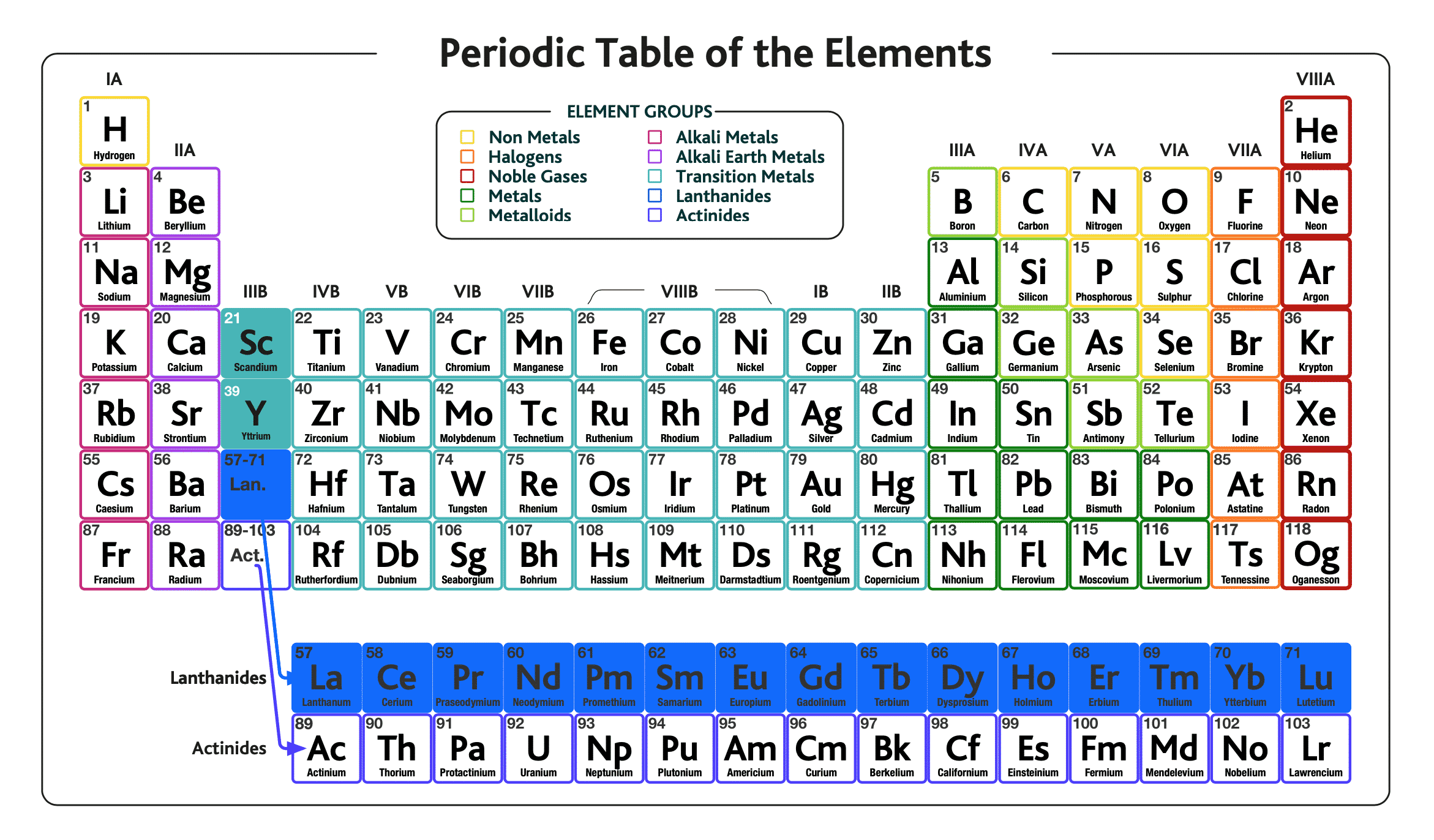
Critical minerals are natural resources that are essential for modern technology and the clean energy shift, but they can be hard to get or concentrated in a few countries. The UK government lists things like lithium, cobalt, graphite, nickel, copper, rare earth elements, and tungsten as key ones.
Why “critical”?
They are vital for:
- Electric vehicles (EVs): Lithium and cobalt in batteries, copper in motors.
- Renewable energy: Rare earths in wind turbine magnets, copper in solar panels and grids.
- Electronics: Smartphones, laptops and fridges need these materials.
- Defence and aerospace: Strong alloys and magnets for planes and weapons.
Without secure supplies, prices go up, projects get delayed, and the move to net zero slows down.
Right now, the supply chain is uneven. China dominates refining – often over 70% for several minerals. This creates risks from price swings or export limits. The new UK-US partnership aims to change that by building stronger, friendlier supply chains between allies.
Practical tip for readers: Next time you buy an EV or a new gadget, check if the company talks about responsible sourcing. More transparent supply chains are coming thanks to deals like this one.
The New UK-US Critical Minerals Partnership: Key Details
Signed on 4 February 2026, the MoU focuses on practical steps:
- Joint investment: Governments will help attract private money into mining and processing projects in both countries.
- Faster approvals: Streamline permits so good projects start quicker.
- Sharing knowledge: Work together on research, recycling and new technologies.
- Fair trade: Push back against subsidised imports that undercut fair competition.
- Global teamwork: Link up with other friendly nations for even stronger chains.
This builds on the UK’s Critical Minerals Strategy and US efforts to secure supplies. It directly supports industries like advanced manufacturing, clean energy and semiconductors.
How This Partnership Will Drive Investment
Investment is the big winner here. The deal sends a clear signal to businesses: the UK and US are open for critical minerals projects.
In the UK, this could mean more funding for sites in Cornwall (lithium and tin), the North East, Wales and Scotland. The National Wealth Fund has already invested in projects like Cornish Lithium. The partnership could bring even more cash from American and international investors.
Realistic trends from global bodies: The IMF and World Bank highlight that countries investing wisely in critical minerals can create jobs and boost growth. For example, responsible mining can add billions to economies while supporting the green transition. The Federal Reserve and similar bodies note that stable supply chains help control inflation in the tech and energy sectors.
Mini Case Study: Cornish Lithium – A British Success Story
Cornwall has some of Europe’s best lithium deposits, found in old mining areas and geothermal waters. Cornish Lithium is leading the way with innovative methods like direct lithium extraction (DLE), which is cleaner and uses less water than traditional mining.
The company has received millions in funding from the UK’s National Wealth Fund. Plans aim for significant production in the coming years – enough to supply a good portion of the UK battery needs. This creates local jobs in engineering, science and operations, while cutting transport emissions by producing closer to home.
With the new UK-US partnership, projects like this can attract more partners, faster finance and shared technology. It turns an old mining region into a hub for the new green economy. Other countries, like Australia (a close UK ally), show how such partnerships can turn mineral wealth into long-term prosperity.
This case proves the strategy works: invest early, use smart tech, and build local skills.
Bolstering Supply Chains and Reducing Reliance on China
One clear goal is diversification. The UK wants no single country supplying more than 60% of any mineral by 2035. The US shares this aim.
By teaming up, the UK and US can:
- Develop new mines and refineries in safe, friendly places.
- Improve recycling – turning old batteries and electronics into new materials.
- Support sustainable mining that respects the environment and local communities.
Example stats: Demand for lithium has risen sharply – up around 30% in recent years – and is set to continue growing rapidly as more EVs hit the road. Copper demand is also rising for electricity grids. Without action, shortages could hit.
The partnership helps by coordinating investment and policy, making supply chains more resilient.
Project Vault & Strategic Reserves: This MoU also aligns with the US’s newly launched “Project Vault”, a $12 billion strategic mineral reserve. For UK investors, this means a more stable market and less price volatility for companies involved in copper and cobalt processing.
Benefits for the Green Energy Transition and Clean Economy
This deal is a boost for net-zero goals. Clean energy needs minerals for batteries (lithium, cobalt, graphite), turbines (rare earths) and grids (copper).
Benefits include:
- Cheaper, more reliable EVs and renewables over time.
- New green jobs in manufacturing and tech.
- Stronger energy security – less worry about foreign disruptions.
- Support for UK industries like car-making and electronics.
It also encourages sustainable practices: lower emissions in mining, better waste handling, and community benefits.
External source: Check the official GOV.UK announcement for full details of the MoU.
Opportunities, Challenges and Sustainable Mining Practices
Opportunities:
- Job creation in regions needing investment.
- Skills training in science, engineering and environmental management.
- Attracting tech companies to set up battery or processing plants in the UK.
Challenges:
- Mining takes time and money.
- Environmental concerns – new projects must meet high standards.
- Need for public support and clear rules.
Practical tips for sustainable practices:
- Companies should use low-impact methods like DLE for lithium.
- Governments can offer incentives for recycling and ethical sourcing.
- Communities can get involved through consultations to ensure local benefits.
Overall, the partnership promotes responsible development that balances growth with care for the planet.
Frequently Asked Questions (FAQs)
What does the UK-US critical minerals partnership mean for ordinary people?
It could lead to more affordable EVs, stable prices for tech gadgets, and new jobs in green industries. Your daily life gets more secure and sustainable.
Will this partnership make electric cars cheaper?
In the long run, yes. More secure supplies mean less price volatility for batteries, which are a big part of EV costs.
How does it reduce reliance on China?
By building alternative sources and processing in the UK, US and allied countries, we create backup options and fairer markets.
What about jobs in the UK?
Expect growth in mining regions like Cornwall and the North East, plus roles in research, recycling and manufacturing.
Is this against China?
No – it’s about building resilient, diverse supply chains. Cooperation on global issues like climate change can continue.
How can I invest or get involved?
Look at funds or companies focused on critical minerals and clean tech. Support local projects and stay informed via government updates.
Trending question: How soon will we see results? Early projects could advance in 2-5 years, with bigger impacts by 2030-2035.
Conclusion
The new UK-US critical minerals partnership is a smart, timely move. It drives investment, strengthens supply chains, supports the green energy transition, and helps Britain reduce risky dependence on single suppliers. From lithium in Cornwall to batteries powering our cars, this deal touches many parts of our lives.
By working together, the UK and US are building economic resilience, creating jobs, and moving faster towards a clean, prosperous future. It shows how international friendship and smart planning can solve big global challenges.
What do you think? Will this partnership make a real difference for the UK? Share your thoughts in the comments below, subscribe for more updates on sustainable energy and the economy, or explore investment opportunities in green tech. Together, we can support a brighter, more secure tomorrow.