The EU’s Manufacturing Surprise: Signs of a Real Recovery Taking Shape in 2026
Key Takeaways
- Germany’s manufacturing sector kicked off 2026 with a surprise rebound in output, reaching growth territory for the first time in months despite ongoing challenges.
- Eurozone manufacturing remains in mild contraction overall, but output has returned to expansion, hinting at uneven but positive momentum.
- Lower ECB interest rates and stabilizing energy costs are supporting cautious optimism, though fragility remains due to weak new orders and job cuts.
- Capital goods demand could strengthen if investment picks up, particularly in defence and infrastructure.
- Research suggests a gradual recovery is possible in 2026, but it depends on sustained demand and geopolitical stability.
Introduction
Imagine this: after years of bad news – factory closures, shrinking orders, and gloomy forecasts – Europe’s manufacturing heart suddenly shows a pulse again. That’s exactly what happened in early 2026. Just when many experts were bracing for more decline, fresh data revealed a surprising twist. In Germany, the engine of European industry, factory output returned to growth in January. Across the Eurozone, production ticked up too, even as overall activity stayed slightly below the no-change mark.
Why does this matter? Manufacturing isn’t just about making things. It employs millions, drives innovation, and acts as a barometer for the wider economy. When factories hum, suppliers, transport firms, and even service businesses benefit. A recovery here could lift Eurozone GDP, ease pressure on jobs, and boost confidence after a tough few years.
This “manufacturing surprise” isn’t a full boom yet. The headline numbers still show contraction in many places. But the details – rising output, better future expectations, and signs of demand in specific areas – suggest something is shifting. Lower interest rates from the European Central Bank (ECB) have made borrowing cheaper, energy prices have stabilized compared to 2022 peaks, and some sectors like defence are seeing extra demand.
This post examines the underlying factors at play. We’ll look at the latest PMI figures, German industrial surprises, ECB policy effects, capital goods trends, and more. Whether you’re an investor, business owner, or simply curious about Europe’s economy, these early 2026 signals are worth understanding. They could mark the start of a broader upturn – or a false dawn. Let’s dive in.
What Is the EU’s “Manufacturing Surprise” in 2026?
The phrase “manufacturing surprise” captures the unexpected positive shift in early 2026 data. For months, Europe’s factories struggled with high costs, weak global demand, and supply chain issues. Many predicted continued pain. Yet January 2026 brought better-than-expected news.
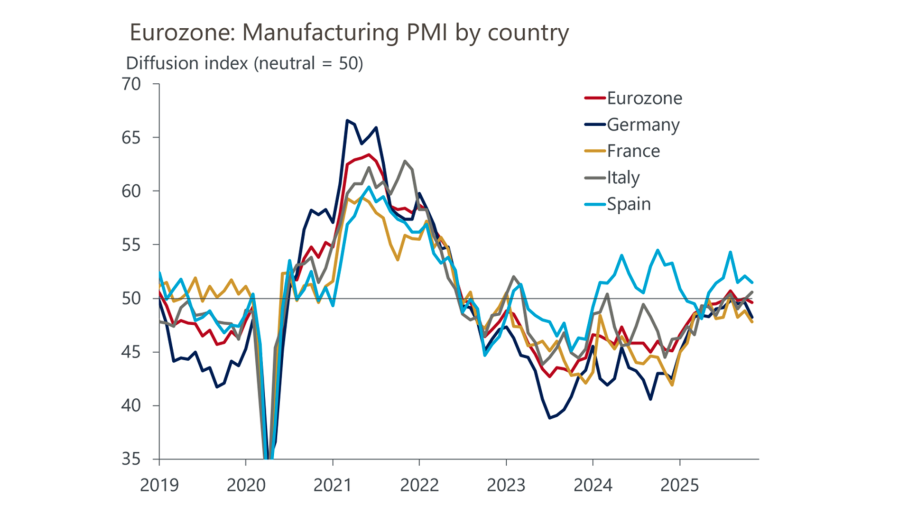
In Germany, the HCOB Manufacturing PMI climbed to 49.1 from 47.0 in December – a three-month high. More importantly, the output sub-index jumped to 51.4, crossing the 50 mark that separates contraction from growth. New orders rose marginally for the first time in three months.
Across the Eurozone, the PMI reached 49.5, up from 48.8. While still in contraction, the output index hit 50.5 – modest growth after months of decline. Countries like Greece (54.2) and France (51.2) expanded, while Germany, Italy, and Spain lagged but showed improvement.
This isn’t dramatic, but it’s a surprise because it bucks the trend. Economists note fragility – employment keeps falling, and input costs are rising fast. Still, optimism about future output hit a seven-month high in Germany, driven by hopes of new products and investment.
German Industrial Production: Leading the Way
Germany often sets the tone for Europe. After a rough 2025, early 2026 data suggest a turnaround. November data showed an unexpected 0.8% monthly rise in industrial production, supported largely by a sharp 7.8% increase in car output. Orders also srosewith a 5.6% rise.
The January PMI reinforces this. Output growth returned after a brief December dip. Export orders weakened less, and firms are clearing backlogs. Some manufacturers mention pivoting to defence-related work amid higher government spending.
Challenges remain. Input prices hit a 37-month high due to energy and metals costs. Job cuts continue as firms streamline after years of weak demand. Yet the rebound in output and optimism points to potential stabilization.

Eurozone Manufacturing PMI 2026: The Latest Picture
The Eurozone PMI tells a mixed story. At 49.5 in January, the sector contracts for the third month running. But output growth is encouraging, and job losses slowed to the weakest in over two years. New orders still fell, though less sharply.
Divergence stands out: southern countries like Greece and Spain perform better in some metrics, while Germany and Italy lag. Input price inflation reached a three-year high, but output prices barely changed.
Analysts say progress is slow, and there’s no guarantee of sustained recovery without stronger demand. Still, confidence is at its highest since early 2022.
ECB Interest Rates: A Key Support for Recovery
The ECB kept rates steady at 2.15% into 2026, after earlier cuts. This helps manufacturers by keeping borrowing costs reasonable. Lower rates reduce pressure on investment and help manage debt.
However, inflation risks linger. Input costs rose sharply in January. The ECB projects 1.9% inflation in 2026, close to the target. Markets expect rates to hold or even rise later if needed. Stable rates support recovery by encouraging spending on capital goods.
Capital Goods Demand in Europe: A Bright Spot Ahead?
Capital goods – machinery, equipment, production vehicles – are crucial for long-term growth. Early 2026 shows cautious optimism. Global capex could accelerate beyond AI, benefiting European suppliers. Defence and infrastructure spending may drive demand.
Forecasts vary, but some sectors expect improvement in 2026. If businesses invest more, capital goods firms could see orders rise. This ties into the manufacturing rebound: higher output often requires new equipment.
Mini Case Study: Germany’s Manufacturing Pivot
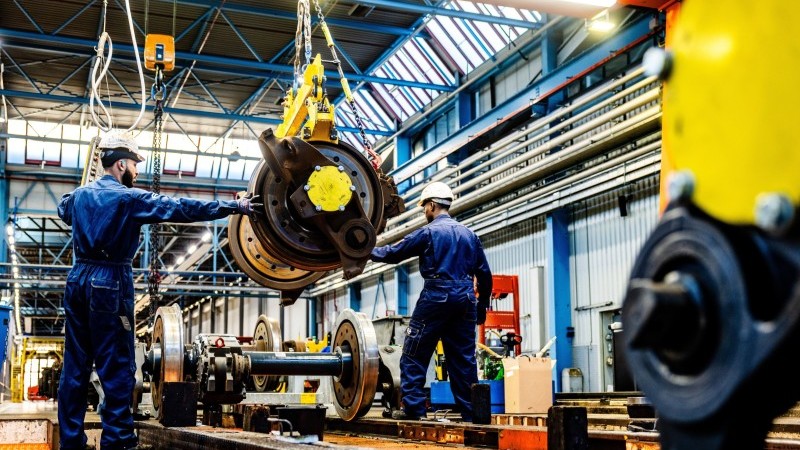
Germany’s manufacturing story in 2026 offers a real-world example. After years of contraction, firms are adapting. One bright area is defence production. Geopolitical tensions have led to higher public spending on military goods. Manufacturers mention opportunities to shift capacity here.
This pivot helps clear backlogs and supports output growth. Companies that streamlined during tough times are better placed for demand upticks. While fragile, it shows how targeted demand can spark recovery in a key economy.
Conclusion
The EU’s manufacturing surprise in 2026 is real but cautious. Germany’s output rebound, Eurozone improvements, and supportive ECB policy offer hope. Challenges like costs and weak orders remain, but early signs point to a gradual recovery.
Stay informed on PMI releases and ECB decisions. If you found this helpful, share your thoughts below or subscribe for more economic updates.
FAQs
Is EU manufacturing recovering in 2026?
Early data show positive signs, especially in output, but full recovery depends on demand.
What is the latest Eurozone Manufacturing PMI?
49.5 in January 2026, with output at 50.5 indicating modest growth.
How do ECB rates affect manufacturing?
Stable or lower rates reduce costs and support investment.
What drives capital goods demand in Europe?
Infrastructure, defence, and potential capex upturn.
Will German industry lead Europe in 2026?
It’s showing the strongest early rebound, but divergence persists.