- Feb 25: Why Nvidia’s Earnings Are the Only Thing That Matters Right Now
- The $65 Billion Question
- Blackwell: The New King on the Block
- The 800-Pound Gorilla in the Room: China
- Why Is the Stock So Bumpy?
- Margins: The Secret Sauce
- The “Jensen” Factor
- My Take (The Honest Conclusion)
- NVIDIA Q4 Earnings: Frequently Asked Questions
Feb 25: Why Nvidia’s Earnings Are the Only Thing That Matters Right Now
I’ve been staring at the markets for a while, and it’s rare to see a single company hold the entire world’s breath. But that’s exactly where we are with Nvidia. On February 25, 2026, when the closing bell rings, Jensen Huang will step up and tell us whether the AI dream is still alive or if we’ve all been chasing a ghost.
If you’ve been following my posts, you know I don’t like the suit-and-tie finance talk. So, let’s break down this massive earnings report like we’re having a coffee.
I’ve been staring at the markets for a while, and it’s rare to see a single company hold the entire world’s breath. But that’s exactly where we are with Nvidia. On February 25, 2026, when the closing bell rings, Jensen Huang will step up and tell us whether the AI dream is still alive or if we’ve all been chasing a ghost.
If you’ve been following my posts, you know I don’t like the suit-and-tie finance talk. So, let’s break down this massive earnings report like we’re having a coffee.
The $65 Billion Question
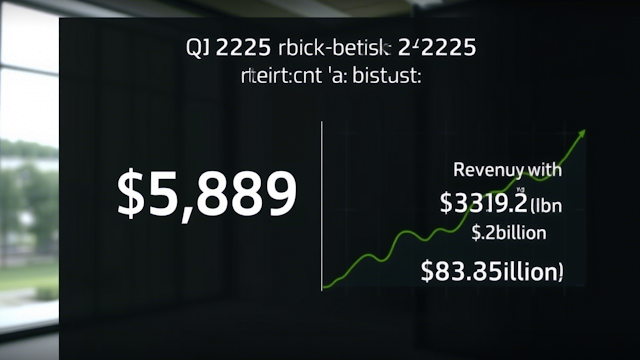
The numbers being thrown around are mental. Analysts expect Nvidia to report revenue of about $65.7 billion in just three months. To be fair, that’s more than the GDP of some small countries. It’s a 67% jump from last year. Straight up—if any other company reported that, people would think the spreadsheet was broken. But for Nvidia? It’s just another Wednesday.
The real pressure isn’t just hitting that number. It’s about the “streak.” NVIDIA has beaten expectations for 13 quarters in a row. That’s like a striker scoring in every single game for three years. The moment they miss, even by a little bit, the market is going to freak out.
The numbers being thrown around are mental. Analysts expect Nvidia to report revenue of about $65.7 billion in just three months. To be fair, that’s more than the GDP of some small countries. It’s a 67% jump from last year. Straight up—if any other company reported that, people would think the spreadsheet was broken. But for Nvidia? It’s just another Wednesday.
The real pressure isn’t just hitting that number. It’s about the “streak.” NVIDIA has beaten expectations for 13 quarters in a row. That’s like a striker scoring in every single game for three years. The moment they miss, even by a little bit, the market is going to freak out.
Blackwell: The New King on the Block
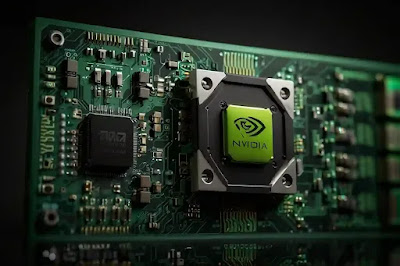
The biggest thing everyone is talking about is “Blackwell.” This is Nvidia’s new chip architecture (the B200 and GB200). Think of it like this: if the previous chips were fast, these are like moving from a bicycle to a rocket ship.
Jensen Huang famously said that Blackwell demand is “off the charts.” But here’s the catch—knowing there’s demand is one thing, but actually delivering the chips is another. Investors are losing sleep over supply chain bottlenecks. They want to know if TSMC (the guys who actually bake the chips) can keep up. If Jensen says there’s a delay in the Blackwell ramp-up, the stock might take a hit. But if he says they’re shipping faster than expected? Well, buckle up.
The biggest thing everyone is talking about is “Blackwell.” This is Nvidia’s new chip architecture (the B200 and GB200). Think of it like this: if the previous chips were fast, these are like moving from a bicycle to a rocket ship.
Jensen Huang famously said that Blackwell demand is “off the charts.” But here’s the catch—knowing there’s demand is one thing, but actually delivering the chips is another. Investors are losing sleep over supply chain bottlenecks. They want to know if TSMC (the guys who actually bake the chips) can keep up. If Jensen says there’s a delay in the Blackwell ramp-up, the stock might take a hit. But if he says they’re shipping faster than expected? Well, buckle up.
The 800-Pound Gorilla in the Room: China
Now, let’s talk about the messy part. Politics.
China has always been a huge buyer for Nvidia, but the US government has basically put a giant “DO NOT SELL” sign on the high-end chips. To make it worse, Beijing is now telling Chinese companies to stop buying the H200 chips.
It’s a proper headache. On one side, you’ve got Washington blocking sales, and on the other, you’ve got Beijing retaliating. NVIDIA has been trying to sell “watered-down” versions of its chips to China to stay in the game, but it’s a tightrope walk. If China’s revenue drops to zero, it’s a massive hole to fill. Keep a close eye on what is said about the “H20” orders—that’s the real wildcard here.
Now, let’s talk about the messy part. Politics.
China has always been a huge buyer for Nvidia, but the US government has basically put a giant “DO NOT SELL” sign on the high-end chips. To make it worse, Beijing is now telling Chinese companies to stop buying the H200 chips.
It’s a proper headache. On one side, you’ve got Washington blocking sales, and on the other, you’ve got Beijing retaliating. NVIDIA has been trying to sell “watered-down” versions of its chips to China to stay in the game, but it’s a tightrope walk. If China’s revenue drops to zero, it’s a massive hole to fill. Keep a close eye on what is said about the “H20” orders—that’s the real wildcard here.
Why Is the Stock So Bumpy?
You might have noticed that Nvidia’s stock has been a bit of a rollercoaster lately. It hit a high of $212 last October but has been hovering around $191 recently. Why? Because people are scared of a bubble.
Investors want proof that the big guys—Microsoft, Google, Meta, and Amazon—are actually making money from all this AI stuff. These four companies are planning to spend a mind-blowing $650 billion on AI infrastructure this year. That’s the “tide that lifts Nvidia’s boat.” As long as the Big Tech giants keep writing those fat cheques, Nvidia stays winning. But the moment Microsoft says, “Hey, maybe we don’t need 50,000 more GPUs this month,” the party might end.
You might have noticed that Nvidia’s stock has been a bit of a rollercoaster lately. It hit a high of $212 last October but has been hovering around $191 recently. Why? Because people are scared of a bubble.
Investors want proof that the big guys—Microsoft, Google, Meta, and Amazon—are actually making money from all this AI stuff. These four companies are planning to spend a mind-blowing $650 billion on AI infrastructure this year. That’s the “tide that lifts Nvidia’s boat.” As long as the Big Tech giants keep writing those fat cheques, Nvidia stays winning. But the moment Microsoft says, “Hey, maybe we don’t need 50,000 more GPUs this month,” the party might end.
Margins: The Secret Sauce
Straight up, I don’t usually get excited about “gross margins,” but for Nvidia, it’s the story beneath the story. They want to get back to the “mid-70s”—meaning for every dollar they spend, they want to keep 75 cents as profit.
Last year, their margins dipped a bit because starting a new chip line (like Blackwell) is expensive. If they can show that the costs are coming down and their pricing power is still there, it proves they have no real competition. AMD and Intel are trying to catch up, but right now, it’s like bringing a knife to a gunfight.
Straight up, I don’t usually get excited about “gross margins,” but for Nvidia, it’s the story beneath the story. They want to get back to the “mid-70s”—meaning for every dollar they spend, they want to keep 75 cents as profit.
Last year, their margins dipped a bit because starting a new chip line (like Blackwell) is expensive. If they can show that the costs are coming down and their pricing power is still there, it proves they have no real competition. AMD and Intel are trying to catch up, but right now, it’s like bringing a knife to a gunfight.
The “Jensen” Factor
At 5 p.m. ET on Wednesday, Jensen Huang will get on a call. Honestly, what he says about the future (the Q1 2027 guidance) matters way more than what happened in the past quarter. Wall Street is expecting him to promise $75 billion for the next quarter.
If he sounds confident, the whole market rallies. If he sounds even slightly nervous—or if he uses too much “corporate speak” to dodge questions about Rubin (the next-gen chip after Blackwell)—the bears will come out to play.
At 5 p.m. ET on Wednesday, Jensen Huang will get on a call. Honestly, what he says about the future (the Q1 2027 guidance) matters way more than what happened in the past quarter. Wall Street is expecting him to promise $75 billion for the next quarter.
If he sounds confident, the whole market rallies. If he sounds even slightly nervous—or if he uses too much “corporate speak” to dodge questions about Rubin (the next-gen chip after Blackwell)—the bears will come out to play.
My Take (The Honest Conclusion)
Look, we’re living through a massive shift. NVIDIA is the electricity meter for the AI age. When the meter spins fast, it means the world is building the future.
But don’t get blinded by the hype. The next three years are going to be messy. We’ve got debt issues, geopolitical tension, and a lot of companies “faking it until they make it” with AI. NVIDIA is a beast, but even beasts have to breathe sometimes.
Whether you own the stock or you’re just watching from the sidelines, February 25 is the “moment of truth.” Watch the guidance, watch the margins, and for heaven’s sake, watch what they say about China.
Look, we’re living through a massive shift. NVIDIA is the electricity meter for the AI age. When the meter spins fast, it means the world is building the future.
But don’t get blinded by the hype. The next three years are going to be messy. We’ve got debt issues, geopolitical tension, and a lot of companies “faking it until they make it” with AI. NVIDIA is a beast, but even beasts have to breathe sometimes.
Whether you own the stock or you’re just watching from the sidelines, February 25 is the “moment of truth.” Watch the guidance, watch the margins, and for heaven’s sake, watch what they say about China.
NVIDIA Q4 Earnings: Frequently Asked Questions
Q: Nvidia ka result kab aa raha hai aur kyun itna halla macha hai?
NVIDIA apne Q4 2026 ke results Wednesday, 25 February ko market band hone ke baad dikhayega. Halla isliye hai kyunki poori duniya ki AI economy is par tiki hai. Agar Nvidia ne achha perform kiya toh baaki tech stocks bhi upar jayenge, warna market thoda thanda ho sakta hai.
Q: Blackwell chips kya hain aur log inke peeche pagal kyun hain?
Blackwell Nvidia ki nayi GPU architecture hai. Ye purane chips se bahut zyada fast aur energy-efficient hain. Companies ko AI train karne ke liye yehi chips chahiye, isliye inki demand “sold out” chal rahi hai. Investors dekhna chahte hain ki ye chips kitni jaldi customer tak pahunch rahe hain.
Q: Kya China ki wajah se Nvidia ko nuksan hoga?
Haan, China ek bada wildcard hai. US ne high-end chips par ban laga rakha hai aur Beijing bhi ab retaliate kar raha hai. Halanki Nvidia ne China ke liye special chips (H20) banaye hain, par wahan se aane wala paisa ab pehle jaisa nahi raha. Ye Nvidia ke liye sabse bada geopolitical risk hai.
Q: Nvidia ke ‘Gross Margins’ ka kya matlab hai?
Seedhi bhasha mein kahein toh—munaafa. Nvidia chahta hai ki unka margin 75% ke aas-paas rahe. Iska matlab hai ki har $100 ki sale par woh $75 bacha sakein. Agar margins girte hain, toh iska matlab hai ki unhe competition mil raha hai ya production mehengi ho gayi hai.
Q: Kya Nvidia ka stock abhi kharidna sahi hai?
Look, main koi financial advisor nahi hoon, par analysts ka man-na hai ki Nvidia abhi bhi “under-valued” ho sakta hai agar AI boom aise hi chalta raha. Par yaad rakhna, earnings report ke waqt stock bahut zyada upar-neeche (volatile) hota hai, toh soch-samajh kar hi enter karna.
Q: Nvidia ka result kab aa raha hai aur kyun itna halla macha hai?
NVIDIA apne Q4 2026 ke results Wednesday, 25 February ko market band hone ke baad dikhayega. Halla isliye hai kyunki poori duniya ki AI economy is par tiki hai. Agar Nvidia ne achha perform kiya toh baaki tech stocks bhi upar jayenge, warna market thoda thanda ho sakta hai.
Q: Blackwell chips kya hain aur log inke peeche pagal kyun hain?
Blackwell Nvidia ki nayi GPU architecture hai. Ye purane chips se bahut zyada fast aur energy-efficient hain. Companies ko AI train karne ke liye yehi chips chahiye, isliye inki demand “sold out” chal rahi hai. Investors dekhna chahte hain ki ye chips kitni jaldi customer tak pahunch rahe hain.
Q: Kya China ki wajah se Nvidia ko nuksan hoga?
Haan, China ek bada wildcard hai. US ne high-end chips par ban laga rakha hai aur Beijing bhi ab retaliate kar raha hai. Halanki Nvidia ne China ke liye special chips (H20) banaye hain, par wahan se aane wala paisa ab pehle jaisa nahi raha. Ye Nvidia ke liye sabse bada geopolitical risk hai.
Q: Nvidia ke ‘Gross Margins’ ka kya matlab hai?
Seedhi bhasha mein kahein toh—munaafa. Nvidia chahta hai ki unka margin 75% ke aas-paas rahe. Iska matlab hai ki har $100 ki sale par woh $75 bacha sakein. Agar margins girte hain, toh iska matlab hai ki unhe competition mil raha hai ya production mehengi ho gayi hai.
Q: Kya Nvidia ka stock abhi kharidna sahi hai?
Look, main koi financial advisor nahi hoon, par analysts ka man-na hai ki Nvidia abhi bhi “under-valued” ho sakta hai agar AI boom aise hi chalta raha. Par yaad rakhna, earnings report ke waqt stock bahut zyada upar-neeche (volatile) hota hai, toh soch-samajh kar hi enter karna.
Note: This is for educational purposes only. Not financial advice. We are not SEBI-registered.