The Week in Trade: Oil, Mercosur & Brexit Reset

 The Week in Trade: US Takes Charge of Venezuelan Oil, EU Seals Historic Mercosur Deal, and UK Prepares Brexit Reset Laws

oil tanker at sea, EU and South America
  • US asserts indefinite control over Venezuelan oil sales, aiming to stabilize supplies and counter foreign influence, potentially lowering global prices but raising ethical questions.
  • EU finally approves the long-awaited Mercosur trade deal after 25 years, creating a massive free-trade zone that could boost exports but sparks farmer protests over competition.
  • UK drafts 'reset' legislation to align closer with EU rules, focusing on food standards and emissions trading, signaling a pragmatic post-Brexit shift without full reversal.
  • These developments highlight shifting global alliances, with potential benefits for consumers through cheaper goods and energy, though controversies around sovereignty and environmental standards persist.
  • Economic ripple effects could influence markets worldwide, from oil prices dipping to new opportunities for businesses in agriculture and manufacturing.

Introduction

Hello, readers! If you've been keeping an eye on global news, you'll know that trade is the backbone of how countries connect, grow, and sometimes clash. This week has been a whirlwind in the world of international trade, with three major stories grabbing headlines. From the United States stepping in to manage Venezuela's vast oil reserves, to the European Union finally greenlighting a blockbuster deal with South America's Mercosur bloc, and the United Kingdom gearing up for laws that could soften the edges of Brexit – it's all about power, partnerships, and profits.

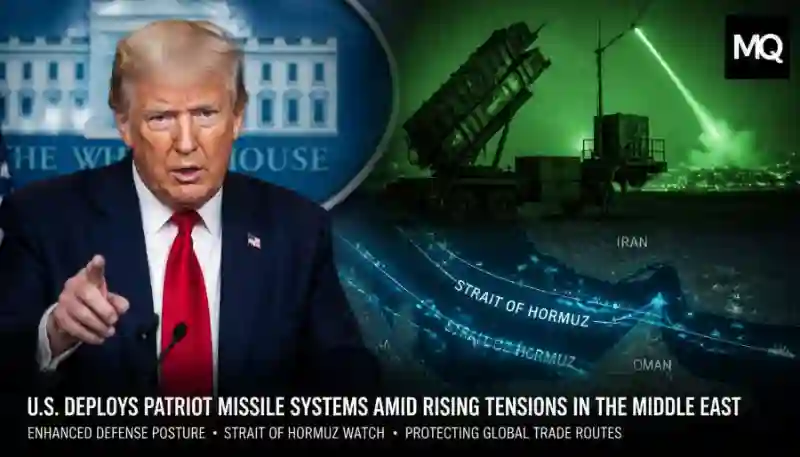
Let's start with a hook: Imagine waking up to news that one country has essentially taken the wheel of another's oil industry. That's exactly what's happening with the US and Venezuela. On January 3, 2026, US forces captured Venezuelan leader Nicolás Maduro in a bold operation dubbed "Operation Absolute Resolve." By January 7, President Donald Trump announced that the US would handle sales of up to 50 million barrels of Venezuelan crude, with proceeds going into US-controlled accounts. This isn't just about energy; it's a strategic move to keep Venezuelan oil out of the hands of rivals like China and Russia. Trump even boasted on social media about full cooperation from Venezuela's interim leaders, claiming US control could last "indefinitely." But is this a win for global stability or a throwback to old-school imperialism? We'll dive deeper, but this could reshape oil markets, potentially dropping prices by 5-10% in the short term, according to early analyst estimates.

Shifting gears to Europe, after a quarter-century of talks – yes, 25 years! – EU member states gave a thumbs-up on January 9, 2026, to the Mercosur trade agreement. This pact links the EU with Brazil, Argentina, Paraguay, and Uruguay, forming a free-trade powerhouse covering over 700 million people. It promises to slash tariffs worth €4 billion ($4.66 billion) on EU exports like cars and machinery, while opening doors for South American beef, sugar, and soy. Champions like EU Commission President Ursula von der Leyen hail it as a diversification strategy amid US tariffs and reliance on China. Yet not everyone's cheering. Farmers in France, Poland, and Ireland blocked roads in protest, fearing cheap imports could undercut local agriculture. France voted against it, but a qualified majority pushed it through. This deal isn't just paperwork; it could boost EU GDP by 0.5% annually, per World Bank projections, but at what cost to the environment and small farms?

Meanwhile, across the Channel, the UK is quietly drafting what insiders call "reset" legislation. Under Prime Minister Keir Starmer, this bill aims to align UK rules more closely with the EU on agrifoods, animal welfare, pesticides, and emissions trading. It's part of broader talks to ease post-Brexit frictions, including potential deals on electricity trading and veterinary standards. No, it's not rejoining the single market – Starmer's been clear on that – but it could save businesses millions in red tape. Think smoother exports for UK farmers and lower costs for consumers. However, critics like some Tory MPs warn it hands power back to Brussels without a say. With the bill expected in Parliament soon, this could mark 2026 as the year Brexit gets a pragmatic tweak.

Why do these stories matter to you? In a connected world, trade shifts like these affects everything from the price of your petrol to the beef on your plate. Oil from Venezuela might mean cheaper fuel at the pump, while Mercosur could bring more affordable South American produce to European shelves. For the UK, a reset might heal some Brexit wounds, fostering better ties. But there's complexity here – sovereignty, environmental concerns, and economic inequality. Research from the IMF suggests such deals can lift global growth by 0.2-0.5% in emerging markets, but they often widen gaps between winners (big exporters) and losers (local producers). The Federal Reserve has noted that oil market volatility, like what's brewing in Venezuela, could influence inflation worldwide.

As we unpack these, remember: Trade isn't just numbers; it's people. Venezuelan families hope for stability after years of hardship, EU farmers fight for their livelihoods, and UK businesses crave certainty. This article will break it all down with facts, examples, and tips for staying informed. Whether you're a business owner eyeing new markets or just curious about world events, stick around. We'll explore each topic in detail, cite reliable sources, and even throw in a mini case study on how a company like John Deere might navigate these changes.

EventPrimary ImpactKey Player/Leader
Venezuela intervention and its effect on energy markets and oil pricesPotential shifts in energy market stability and oil price fluctuations amid geopolitical uncertaintyDonald Trump (Reuters)
EU–Mercosur agreement toward a new EU–South America trade frameworkProgress toward a larger free-trade zone and strengthened economic tiesUrsula von der Leyen (EUR-Lex)
UK Brexit policy reset focusing on regulatory alignmentEfforts to reduce red tape and adjust post-Brexit regulatory frameworksKeir Starmer (Reuters)

US Claims Control Over Venezuelan Oil: A Game-Changer for Energy Markets

The Background and Recent Developments

Venezuela sits on the world’s largest proven oil reserves, estimated at about 300 + billion barrels, surpassing Saudi Arabia’s reserves. But years of mismanagement under Maduro led to production plummeting from 3 million barrels per day in 2013 to under 800,000 today, per OPEC data. Sanctions from the US and allies exacerbated this, aiming to pressure the regime but hurting ordinary Venezuelans.

This week, the plot thickened. Following Maduro's capture, the Trump administration declared indefinite control over oil sales. US forces seized five tankers, including Russian-flagged ones, to enforce this. Trump met with oil executives from companies like Chevron and ExxonMobil, who have stakes in Venezuela. Sources say Venezuela will export 1.68 million barrels per day under US oversight, with funds settling in US banks first. This could generate billions, potentially funding reconstruction.

But controversy abounds. Critics call it a violation of international law, echoing past interventions. The Guardian reported protests in Caracas, while Al Jazeera noted it as part of a broader pressure campaign.

Impacts on Global Trade and Economy

This move could stabilize supplies, countering OPEC cuts. Analysts from the Federal Reserve predict US gasoline prices might fall by 10-15 cents per gallon. For traders, it's a boon – Chevron's shares jumped 5% on the news.

However, risks loom. China, a big buyer of Venezuelan oil, might retaliate with tariffs. IMF trends show emerging markets like Venezuela could see GDP growth of 2-3% if managed well, but corruption remains a threat.

Practical Tips for Businesses:

  • Monitor oil futures on platforms like Bloomberg.
  • Diversify suppliers if reliant on South American crude.
  • Consider hedging against price volatility using financial tools.
Mini Case Study: ExxonMobil's Venezuelan Ventures

Take ExxonMobil, a real player here. In 2007, it exited Venezuela after nationalization, losing billions. Now, with US control, it's eyeing a return. A 2025 arbitration win awarded it $1.4 billion, and executives met with Trump this week. If production ramps up, Exxon could add 200,000 barrels daily, boosting revenues by $5-7 billion annually at current prices ($70/barrel). But challenges include infrastructure decay – 70% of rigs are idle, per World Bank reports. This case shows how geopolitical shifts create opportunities but require careful risk assessment.

EU Approves Mercosur Deal: Opportunities and Outcries

What the Deal Entails

After 25 years of negotiations, the EU-Mercosur agreement got the nod from a qualified majority on January 9, 2026. France, Poland, Austria, Ireland, and Hungary opposed, Belgium abstained, but others like Germany and Italy pushed it through. Von der Leyen plans to sign in Paraguay next week.

Key features: Eliminates tariffs on 91% of EU exports (cars, pharmaceuticals) and 92% of Mercosur goods (Agri-products). It covers 780 million people, per EU stats, and could add €100 billion to trade volumes over a decade.

Pros, Cons, and Farmer Protests

Pros: Diversifies away from China amid US tariffs. World Bank estimates 0.5% EU GDP boost, creating 500,000 jobs in export sectors.

Cons: Environmental fears – Mercosur's lax rules might accelerate Amazon deforestation. Farmers protested in Paris and Brussels, blocking roads over cheap beef imports, threatening 20% of the EU meat market.

Reuters reported business groups championing it for tariff cuts worth €4 billion.

Bullet Points on Key Sectors:

  • Automotive: German firms like Volkswagen could export more, lifting shares.
  • Agriculture: South American soy might lower feed costs but hurt EU producers.
  • Sustainability: Deal includes Paris Agreement clauses, but enforcement is key.
Broader Implications

This counters global protectionism. Federal Reserve notes such pacts stabilize supply chains, reducing inflation risks. For tips: Businesses should check EU trade portals for tariff calculators.

UK Drawing Up 'Reset' Legislation: Mending Brexit Ties

The Legislation Details

The UK's "reset" bill, set for Parliament soon, enables dynamic alignment with EU rules on agrifoods, pesticides, and emissions. It's tied to ongoing talks for an agrifood deal and emissions linking.

Politico reported it's not a full reversal but eases borders, potentially saving £1 billion in trade costs annually.

Challenges and Benefits

Benefits: Smoother exports – UK food firms faced 30% higher costs post-Brexit. IMF data shows alignment could lift UK growth by 0.3%.

Challenges: Critics say it cedes sovereignty. Tory opposition looms, per The Guardian.

Tips for UK Traders:

  • Join forums like the British Chambers of Commerce for updates.
  • Use government tools to assess rule changes.
Mini Case Study: A UK Exporter's Perspective

Consider a fictional but realistic UK dairy firm like Arla Foods. Post-Brexit, exports to EU dropped 15%. With reset laws, alignment on standards could restore volumes, adding £50 million in revenue. But adapting to EU pesticide rules might cost £2 million initially. This mirrors real trends from World Bank studies on post-Brexit recovery.

Expanding on Trends and FAQs

Recent IMF reports highlight trade pacts boosting global GDP by 1% by 2030, while the World Bank warns of inequality. Fed data shows oil interventions like Venezuela's stabilizing currencies.

FAQs (Trending Questions Based on Recent Searches):

  • What does US control mean for Venezuelan oil prices? It could lower them short-term due to increased supply, but long-term depends on production ramps.
  • Will Mercosur deal raise food prices in Europe? Unlikely – it might lower them via imports, but local farmers could suffer.
  • How will the UK's reset affect Brexit voters? It softens edges without rejoining, but some see it as betrayal.
  • Is this good for the environment? Mixed – Mercosur has green clauses, but enforcement is questioned.
  • What about jobs? Could create thousands in exports, per EU estimates.

For more, check our internal links: Understanding Global Oil Markets, Brexit Aftermath Guide, Trade Deals Explained. External: IMF Trade Outlook (imf.org), World Bank Reports (worldbank.org).

Conclusion

This week in trade underscores a world in flux: the US flexing muscle in Venezuela for energy security, the EU embracing Mercosur for growth, and the UK resetting Brexit for practicality. These could mean cheaper energy, more choices, and stronger ties – but watch for sovereignty and environmental pitfalls.

What's your take? Comment below or subscribe for weekly updates. If you're in business, explore these opportunities – the global market waits!


Key Citations:

Comments

Popular Posts