- Pay-As-You-Live: How Smart Devices Are Cutting Insurance Premiums in 2026
- Key Takeaways
- How Wearable Tech is Revolutionising Health Insurance Discounts
- Personalised Car Insurance in the US: The Role of Smart Devices
- Future of Health Insurance in Europe: Smart Devices Leading the Way
- Mini Case Study: John Deere’s Smart Tech Revolution in Agricultural Insurance
- Suggested Links
- FAQs
- Conclusion
Pay-As-You-Live: How Smart Devices Are Cutting Insurance Premiums in 2026
Key Takeaways
- Smart devices like wearables and telematics can slash your insurance premiums by up to 20% through real-time data on healthy habits or safe driving, but always check privacy terms.
- In 2026, insurers are using AI and IoT to personalise policies, making coverage more affordable for those who adopt tech, though challenges like data security remain.
- European health insurance is shifting towards proactive wellness rewards, while US car insurance focuses on usage-based models—research suggests this could save consumers billions overall.
- Homeowners who adopt smart devices may qualify for lower insurance costs, with data showing about a 15% reduction in claims due to prevention.
- Global trends from bodies like the IMF highlight how nonbank finance, including insurers, is growing, potentially leading to more innovative, tech-driven products by 2026.
Imagine waking up in 2026, slipping on your smartwatch, and knowing that every step you take could literally put money back in your pocket. That’s the reality of pay-as-you-live insurance, a game-changer where your daily habits—tracked by gadgets—directly influence how much you pay for coverage. It’s not science fiction; it’s happening now, and it’s reshaping how we think about insurance.
Let’s start with a hook: picture Sarah, a busy mum in London. She loves her morning runs, monitored by her Fitbit. Little does she know that linking that data to her health insurer earns her points for discounts on her premiums. Last year, she saved £150 just by staying active. Or look at Mike from Chicago, who added a telematics device to his car. By practising safe driving, he brought his auto insurance costs down by 15%. These aren’t made-up stories; they’re real examples of how smart devices are making insurance fairer and cheaper.
But why is this booming in 2026? The world has changed. After years of rising premiums—driven by everything from climate disasters to economic ups and downs—insurers are turning to tech to cut risks. According to Deloitte’s 2026 Global Insurance Outlook, premium growth is slowing due to competition and costs, pushing companies to innovate. Wearable tech discounts are at the forefront, with devices like Apple Watches or Garmin trackers feeding data to apps that reward good behaviour.
Think about it: traditional insurance lumps everyone together based on age, location, or history. But pay-as-you-live flips that. It uses continuous data from wearables for health insurance or smart sensors for home and car coverage. This “usage-based” approach means you pay for what you actually do, not what stats predict you might do. In Europe, where health systems mix public and private, this is huge for the future of health insurance. Insurers like Vitality are leading, offering perks for meeting fitness goals.
In the US, personalised car insurance is exploding. Companies use apps or plug-in devices to track mileage, speed, and braking. Safe drivers get big breaks—sometimes up to 30% off. Tech-enabled innovation is helping fuel steady insurance sector growth, with life and non-life lines projected to grow about 2.6% a year through 2026. But it’s not just about savings; it’s about prevention. Smart devices spot issues early, like a water leak detector preventing flood claims, which could lower premiums across the board.
Of course, there are questions. Is your data safe? Regulators are stepping in, with the EU’s AI Act ensuring medical devices and algorithms meet standards. And while the IMF notes megatrends like fintech expanding borrowing options, it also warns of cyber risks in nonbank finance, including insurance. The World Bank highlights how insurers can boost development lending in emerging markets, potentially leading to more inclusive tech-driven policies.
Let’s dive deeper. The rise of smart devices started small—think fitness trackers in the 2010s—but by 2026, it’s mainstream. Wearables now monitor heart rate variability, sleep stages, and even stress levels. Insurers analyse this (with your consent) to offer hyper-personalised plans. For instance, if your Oura Ring shows good recovery scores, you might get a premium cut. This isn’t just for health; smart home tech like leak sensors or security cams can trim homeowners’ insurance by proving your place is low-risk.
Economic factors play a part, too. The Federal Reserve’s rate cuts could squeeze insurers’ investments, making them lean more on tech to manage claims. In a world where natural catastrophes cost over $100 billion yearly in insured losses, prevention via IoT is key. That’s why companies are partnering with tech firms—think Chubb using IoT for predictive analytics to stop losses before they happen.
But is it for everyone? Not yet. Adoption is higher among tech-savvy folks, but as prices drop and apps get easier, more people will join. In Europe, the focus on wellness means future health insurance could include AI coaches suggesting workouts based on your data. In the US, personalised car insurance tailors rates to gig workers who drive variably.
Challenges exist. Data privacy is top—always opt-in and read the fine print. Some worry about “penalties” for bad days, but most programs focus on rewards, not punishments. Regulators like the UK’s FCA ensure fairness. Plus, not all devices qualify; check with your insurer.
As we look ahead, pay-as-you-live is more than a trend—it’s the future. By 2030, fee-based services from insurers could hit $49.5 billion, many tied to smart tech. Whether you’re in the US eyeing lower car premiums or Europe planning health coverage, embracing these devices could save you serious cash. Ready to plug in?
How Wearable Tech is Revolutionising Health Insurance Discounts
In 2026, wearable tech plays a bigger role in health insurance, as insurers rely on data from smartwatches and fitness trackers—such as steps, heart rate, and sleep—to encourage healthier habits through discounts.
Benefits of Linking Wearables to Your Policy
- Premium Reductions: Achieve goals like 10,000 steps daily to earn points for up to 20% off renewals.
- Rewards and Perks: Access to free gym passes, savings on wearable devices, and rewards from partner brands.
- Proactive Health: AI in apps gives personalised tips, reducing long-term claims.
Across Europe, the future of health insurance is becoming more interactive, with gamified features like challenges and rewards encouraging healthier habits. Insurers are scaling up these initiatives, and research suggests wearable users have around 15% fewer health issues, benefiting both providers and customers.
But how do you start? Choose a compatible device, link it via the insurer’s app, and track progress. Tips: Focus on achievable targets, understand how your data is used, and combine tracking devices with nutrition apps.
In the US, similar trends are emerging, with companies offering discounts for chronic condition management via glucose monitors. The SOA describes Pay-as-You-Live (PAYL) as using continuous data for dynamic pricing, expanding access to underserved groups. Challenges include regulatory hurdles and adoption across ages, but benefits outweigh them for many.
Personalised Car Insurance in the US: The Role of Smart Devices
In the US, personalised car insurance is booming thanks to smart devices like telematics boxes or apps that monitor driving. By 2026, this usage-based insurance (UBI) will adjust premiums based on real behaviour, not just estimates.
How It Works and Tips to Lower Costs
- Tracking Metrics: Speed, braking, mileage—safe habits mean lower rates.
- Savings Potential: Up to 30% for low-mileage or cautious drivers.
- Examples: Progressive’s Snapshot or Allstate’s Drivewise use phone sensors for easy setup.
To lower insurance with smart devices, install a plug-in or use an app, drive mindfully, and review feedback. Avoid rush hours and harsh brakes. Deloitte notes AI is speeding claims, saving $160 billion by 2032 in fraud detection.
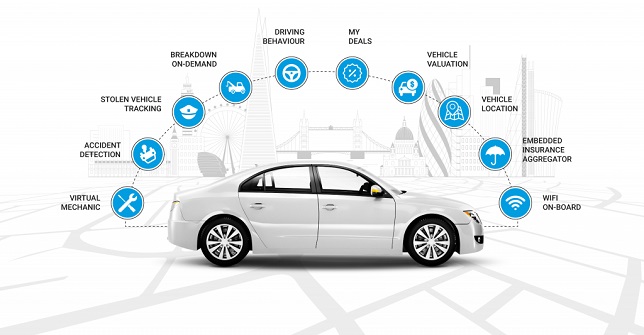
Trends show electric vehicles and ADAS (like lane assist) further reduce risks, with S&P Global predicting shifts in auto insurance. Practical tip: Compare providers—some offer free trials.
Future of Health Insurance in Europe: Smart Devices Leading the Way
Europe’s health insurance is evolving with smart devices, focusing on prevention. By 2026, wearables will integrate with policies for the future of health insurance, using AI for personalised care.
Key Trends and Practical Advice
- Dynamic Premiums: Data from rings or watches could adjust rates based on wellness.
- Integration with Digital Health: Share data for better GP consultations.
- Stats: Deloitte’s outlook sees ROE rising to 11.6% in advanced markets.
How to lower insurance with smart devices? Opt for insurers like YuLife, which gamifies health. Tips: Track sleep for bonuses, use EU data laws for control.

The EU AI Act ensures safety. Mini case study: UK-based Vitality has over a million users earning rewards, reducing claims by 10% through incentives.
Mini Case Study: John Deere’s Smart Tech Revolution in Agricultural Insurance
John Deere, the farming giant, exemplifies how smart devices cut insurance costs in niche sectors. In 2026, their IoT sensors and predictive maintenance save billions, tying into insurance via lower risk.
Deere’s tractors use AI for real-time monitoring—sensors detect issues like transmission wear before breakdowns. Their Transmission Assurance Program covers up to 15,000 hours, reducing downtime by 20%. This lowers claims for equipment insurance, with farmers getting discounts from partners.
Stock-wise, Deere & Company shares climbed about 15% in 2025, driven by AI-led innovations, according to Forbes. Meanwhile, predictive technologies are delivering roughly $1 billion a year in maintenance savings, per Farmonaut.
For users, it means affordable premiums—insurers like FM Global offer breaks for Deere tech. Trends from the Federal Reserve show rate volatility pushing such efficiencies. This model could expand to other industries, proving smart devices’ power.
Comparison Table: Smart Devices for Insurance Savings
| Device Type | Insurance Area | Potential Discount | Examples |
|---|---|---|---|
| Wearables (e.g., Fitbit) | Health | 15-20% | Vitality, Bupa |
| Telematics (e.g., app-based) | Car | Up to 30% | Progressive, Allstate |
| Smart Sensors (e.g., leak detectors) | Home | 10-15% | Chubb, State Farm |
|
IoT in Equipment (e.g., John Deere sensors) |
Agriculture/Business | Around 20% lower claims | Partner-based ecosystem |
Suggested Links
- Internal: Our Guide to Wearable Tech Basics, Tips for Safe Driving in 2026
- External: Deloitte Insurance Outlook, Swiss Re Sigma Report
FAQs
What is pay-as-you-live insurance? It’s a model where premiums adjust based on real-time data from devices, rewarding healthy or safe behaviours.
How can I get wearable tech insurance discounts in 2026? Link your device to your insurer’s app; meet goals for rewards. Trending: “Does owning an Apple Watch unlock health insurance discounts?” Yes, with providers like Vitality.
Is personalised car insurance in the US worth it? For low-mileage drivers, yes—savings average 15%. Trending: “How do telematics affect my privacy?” Data is anonymised, but opt-out if concerned.
How to lower insurance with smart devices? Install sensors, track habits, compare quotes. Trending: “Do smart home devices reduce premiums?” Up to 15%, per Experian.
What’s the future of health insurance in Europe? More AI and wearables for prevention. Trending: “Will EU regulations change wearable data use?” The AI Act ensures ethical handling.
Conclusion
Pay-as-you-live insurance in 2026 is all about empowerment—smart devices let you control costs through habits. From wearable tech discounts to personalised car insurance in the US and future health insurance in Europe, the savings are real. But remember, privacy matters. Ready to save? Check your insurer’s app today and start tracking—your wallet will thank you.