- FTSE 100 Outperforms Europe as Turbulent Week Draws to a Close
- Why Is the FTSE 100 Rising Today?
- UK Retail Sales Rebound Boosts Confidence
- Strong UK PMI Data Signals Private Sector Growth
- Impact of UK Private Sector Growth on Stocks
- FTSE 100 vs DAX vs CAC 40: London Stock Market Analysis
- Aerospace and Defence Stocks UK: A Bright Spot
- FAQs
FTSE 100 Outperforms Europe as Turbulent Week Draws to a Close
- FTSE 100 showed resilience, rising 0.2% midday on 23 January 2026, while European peers like CAC 40 and DAX 40 lagged.
- Data showed U.K. retail sales climbing 0.4% in December 2025, defying expectations and suggesting consumers are regaining momentum even as pressures persist.
- Flash UK PMI hit 53.9 in January 2026, indicating robust private sector growth and boosting market optimism.
- Aerospace and defence stocks led gains, driven by geopolitical tensions and increased NATO spending.
- Steady BoE rates at 3.75% keep policy supportive, while expected cuts in 2026 may provide a tailwind for stocks.
As we wrap up a bumpy week in global markets, the FTSE 100 has emerged as a standout performer, bucking the trend seen across much of Europe. On 23 January 2026, London’s blue-chip index climbed modestly but steadily, up about 0.2% to around 10,169, while Paris’s CAC 40 dipped 0.3% and Frankfurt’s DAX 40 hovered flat. This comes after a turbulent start to the week, sparked by US President Donald Trump‘s tariff threats over Greenland, which rattled investors worldwide. But with Trump walking back those threats, calm is returning, and positive UK data is fuelling the FTSE’s edge.
What makes this noteworthy? It’s not just about numbers—it’s a sign of underlying strength in the UK economy. Fresh figures on retail sales and private sector activity paint a picture of resilience, even as global uncertainties linger. Let’s dive into why the FTSE 100 is rising today, how it stacks up against European rivals, and what this means for investors.
Why Is the FTSE 100 Rising Today?
The FTSE 100’s uptick on this Friday isn’t happening in a vacuum. Several key factors are at play, blending domestic economic wins with a sigh of relief from easing global tensions.
UK Retail Sales Rebound Boosts Confidence
One key driver has been the unexpected rebound in U.K. retail sales. Official data from the Office for National Statistics show sales volumes rose 0.4% in December 2025, defying expectations for flat or slightly negative growth. The uptick ended a multi-month decline, with online sales climbing 4.4%, their biggest increase since February 2025. Jewellery and precious metals outperformed, supported by higher gold and silver prices.
Why does this matter for stocks? Retail sales are a key barometer of consumer spending, which accounts for roughly 60% of the U.K. economy. A stronger festive season suggests households have, for now, shrugged off budget pressures. As GfK’s Joe Staton noted, consumer confidence improved to -16 in January 2026—its highest level since August 2024—driven by brighter views on personal finances. That said, post-Christmas caution is emerging, with spending expectations easing to +5 from +17.
For FTSE-listed retailers and consumer goods companies, the data offer a welcome boost. Shares of Tesco and Unilever posted modest gains, as investors priced in the prospect of steadier consumer demand.
Strong UK PMI Data Signals Private Sector Growth
Adding fuel to the fire is the latest Purchasing Managers’ Index (PMI) data. The U.KThe flash composite PMI jumped to 53.9 in January 2026 from 51.4, its highest level in almost S&P Global data show the flash composite PMI jumped to 53.9—its strongest level in nearly two years—well above expectations of 51.7, signalling solid expansion (readings above 50 indicate growth).
Breaking it down:
- Services PMI climbed to 54.3, driven by tech and finance firms approving new projects post-budget.
- Manufacturing PMI hit 51.6, a 17-month peak, with export orders rising for the first time in four years.
- New orders grew for the third time in four months, and business optimism reached a 16-month high.
Impact of UK Private Sector Growth on Stocks
Private sector strength isn’t just stats—it’s rippling through the market. With new orders up and exports rebounding, firms are hiring cautiously, though input costs (like wages) are rising. That balance may restrain inflation while underpinning earnings growth.
For banks, elevated Bank of England rates have been a tailwind for net interest margins. Lloyds and Barclays edged higher today. Industrials also benefit, as faster growth means more investment.
But there’s a flip side. Rising costs led to higher factory prices, hinting at sticky inflation. Still, the overall vibe is positive, with the FTSE’s defensive tilt (heavy in staples and energy) shielding it from broader turbulence.
FTSE 100 vs DAX vs CAC 40: London Stock Market Analysis
How does the FTSE stack up against its European cousins? In January 2026 so far, the FTSE 100 is up about 1.2% year-to-date, outpacing the DAX 40’s 0.5% gain and the CAC 40’s flat performance. This continues a trend from 2025, when the FTSE rose 21.5%—its best since 2009—beating the STOXX Europe 600.
Why the edge?
- Sector Mix: FTSE’s weighting in mining (e.g., Fresnillo up on gold prices) and defence gives it a buffer. Europe’s indices are more tech-exposed, hit by global sell-offs.
- Currency Play: A steady pound at $1.35 helps FTSE multinationals like AstraZeneca.
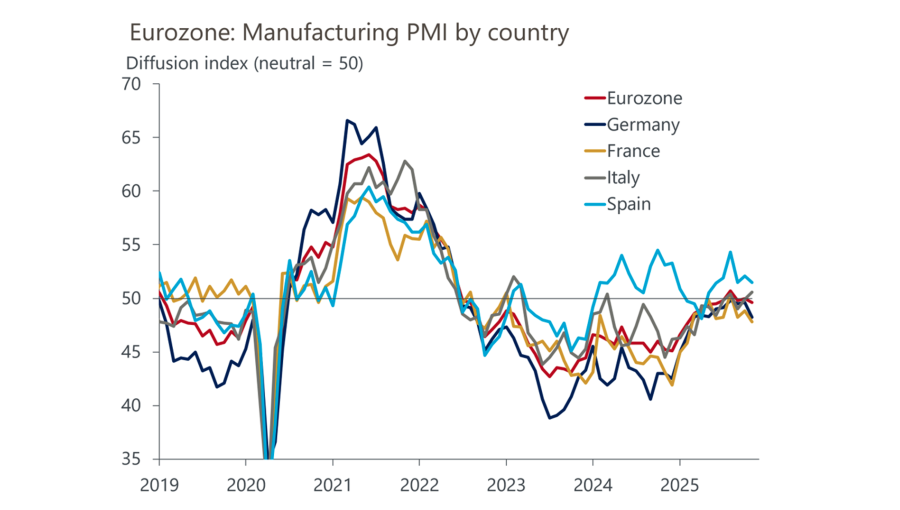
- Economic Backdrop: UK’s PMI outshonethe Eurozone’s 50.7, signalling faster growth.
| Index | Jan 2026 YTD Performance | Key Drivers | Key Risks |
|---|---|---|---|
| FTSE 100 | +1.2% | Retail sales rebound, PMI strength, defence sector support | Persistent inflation |
| DAX 40 | +0.5% | Export recovery momentum | Tariff uncertainty, geopolitical tensions |
| CAC 40 | 0.0% | Luxury sector exposure | Energy price volatility |
This analysis shows London’s market is more resilient amid uncertainty, but watch for spillover from global events.
FTSE 100 10,000 Level Analysis
The FTSE briefly topped 10,000 on 2 January 2026—a milestone after years of lagging peers. It closed at 10,004 that day, up 22% in 2025. What’s behind this?
- Record Rally: Driven by miners (gold up 64% in 2025) and aerospace/defence (Rolls-Royce surged on NATO spending).
- With a P/E around 14 versus the S&P 500’s 25, the discount is drawing renewed interest from value investors.
- IG analysts project potential upside to 11,405 in 2026, a 14% gain, contingent on Bank of England rate cuts.
But is 10,000 sustainable? Yes, if growth holds, but volatility from tariffs could test it.
Global Market Turbulence and Its Ripple Effects
Tariff threats tied to Greenland triggered a sharp risk-off move, sending the S&P 500 to its worst day since October and weighing on European equities.
While December’s 3.4% inflation print exceeded the 2% target, it hasn’t derailed expectations for a shift in monetary policy. With rates steady at 3.75%, attention has shifted to March 2026 as the likely window for the Bank of England’s first cut. A reduction would likely provide a tailwind for equities as cheaper debt begins to fuel growth.
Aerospace and Defence Stocks UK: A Bright Spot
Amid tensions, UK aerospace/defence shines. Rolls-Royce up 50%+ in 2025, BAE Systems strong on NATO hikes. Trump’s call for 50% more defence spending by 2027 lifts sentiment.
Mini Case Study: Rolls-Royce. In 2025, Rolls-Royce’s shares rocketed 150% on engine demand and defence contracts. It’s up 5% in January 2026, with earnings expected to grow around 20%. As an FTSE heavyweight, it exemplifies how geopolitical risks turn into opportunities—citingthe IMF’s defence spending trends amid global instability.
For practical tips:
- Diversify: Mix defence with consumer stocks.
- Watch PMI: Next release could signal more gains.
- Internal Analysis: For a deeper dive into how these regional trends affect your portfolio, read our latest guide: UK Stocks vs. Europe: Why the FTSE 100 is Outperforming Peers in Early 2026.
Consumer Spending Data: Signs of Recovery?
UK consumer spending rose in Q4 2025, per ONS, with non-store retail up. But CBI warns the rebound may be brief, with sales expected to weaken. GfK data shows confidence up, but the major purchases index at -10 signals caution.
Federal Reserve notes similar US trends, with consumer resilience amid high rates.
Despite global volatility, the FTSE 100 finished the week higher, buoyed by encouraging domestic data and strength across key sectors. While global risks persist, the outlook leans positive. Ready to invest? Consider adding FTSE tracker funds for diversified exposure. What’s your take—share in the comments!
FAQs
Why is the FTSE 100 rising today?
The rise is mainly due to positive UK economic data, like the retail sales rebound and strong PMI figures, which signal growth despite global turbulence.
Why UK Private-Sector Growth Matters for Stocks
Strong PMI data boosts investor confidence, lifting sectors like banking and industrials. It suggests higher earnings and GDP, supporting stock prices.
FTSE 100 vs DAX vs CAC 40: Which is better in 2026?
Defensive-heavy sector exposure has given the FTSE 100 an early edge. But monitor tariffs—DAX may benefit from exports, CAC from luxury recovery.
What Are the Odds of BoE Interest Rate Cuts in 2026?
Likely yes, starting March, to 3.25% by year-end, per forecasts. This could further support stocks by easing borrowing costs.
How does global market turbulence affect UK stocks?
Turbulence from US tariffs causes short-term dips, but the UK’s domestic strength and sector mix help it recover faster than Europe.
What Are the Odds of BoE Interest Rate Cuts in 2026?
They’re thriving amid geopolitical risks. Rolls-Royce and BAE are top performers, with potential for more gains on defence spending hikes.
Is consumer spending rebounding in the UK?
Yes, December sales rose, but the outlook is cautious. Confidence is up slightly, but big-ticket spending may slow post-holidays.