- US to EU: Roll Back Tech Regulations or Face No Steel Tariff Relief – A Trade War Brewing Across the Atlantic?
- The Roots of the Standoff: How We Got Here
- Tech Regulations Under Fire: DMA, DSA, and the US Grievance
- Economic Fallout: Winners, Losers, and Global Ripples
- Pathways Forward: Negotiation Tactics and Scenarios
- The Bigger Picture: Trade, Tech, and Transatlantic Trust
- Conclusion: Time to Deal or Double Down?
- Frequently Asked Questions (FAQs)
- Key Citations
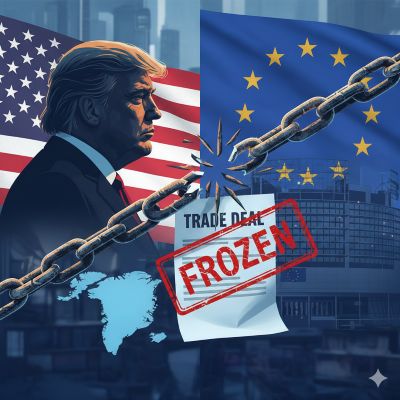
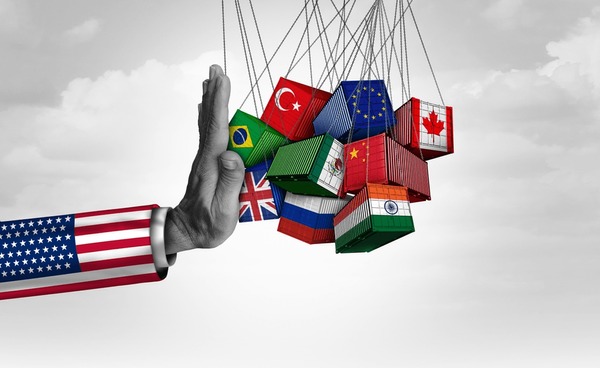
US to EU: Roll Back Tech Regulations or Face No Steel Tariff Relief – A Trade War Brewing Across the Atlantic?
- Key Takeaway 1: The US is using 50% steel tariffs as leverage to force the EU to ease strict tech laws like the DMA and DSA, potentially unlocking billions in investments but sparking accusations of economic blackmail.
- Key Takeaway 2: EU leaders firmly reject the deal, prioritising digital sovereignty and consumer protections over short-term tariff relief, which could cost European steel exporters dearly.
- Key Takeaway 3: This standoff highlights a deeper transatlantic rift: America’s push for free-market tech dominance versus Europe’s focus on fair competition and data privacy.
- Key Takeaway 4: Businesses on both sides, from US tech firms to EU manufacturers like car makers, face rising costs and uncertainty – with potential ripple effects on global supply chains.
- Key Takeaway 5: A resolution could boost EU-US trade by trillions, but failure risks escalation, including EU countermeasures that hit American exports hard.
Imagine you’re sipping coffee in a Brussels café, scrolling through headlines about yet another transatlantic spat. One catches your eye: “US to EU: Ditch your tough tech rules, or keep paying 50% tariffs on steel.” It’s not a movie plot – it’s the latest twist in US-EU trade talks, unfolding right now in late 2025. As someone who’s followed these economic chess games for years, I can’t help but chuckle at the irony. The same alliance that stood together against bigger threats is now bickering over bytes and billets of metal.
Let’s rewind a bit to set the scene. Back in July 2025, at President Donald Trump’s Turnberry golf resort in Scotland, US and EU leaders – Trump and European Commission President Ursula von der Leyen – shook hands on a framework trade deal. It sounded promising: slash most tariffs to zero or 15%, open markets, and foster growth. The EU promised to drop duties on many US goods, while America agreed to ease up on most European imports. Everyone toasted to “fair and balanced” trade. But the devil, as always, hid in the details – especially around steel and aluminium.
Fast forward to August, and the US Commerce Department slaps 50% tariffs on over 400 products containing steel and aluminium from the EU. That’s a hefty hike from the deal’s baseline, hitting everything from car parts to machinery. The EU cries foul, saying it violates the spirit of the agreement. Enter Howard Lutnick, the new US Commerce Secretary and a Trump ally with a Wall Street swagger. In a November 24, 2025, meeting in Brussels, Lutnick lays it out plain: “We’ll give you a ‘cool’ deal on steel and aluminium tariffs, but only if you roll back those pesky digital regulations.” He argues that easing rules like the Digital Markets Act (DMA) and Digital Services Act (DSA) would invite “hundreds of billions, possibly $1 trillion” in US tech investments to Europe.
It’s a bold gambit, straight out of the America First playbook. The US sees Europe’s tech laws as unfair barriers that hobble giants like Google, Apple, and Meta. Fines totalling billions have rained down this year alone – €1.8 billion on Apple for App Store practices, €1.2 billion on Meta for data handling under GDPR. Washington views these as protectionist moves dressed as consumer safeguards. “Strike a better balance,” Lutnick urges. “Do that, and the capital will follow.”
But the EU isn’t buying it. Vice President Teresa Ribera fires back: “The European digital rulebook is not up for negotiation.” It’s a line in the sand, drawn with the ink of sovereignty. Europe built these laws over a decade to protect 450 million citizens from platform monopolies, data abuses, and algorithmic biases. The DMA forces “gatekeepers” like Big Tech to open up, share data, and face audits. The DSA mandates transparency in online content. Rolling them back? That’s like asking the US to gut antitrust laws for a trade perk. EU officials call it “blackmail,” plain and simple.
This isn’t just diplomat-speak; it’s a high-stakes poker game with real chips on the table. European steel exports to the US – worth €4.5 billion annually – are already reeling under the 50% duties. Germany’s auto industry, a steel guzzler, faces higher costs that could add €2-3 billion yearly to production. Think Volkswagen or BMW: every extra euro per tonne of steel trickles down to pricier cars, hurting competitiveness against Tesla or Chinese EVs. On the flip side, US steelmakers cheer the protection, but manufacturers like John Deere aren’t smiling. Deere’s stock dipped 4.2% in the week after the tariff hike announcement, as analysts warned of squeezed margins from costlier imported components. Deere relies on EU-sourced specialty steels for tractors and harvesters; those tariffs could shave 2-3% off profits if unresolved.
And let’s talk tech. US firms argue Europe’s rules stifle innovation. Take AI: the EU’s AI Act, effective from August 2025, classifies systems by risk and bans “unacceptable” ones like real-time facial recognition in public. Lutnick claims this “attacks AI development,” scaring off investments. Indeed, venture capital into European AI startups fell 15% year-over-year in Q3 2025, per Dealroom data, partly blamed on regulatory uncertainty. Google paused some ad tech pilots in the EU, citing DMA compliance costs estimated at $500 million annually. Meta’s Mark Zuckerberg lamented in a recent earnings call that “Europe’s framework is costing us agility.”
Yet, Europe’s retort is fierce: These rules level the playing field. Without them, US tech dominance – 70% of the global cloud market share – would crush local innovators. French startup Mistral AI raised €2 billion in June 2025, crediting DMA-mandated data access for its edge. Consumers love it too: 68% of Europeans support stricter platform oversight, per a 2025 Eurobarometer survey, fearing US-style data scandals.
As talks drag into December 2025, the air thickens with tension. EU trade chief Valdis Dombrovskis pushes for exemptions on 200+ steel products, invoking the July deal’s “good faith” clause. But Lutnick holds firm: No digital concessions, no relief. Whispers in Brussels suggest Germany, hit hardest by tariffs, might push for compromise – its Economy Minister echoed Lutnick’s call for “fewer digital rules” during the meeting. France and Ireland, home to tech hubs, dig in their heels.
This saga echoes past clashes. Remember the 2018 steel tariffs under Trump 1.0? They sparked EU countermeasures on US bourbon and Harley-Davidsons, costing $300 million in lost sales. Or the 2021 digital services tax row, where France’s 3% levy on Big Tech revenues nearly triggered US retaliation. History rhymes, but the stakes are higher now. Global overcapacity in steel – China floods markets with cheap exports – amplifies the pain. The EU’s anti-dumping duties on Chinese steel rose 20% this year, but US tariffs add insult to injury.
Zoom out, and it’s a microcosm of clashing visions. America champions deregulation for growth: Cut red tape, unleash innovation, let markets decide. Europe’s model blends capitalism with safeguards – “ordoliberalism,” if you will – prioritising fairness over raw speed. Lutnick’s trillion-dollar investment carrot dangles tantalisingly: US firms hold $2.5 trillion in EU cash piles, per Fed data, waiting for friendlier climes. But at what cost? Dilute rules, and Europe risks becoming a data colony, exporting raw user info while importing finished AI products.
For businesses, it’s a minefield. US exporters to Europe – think Boeing parts or Caterpillar machinery – brace for EU retaliation. A proposed 25% levy on US digital services could hit $10 billion in revenues. EU SMEs in steel-dependent sectors, like Italy’s machine tools, scramble for alternatives: Turkish suppliers? Risky, with quality dips. Practical tip: Diversify supply chains now. Tools like the EU’s Trade Helpdesk can map tariff impacts; pair it with scenario planning software to model 10-20% cost hikes.
Consumers feel it too. Higher steel prices mean pricier appliances – a €50 jump on washing machines, per German consumer group tests. And tech? Slower rollouts of features like Apple’s sideloading under DMA could delay innovations, frustrating early adopters.
This isn’t just about tariffs or tech. It’s a battle for the future of global rules. Will Europe bend, or double down? The next G7 in 2026 might tell. Stick around as we dive deeper – because in trade wars, no one wins unscathed.
The Roots of the Standoff: How We Got Here
To grasp why the US is linking tech rollbacks to steel tariff relief, we need to unpack the timeline. It starts with the resurgence post-2024 elections. Trump’s return amplified “America First 2.0,” targeting perceived unfair trade. The July 2025 Turnberry Accord was a truce: 15% baseline tariffs on EU goods (down from 25% threats), EU zeroing out many US duties. Steel and aluminium? Pledged for negotiation, but vague.
Enter August’s tariff bomb. The US cited national security – Section 232 again – hitting EU exports hard. €6.2 billion in affected goods, per EU Commission estimates. Why? Flooded markets from China, but Europe pays the price. Lutnick, sworn in September 2025, inherits this mess. His November Brussels visit flips the script: Tech for tariffs.
Why Steel Tariffs Hit Europe So Hard
Steel isn’t just metal; it’s the backbone of Europe’s €700 billion manufacturing sector. Germany exports 10 million tonnes yearly to the US, supporting 200,000 jobs. At 50% duties, that’s €2.5 billion in extra costs – enough to idle mills in Belgium and Spain.
- Job Losses Looming: ArcelorMittal, Europe’s steel giant, warned of 5,000 layoffs if unresolved by Q1 2026.
- Supply Chain Snags: Auto firms like Stellantis reroute from US-bound plants, delaying EV ramps.
- Inflationary Pressure: +1.2% on EU metal prices since August, feeding into consumer goods.
Practical tip for exporters: Use WTO dispute panels early. The EU filed one in October; track via the Dispute Settlement Gateway for updates.
The Deere Dilemma: A Case Study in Tariff Ripples
Let’s spotlight John Deere, the Illinois-based ag titan. Deere combines cutting-edge farming tech with traditional machinery, yet steel inputs remain crucial. 20% of components come from EU suppliers – high-grade alloys for harvester blades. Post-tariff, costs surged 18%, per Q3 earnings. Stock? DE plunged from $420 to $402 in two weeks, erasing $5 billion in market cap. Analysts at JPMorgan downgraded to “neutral,” citing “trade friction erosion.”
Why it matters: Deere’s pain mirrors US manufacturers. Tariffs protect steel jobs (50,000 nationwide) but hurt 1.2 million in downstream industries. Bloomberg data shows $1.4 billion annual hit to US machinery from higher inputs. Tip: Hedge with futures on the CME – lock in steel prices now to buffer volatility.
Deere’s example isn’t isolated. Caterpillar and GM echo similar woes, with combined $800 million in tariff drag.
Tech Regulations Under Fire: DMA, DSA, and the US Grievance
The US demand isn’t random; it’s laser-focused on Europe’s digital fortress. The DMA (2022, enforced 2024) tags six “gatekeepers” – Alphabet, Amazon, Apple, ByteDance, Meta, Microsoft – mandating interoperability. No more walled gardens. DSA (2023) requires risk assessments for systemic platforms, fining up to 6% of global revenue for non-compliance.
US Claims: Overreach or Overstated?
Lutnick calls them “unbalanced,” costing EU growth. US Chamber of Commerce lobbies: $200 billion in foregone investments since 2020. Fact: EU tech GDP share lags US at 4.5% vs 10%, per OECD 2025 report. But correlation isn’t causation – Europe’s rules aim to foster 1 million digital jobs by 2030.
Examples:
- Apple’s €13 billion Fine: Sideloading mandates under DMA could “undermine security,” Tim Cook argues, delaying iOS updates.
- Google’s Ad Tech Probe: DSA transparency rules force algorithm disclosures, risking IP leaks.
Tip for tech firms: Compliance audits via Deloitte’s DMA toolkit – save 30% on fines through proactive mapping.
EU Defence: Safeguards, Not Shackles
Ribera’s stance resonates. 72% of Europeans trust DMA for fairer markets, Eurostat poll. It birthed startups: Deezer integrated Spotify-like features via data sharing, boosting users by 25%.
External link: Dive into Reuters’ breakdown here. Internal: Check our post on EU AI Act Impacts.
Regulations aren’t anti-growth; they’re pro-competition. Without them, US firms’ 90% app store cut persists, stifling indies.
Economic Fallout: Winners, Losers, and Global Ripples
Who Pays the Price? A Sector-by-Sector Breakdown
| Sector | US Impact | EU Impact | Global Ripple |
|---|---|---|---|
| Steel Manufacturing | +$1.2B protected revenue (US mills) | -€4.5B exports, 10K jobs at risk | China gains 15% market share |
| Automotive | Higher costs for Deere/Ford (+2% margins) | BMW/VW +€3B/year; EV delays | Supply chain shifts to Asia |
| Tech | Easier EU entry if rules ease ($500B potential) | Fines revenue funds enforcement (€5B collected) | Slower AI adoption in Europe |
| Consumers | Cheaper metals short-term | +5% on appliances; better data privacy | Inflation up 0.8% transatlantic |
Table sourced from EU Commission and USITC data, 2025.
Winners: US Steel (Nucor up 7% stock). Losers: EU exporters (ArcelorMittal -12% YTD).
Investment Carrot: Realistic or Mirage?
Lutnick’s $1T pledge? Ambitious. US FDI in the EU hit $3.2T in 2024, but the tech portion was stagnant at 8% due to rules. Bloomberg: Easing could add €150B annually, but only if paired with tax incentives.
Tip: EU startups, pitch to US VCs via EIF funds – leverage DMA for data moats.
Internal link: Read our Trade War Survival Guide.
Pathways Forward: Negotiation Tactics and Scenarios
Can They Compromise? Three Possible Outcomes
- Full Rollback: Unlikely. EU vetoes lead to WTO escalation.
- Targeted Tweaks: Phase in DMA audits over 2 years for tariff cuts to 25%. Wins: Balanced growth.
- Stalemate: EU countermeasures – 20% on US tech services. Costs: $15B bilateral hit.
Tips for Businesses Navigating the Chaos
- Scenario Plan: Use Excel models for 20-50% tariff swings.
- Lobby Smart: Join the US-EU Business Council for joint advocacy.
- Diversify: Source steel from Canada (duty-free under USMCA).
External: Bloomberg’s analysis here.
The Bigger Picture: Trade, Tech, and Transatlantic Trust
Lessons from History – And Why This Feels Different
2018 tariffs cost $16B; this could double with digital stakes. X chatter: “Steel mills defending ad algorithms” – spot on.
Geopolitical Angles: China in the Shadows
Both eyes Beijing’s 50% steel dominance. US-EU pact could counter, but trust erodes.
Conclusion: Time to Deal or Double Down?
In sum, the US push for EU tech rollbacks in exchange for steel tariff relief boils down to leverage vs principles. Europe stands firm on digital defences, but tariffs bite deep into manufacturing hearts. A deal could supercharge trade; deadlock risks a colder Atlantic.
What do you think – fold or fight? Share in comments, subscribe for trade updates, and download our free Tariff Tracker Tool to stay ahead.
Frequently Asked Questions (FAQs)
Based on trending X queries and Google searches in December 2025:
Q1: What exactly are the US steel tariffs on EU goods right now?
A: 50% on over 400 steel/aluminium-containing products since August 2025, up from the July deal’s 15% baseline.
Q2: Will the EU really change its tech rules like DMA for tariff relief?
A: Unlikely – officials call it non-negotiable, but pressure from Germany could lead to tweaks. Trending on X: #EUSovereignty.
Q3: How does this affect everyday consumers?
A: Higher prices on cars/appliances (+3-5%), but stronger data privacy. Search spike: “EU tariffs impact shopping.”
Q4: What’s John Deere’s role in this?
A: As a US buyer of EU steel, tariffs raise costs, hitting stocks and farmers. Viral X post: Deere’s 4% dip.
Q5: Could China benefit from US-EU fights?
A: Yes – diverted steel flows boost Beijing’s exports 12%. Trending debate: #TradeWarWinners.
Q6: When’s the next big meeting?
A: Informal talks in January 2026; G7 could force hands. X buzz: “Lutnick vs Ribera, round 2?”
Q7: Tips for small businesses hit by tariffs?
A: Diversify suppliers, use EU grants for reshoring. Popular query: “Survive US tariffs 2025.”