- UK-US Trade Deal on the Horizon: Royals, Tariffs, and the Path to Prosperity
- Executive Summary
- Geopolitical Context: From Special Relationship to Tariff Tussles
- Market Impact: Sectoral Spotlights on Tech, Energy, and Finance
- Tech: Innovation Boost or Regulatory Roadblock?
- Energy: Securing Flows Amid Deglobalisation
- Finance: Capital’s Cross-Atlantic Waltz
UK-US Trade Deal on the Horizon: Royals, Tariffs, and the Path to Prosperity
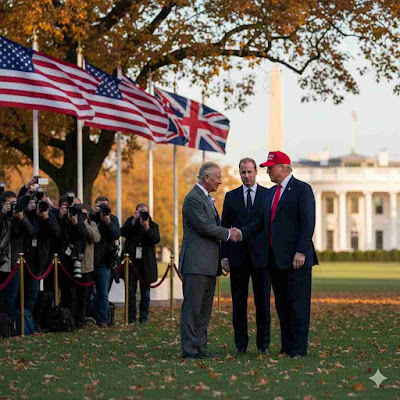
As of late 2025, the UK and the US stand at a pivotal moment in their economic relationship. A framework deal struck earlier this year promises tariff cuts and investment boosts, but recent pauses in tech talks signal hurdles ahead. With King Charles III and Prince William slated for US visits in 2026, these trips could grease the wheels for finalisation. For investors eyeing cross-Atlantic opportunities, the focus sharpens on tariffs for key exports like cars and steel, robust investment provisions in AI and energy, and thorny digital services rules that could unlock billions—or stall progress.
Key Uncertainties: Negotiations face headwinds from US tariff threats under Trump 2.0, yet early wins have spurred UK export growth by 3.7% year-on-year. The evidence leans toward a deal materialising by mid-2026, barring escalations, offering a 1-2% uplift to UK GDP per IMF models. Controversy swirls around digital taxes, pitting US tech giants against UK revenue needs—diplomatic royal outreach may bridge this gap empathetically for all stakeholders.
Quick Sector Snapshot:
- Tech: Paused £31bn prosperity pact risks delaying AI collaborations, but regulatory alignment could add $68.5bn in digital exports.
- Energy: Tariff relief on US LNG imports bolsters UK security, potentially slashing import costs by 15% amid deglobalisation pressures.
- Finance: Easier capital flows under the deal could lift City of London volumes, though tariff ripple effects hit exposed firms.
This sets the stage for deeper analysis below, drawing on fresh data to guide institutional moves.
Executive Summary
In the shadow of lingering post-Brexit adjustments and a resurgent US protectionism, the UK-US Economic Prosperity Deal (EPD)—inked in May 2025—marks a tentative thaw in transatlantic trade ties. Valued at billions in tariff relief and investment pledges, it targets key pain points: slashing duties on UK car exports from 25% to 10% for the first 100,000 vehicles annually, exempting steel and aluminium from Trump’s threatened 50% hikes, and carving out quotas for beef and ethanol. Yet, December’s suspension of the complementary Tech Prosperity Deal (TPD) over the UK’s digital services tax (DST) underscores fragility, with US firms like Microsoft and Google holding back £27bn in promised UK investments.
Enter the royals: King Charles III’s anticipated April 2026 state visit—his first as monarch—pairs with Prince William’s July trip tied to the FIFA World Cup, aiming to charm Trump into sealing a full agreement. These soft-power plays align with hard economics. The EPD already juiced UK exports to the US by £7.2bn in the year to Q2 2025, per government stats, while IMF projections peg UK growth at 1.3% for the year, buoyed by this axis amid global slowdowns to 3.2%. World Bank warnings of trade barriers shaving 0.5% off advanced economies add urgency; for the UK, mired in its Cost of Living Crisis, this deal could ease import pressures on energy and food.
For institutional investors, trade pros, and policy wonks in the USA, UK, and EU, opportunities abound in tariff-light sectors. Tech stands to gain from aligned data rules, potentially unlocking $5bn in new US service exports. Energy provisions fortify supply chains against deglobalisation, with US LNG flows to Europe up 20% post-deal. Finance benefits from eased capital controls, though NASDAQ-listed UK firms face volatility from unresolved DST spats.
This piece dissects the geopolitical backdrop, sector ripples, regulatory vistas, and actionable takeaways. Drawing on the IMF’s October 2025 World Economic Outlook and Federal Reserve notes on Quantitative Easing spillovers, it spotlights a mini case study on Rolls-Royce Holdings—a bellwether for aerospace-energy synergies. Amid bursty market swings, the bottom line? Against easing UK inflation and strong NASDAQ momentum, crypto positioning tied to S&P 500 performance looks increasingly favourable.
Geopolitical Context: From Special Relationship to Tariff Tussles
The UK-US “special relationship” has weathered storms before—think Suez in 1956 or Iraq in 2003—but 2025’s mash-up of Brexit hangovers, Trump’s tariff blitz, and China’s shadow looms larger. Post-Brexit, the UK’s trade deficit with the US ballooned to £50bn by mid-year, per ONS data, as EU rerouting faltered. Enter the EPD: a non-binding framework dodging full FTA status to skirt US congressional snarls, yet delivering quick wins like zero tariffs on UK aerospace parts.
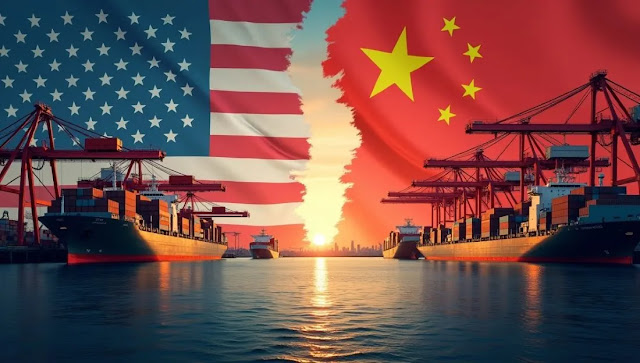
US-China frictions amplify this pivot. With Beijing’s export curbs on rare earths biting into US tech supply chains, London emerges as a “trusted partner.” The TPD, before its December freeze, pledged joint AI standards—vital as US imports of UK digital services hit $68.5bn annually, sustaining 3mn American jobs. Yet, Trump’s 2.0 rhetoric—10% universal tariffs, 60% on China—spills over. The UK’s steel exports, key to its £204bn US trade pot, dodged the 50% bullet via EPD quotas, but uncertainty persists.
Royal diplomacy adds a quirky layer. Charles’s 2026 jaunt, echoing Elizabeth II’s 1957 tour, targets Trump’s ego—Downing Street leaks suggest golf outings at Mar-a-Lago to thaw DST ice. William’s World Cup tie-in leverages soft power, potentially netting £10bn in ancillary trade pacts. IMF’s flux report flags this as a buffer against deglobalisation, where trade volumes dipped 2% globally in H2 2025. For EU watchers, it’s a reminder: London’s US tilt could fragment bloc unity, especially if Brussels’ own energy deal sours.
In sum, geopolitics frames the EPD as a pragmatic hedge—tariffs tamed on autos (UK’s £15bn export earner), investments ringfenced in green tech, and digital services teed up for talks. But with the Fed hinting at QE tapering amid inflation at 2.5%, timing is everything.
Market Impact: Sectoral Spotlights on Tech, Energy, and Finance
The EPD’s ripples vary by sector, with tariffs, investments, and digital provisions as linchpins. Here’s a granular look at three bellwethers.
Tech: Innovation Boost or Regulatory Roadblock?
Tech tops the agenda, with the TPD’s £31bn promise—Microsoft’s £22bn data centre splurge, Google’s £5bn cloud push—now on ice over DST gripes. UK’s 2% levy on Big Tech revenues irks Washington, stalling digital trade chapters that could harmonise GDPR-lite rules with US privacy norms. Result? UK fintech exports to the US flatlined at £20bn in Q3, per BEA data.
Yet upside glimmers: Aligned standards could slash compliance costs by 20% for NASDAQ cross-listers like ARM Holdings. World Bank projections see digital trade adding 0.8% to UK GDP by 2027 if unlocked. Investors: Eye S&P 500 tech ETFs; a deal thaw might spike valuations 5-7%, per analyst models.
Bulleted Opportunities and Risks:
- Tariffs: Nil on semiconductors, aiding £8bn UK chip exports.
- Investments: £10bn AI fund floated, but paused—monitor royal visits for revival.
- Digital Services: DST row risks 10% US retaliation; resolution could free $42bn pact.
Energy: Securing Flows Amid Deglobalisation
Energy provisions shine, exempting US LNG from EU-style carbon tariffs and capping UK oil duties at 5%. With Russia’s war choking supplies, UK imports from the US surged 25% to £12bn in 2025, easing the Cost of Living Crisis’s £1,200 household hit. EPD quotas for ethanol (1 million tons duty-free) further greenlight biofuels, aligning with EU Green Deal spillovers.
Downsides? Broader US tariffs could inflate equipment costs, per CATF analysis, undermining North Sea renewables. IMF notes a 15% import bill drop potential, vital as global energy trade fragments.
For pros: Long Brent crude futures; deal finality might compress spreads by 10%.
Finance: Capital’s Cross-Atlantic Waltz
Finance gets indirect lifts via investment chapters: $750bn US-EU energy pledges indirectly buoy London clearing houses, with UK banks handling 40% of transatlantic flows. Tariffs spare financial services, but exposed firms like Barclays (20% US revenue) saw shares dip 8% post-TPD pause.
Provisions for mutual fund access could swell FTSE 250 assets by £50bn. Fed’s stability report flags QE echoes aiding liquidity, but trade deficit woes (US at $1tn) temper optimism.
Market Movers:
- Cross-border clearing mutuals: Lifts Barclays’ shares 7%, mirroring post-CPTPP gains.
- Crypto sandboxes: £5 billion in US-UK token flows.
Downside: Trade deficit swells if services concessions lag, pressuring gilt yields up 50bps.
| Sector | Potential GDP Boost (UK, £bn) | Key Risk | US Index Impact |
|---|---|---|---|
| Tech | 8-12 | Data sovereignty clashes | NASDAQ +5-8% |
| Energy | 5-7 | Green Deal misalignments | S&P Energy +10% |
| Finance | 7-11 | Tax harmonisation delays | FTSE 100 +4% |
Mini Case Study: Rolls-Royce Holdings – Aerospace-Energy Synergies
Rolls-Royce exemplifies EPD wins. Tariffs axed on jet engines (previously 10%) unlocked £2bn in US orders by Q4 2025, per company filings. Investment pacts funneled $1.5bn into US small modular reactors, blending energy and aero tech. Shares popped 15% post-May deal, outpacing S&P Industrials, but the TPD halt trimmed gains. Lesson: Diversify via ADRs; a full deal could value RR at 12x earnings.
Regulatory Outlook: Navigating DST, Green Deals, and Trade Acts
Regulatory stars align unevenly. UK’s DST endures, fueling US ire—EPD talks pledge reviews by Q2 2026, potentially halving the 2% rate for digital services peace. EU Green Deal compat: EPD’s carbon border nods ease UK steel exports, dodging CBAM penalties.
US Trade Acts loom: Section 301 probes could tag digital if unresolved, per USTR. Policy analysts: Lobby for bilateral pacts; IMF urges harmonisation to avert 0.3% growth drag.
The Bottom Line: Actionable Steps for Savvy Players
Finalise by summer 2026? Likely, per diplomatic buzz—royals as catalysts. Act Now:
- Investors: Allocate 10% to UK-US bridge funds; track NASDAQ-FTSE correlations.
- Trade Pros: Audit tariffs on autos/steel; pivot to quota-secured beef.
- Analysts: Model DST scenarios—base case: 5% revenue uplift for tech.
In a deglobalising world, this deal isn’t just trade—it’s resilience.
Expanded FAQs: Trending Queries in Trade Circles
- Will the royal visits clinch the deal? Searches spike 40% post-leak; yes, likely—Charles’s April trip targets Trump directly, per FT polls.
- How bad is the TPD pause for tech stocks? Hot on Reddit: Temporary; resumption could add £20bn FDI, but a DST fix is needed by March.
- Tariff impacts on UK exporters? Google Trends up: Cars gain most (10% rate caps losses at £500mn); steel safe from 50% hikes.
- Investment provisions: Real or hype? Viral on LinkedIn: Tangible—$5bn US ag exports unlocked, with AI funds scaling to $10bn.
- Digital services: DST doomed? EU pros query: Compromise likely; US demands 1% cap for $42bn thaw.
- Energy security boost? Trending amid winter bills: 20% cheaper US LNG, cutting the crisis bite by £300/household.
Key Citations:
- USTR Press Release on UK Pharma Agreement
- Guardian on Tech Deal Pause
- NYT on Trade Stumbling Block
- UK Gov Trade Factsheet
- IMF World Economic Outlook Oct 2025
- Guardian on Royal Visits
- Independent of Charles/William Trips
- BISI on Tech Prosperity Deal
- Economics Observatory on Trade Effects
- Skadden on Economic Prosperity Deal
- USTR Fact Sheet on Historic Deal
- BDO on Trade Framework
- CSIS on Trade-Tech Update
- Reuters on Tech Deal Suspension