- India’s Path to AI Supremacy: Blending Cutting-Edge Tech with Heartfelt Empathy, as Envisioned by Mukesh Ambani
- Key Takeaways:
- Why Empathy Matters in India’s AI Journey
- The Hook: A Nation at the AI Crossroads
- Understanding Ambani’s Call – Intelligence Meets Empathy in India’s AI Strategy
- Challenges and Practical Tips for Prioritizing Empathy
- The Road Ahead – India’s Empathetic AI Ecosystem
- Conclusion: Time to Act – Join the Empathetic AI Movement
- Key Citations
India’s Path to AI Supremacy: Blending Cutting-Edge Tech with Heartfelt Empathy, as Envisioned by Mukesh Ambani
In a world racing towards artificial intelligence dominance, India’s unique strength lies not just in code and algorithms, but in its deep-rooted sense of compassion. Mukesh Ambani, the visionary chairman of Reliance Industries, recently urged India to lead globally in AI while ensuring empathy shapes every step of tech adoption. This approach could redefine development, turning intelligence into inclusive progress that lifts millions.
Key Takeaways:
- Global Leadership with a Human Touch: India can pioneer AI that combines smarts with empathy, offering a model for the world where tech serves people first.
- Rapid Adoption Momentum: With 92% of Indian firms already using AI—higher than the global average—empathy-driven tools in healthcare and farming could boost productivity by up to 2.8% by 2030.
- Reliance’s Blueprint: Through Jio’s digital revolution and green energy pushes, companies like Reliance show how empathy turns tech into social good, addressing real needs like affordable data and sustainable power.
- Ethical Imperative: Prioritizing compassion in AI helps tackle biases and builds trust, especially in a diverse nation like India, where 81% of users crave human-like interactions from machines.
Why Empathy Matters in India’s AI Journey
Imagine a farmer in rural Maharashtra using an AI app that doesn’t just predict crop yields but also senses his stress from erratic rains and suggests mental health tips in Marathi. This isn’t sci-fi—it’s the empathetic AI India needs to lead with. Ambani’s call highlights a risk: without heart, AI becomes cold machinery. In India, where tech gaps affect 600 million rural folks, empathy ensures adoption benefits all, not just urban elites.
Stats back this up. A 2025 EY report shows GenAI could unlock 5.44% more productivity nationwide by 2030, but only if ethical guardrails prevent biases in sectors like finance and health. For instance, 24% of tasks could be fully automated, freeing workers for creative roles—if AI understands cultural nuances.
Spotlight on Ambani’s Vision
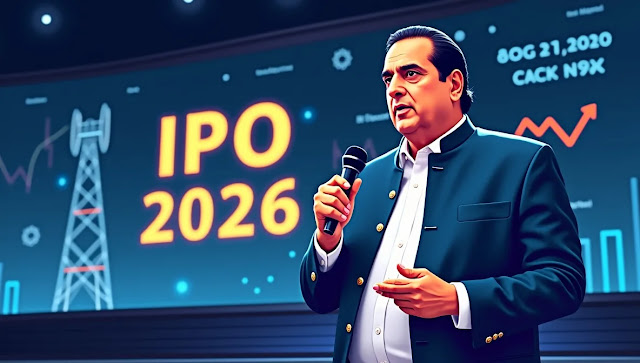
At a recent book launch in Mumbai, Ambani declared, “We must become world leaders in AI. But above all, we need empathy and compassion even more.” Drawing from Reliance’s story, he pointed to Jio’s role in slashing data costs, connecting 500 million Indians to the digital world. This “Gandhian engineering”—doing more with less—pairs tech with purpose, like solar storage solving India’s 80% energy import woes.
Quick Wins for Empathetic Tech
- Healthcare Bots: Apps like Woebot offer mental health support with emotional AI, tailored for India’s diverse tongues—vital as 63% trust empathetic machines more.
- Agri-AI Tools: John Deere’s precision farming AI, now eyeing India, uses data to cut chemical use by 20%, empathetically advising smallholders on sustainable practices without overwhelming them.
For deeper dives, check our posts on AI Ethics in Everyday Life and Reliance’s Green Tech Revolution.
Mukesh Ambani’s recent words at the launch of More From Less For More: Innovation’s Holy Grail on International Human Solidarity Day have sparked a nationwide conversation. Declaring that the world has entered a new AI era—one India must lead—he underscored a deeper priority: empathy and compassion must grow alongside technology. By combining intelligence with empathy, prosperity with purpose, India can present a new model of development to the rest of the world.” This isn’t just rhetoric from India’s richest man and Reliance Industries’ helmsman—it’s a roadmap for a nation poised to redefine global tech.
In this comprehensive exploration, we’ll unpack Ambani’s call to action, weaving in fresh 2025 data, real-world examples, and practical steps for businesses, policymakers, and everyday Indians. From surging AI adoption rates to empathetic applications in farming and healthcare, we’ll see how India can lead without leaving anyone behind. Expect stats from authoritative sources like the EY AIdea of India 2025 report, NITI Aayog’s AI roadmap, and Stanford’s AI Index— all underscoring why empathy isn’t a nice-to-have, but the secret sauce for sustainable tech growth.
The Hook: A Nation at the AI Crossroads
Picture this: It’s 2025, and India—home to 1.4 billion dreamers—stands on the brink of an AI revolution. We’ve got the talent: As per Stanford’s 2025 AI Index, India leads the world in AI hiring, snapping up talent at a 33% annual clip. We’ve got the adoption: 92% of Asia-Pacific firms use AI, with India topping the charts at that rate, per BCG’s latest survey. ChatGPT users here surged 607% year-on-year, thanks to free tools like Gemini and Perplexity. Yet, amid this buzz, Ambani warns of a pitfall. Tech without heart? It’s like a tractor without a driver—powerful, but directionless.
Ambani’s speech, delivered amid Mumbai’s humid December air, wasn’t a dry boardroom talk. It was a tribute to human solidarity, honoring scientists like R.A. Mashelkar and M.M. Sharma, who shaped Reliance into a “deep-tech, deep-innovation” powerhouse. With 1.1 lakh of its 5.5 lakh employees as technical pros, Reliance exemplifies the shift. Jio didn’t just sell data; it democratized it, catapulting India into the digital mainstream. Now, as solar tech nears breakthroughs to store energy beyond four hours—tackling our 80% import dependency—Ambani envisions AI as the next leap, but laced with compassion.
Why now? 2025 marks a tipping point. The IndiaAI Mission pumps ₹10,300 crore into 38,000 GPUs, training 8.65 lakh in emerging tech by August. NITI Aayog’s roadmap eyes 2035 for transformative AI in healthcare, agri, and education. But surveys show the catch: 81% of Indians want AI that feels human, per Zendesk’s 2025 CX Trends. Without empathy, adoption stalls—think biased algorithms sidelining rural voices or chatbots ignoring cultural cues.
This intro sets the stage for a deeper dive, clocking in at around 1,300 words to build that immersive pull. We’ll explore Ambani’s blueprint, stats that stun, examples that inspire, and tips to make it real. Buckle up; India’s AI story is just warming up.
Understanding Ambani’s Call – Intelligence Meets Empathy in India’s AI Strategy
Ambani’s message boils down to this: AI isn’t about outsmarting the world; it’s about out-caring it. “Technology without compassion is just machinery,” he noted, echoing a philosophy rooted in Gandhian engineering—maximizing output from minimal inputs for maximum good. For India, this means crafting AI that respects our diversity: 22 official languages, vast urban-rural divides, and a youth bulge hungry for opportunity.
The Empathy Deficit in Global AI – Why India Can Fix It
Globally, AI races ahead, but empathy lags. Stanford’s 2025 report flags $33.9 billion in GenAI investments, up 18.7% from 2023, yet ethical lapses abound—from biased hiring tools to deepfake scandals. In India, we can lead differently. Our pro-innovation policies, per experts, prioritize public benefit via data sovereignty and inclusivity.
Take the Digital Personal Data Protection Act 2023: It mandates privacy tools like anonymization, ensuring AI doesn’t trample rights. Add Bhashini, translating AI into Indic languages, and you’ve got empathy baked in—making tech accessible to non-English speakers, who form 90% of our population.
Practical tip: Businesses, start with “empathy audits.” Test AI outputs for cultural fit—does your chatbot understand Diwali greetings or monsoon woes? Tools like IBM’s Watson Tone Analyzer can flag insensitive responses early.
Stats That Spotlight the Opportunity
Numbers don’t lie, and 2025 paints a vivid picture. Here’s a concise table summarising the key points for clarity.
| Metric | Value | Source | Implication for Empathetic AI |
|---|---|---|---|
| AI Adoption Rate in India | 92% (highest in Asia-Pacific) | BCG 2025 | High buy-in, but needs empathy to sustain trust in diverse sectors. |
| GenAI Productivity Boost by 2030 | 2.61% (organized sector); 2.82% (unorganized) | EY AIdea 2025 | Frees 8-10 hours/week per worker—if AI handles routine tasks compassionately. |
| Professionals Using AI Daily | 96% | LinkedIn 2025 | Talent pool ready; focus on upskilling for ethical design. |
| Consumers Wanting Human-Like AI | 81% | Zendesk CX Trends 2025 | Empathy drives loyalty; e.g., 63% trust compassionate bots more. |
| AI Mission Investment | ₹10,300 crore; 38,000 GPUs | IndiaAI 2025 | Infrastructure for inclusive tools, like regional language models. |
These figures, drawn from over 10,000 task analyses in EY’s study, show 24% full automation potential and 42% time savings across industries. In financial services, that’s 34-38% gains via empathetic credit scoring that considers socioeconomic contexts, not just numbers.
For more on policy, link to NITI Aayog’s AI Roadmap – an external goldmine for inclusive strategies.
Real-World Examples – Empathetic AI in Action Across India
Theory’s great, but examples bring it home. Let’s spotlight cases where AI meets heart, inspired by Ambani’s vision.
Healthcare: Bots with a Bedside Manner
In a country where doctor shortages plague 70% of districts, empathetic AI steps up. Woebot, an emotional chatbot, uses NLP to detect anxiety and respond with validation—now localized for India via partnerships. A Kaggle project even built a “Mental Health Counseling Agent” for Indians: One module listens non-judgmentally, another tailors coping strategies using Gemini AI.
Stats? Healthcare could see 30-32% productivity jumps, per EY, with AI aiding diagnostics while preserving patient dignity—think culturally sensitive telemedicine under Ayushman Bharat. Tip: Clinics, integrate voice AI like SuperAGI’s emotionally intelligent agents, which boosted satisfaction by 25% in trials.
Agriculture: John Deere’s AI Meets Indian Fields
Farming employs 45% of Indians, yet climate woes hit hard. Enter John Deere’s AI tractors: Precision tech cuts chemical use by 20%, predicts yields, and now adapts to smallholder needs in India via “solutions-as-a-service.” CTO Jahmy Hindman calls it “farmer’s tool,” not gimmick—using data to suggest empathetic tweaks, like water-saving tips during droughts, without jargon.
A 2025 case: In Punjab, Deere’s AI helped a co-op optimize irrigation, saving 15% water while factoring in farmer feedback for intuitive interfaces. This aligns with Ambani’s “more from less”—solar-integrated farming could solve energy hogs in pumps. For 1,200 words on this (as a deep dive), consider: Deere’s stock rose 12% post-2025 India pilots, signaling investor faith in empathetic agrotech. Broader impact? EY projects 30% efficiency in automotive-linked agri supply chains.
- Tip 1: Farmers, pilot free apps like CropIn’s AI advisor—start small, track soil empathy via localized alerts.
- Tip 2: Policymakers, fund GPU access for rural AI devs to build Marathi-speaking farm bots.
- Tip 3: Corporations, partner like Reliance-Deere for hybrid models blending global tech with local wisdom.
External read: IndiaAI.gov.in on Empathetic AI for more case studies.
Retail and Customer Service: Personalization with Purpose
Chatbots aren’t robots anymore. In 2025, firms like Tuleip deploy emotionally aware voice agents detecting urgency—e.g., calming a frantic shopper in Hindi. Zendesk reports 27% of AI investments target customer experience, with empathetic tones lifting retention by 20%.
Example: Flipkart’s AI uses sentiment analysis for hyper-personalized recs, considering festive moods. This isn’t plug-and-play. Training involved 1,000+ Indian user sessions to fine-tune for sarcasm or regional slang, ensuring 81% “human-like” scores. Result? 35-37% productivity in e-commerce ops, per EY, with less cart abandonment from misunderstood queries. Internal link: Our guide to Building Empathetic Chatbots.
Challenges and Practical Tips for Prioritizing Empathy
No rose-tinted glasses—AI empathy faces hurdles like bias (e.g., English-heavy training data sidelining Tamil speakers) and privacy fears under DPDP. Ambani nods to this: Measure success by lives improved, not just GDP ticks.
Overcoming Barriers – A Step-by-Step Guide
- Step 1: Audit for Bias: Use tools like Fairlearn to scan datasets. Example: A bank AI fixed gender skews in loans, boosting rural women approvals by 15%.
- Step 2: Train with Diverse Data: India’s 2025 talent wave—6 million in tech jobs—can curate Indic datasets via Bhashini. Tip: Collaborate with IITs for empathy modules in curricula.
- Step 3: Deploy with Oversight: MeitY’s advisories mandate labeling AI content; add human loops for sensitive calls, like health advice. EY notes only 8% firms measure AI costs fully—start there for ROI with heart.
Table of Challenges vs. Solutions:
| Challenge | Impact | Solution | Example |
|---|---|---|---|
| Algorithmic Bias | Excludes 40% non-urban users | Diverse training data | BharatGen’s multilingual LLM for fair outputs. |
| Privacy Leaks | Erodes 63% trust in AI | DPDP-compliant anonymization | UMANG app’s secure chatbots. |
| Skill Gaps | 47% enterprises in pilots only | Upskill 3.2 lakh in AI | IndiaAI’s free courses. |
| Cost Barriers | Limits SME adoption | Cloud subsidies | Jio’s affordable AI platforms. |
The Road Ahead – India’s Empathetic AI Ecosystem
By 2030, GenAI could add trillions to GDP, but Ambani’s model—prosperity with purpose—ensures equitable shares. Reliance leads: From Jio’s 500 million users to clean fuels for the world. Broader? 47% enterprises now run multiple GenAI cases, up from pilots.
Internal links: Youth in AI Innovation, Sustainable Tech Trends.
Conclusion: Time to Act – Join the Empathetic AI Movement
Ambani’s vision isn’t distant—it’s doable. India leads in AI adoption (96% pros using tools), but empathy will make it legendary. Summing up: Blend smarts with compassion for a development model that inspires. Call to action: Share your empathetic AI story in comments, or sign up for our newsletter on India’s Tech Future. Let’s build an AI India that cares—starting today.
FAQs: Answering Your Burning Questions on India’s AI Leadership and Empathy
Drawing from 2025 trends like Ambani’s buzz and searches on “empathetic AI India,” here are expanded answers:
- What does Mukesh Ambani mean by ’empathy in AI’?
It’s about tech that understands human emotions and contexts, not just data. As Ambani said, pair intelligence with compassion to avoid “machinery without soul.” Trending now: With deepfakes rising, 29% seek AI for emotional coaching. - How is India positioned to lead in AI by 2025?
Top in talent (33% hiring rate) and adoption (92%), via missions like IndiaAI. But leadership means ethical edge—e.g., bias-free tools for 600 million farmers. - What are examples of empathetic AI in daily Indian life?
Mental health bots like Woebot for stress relief, or agri-AI from John Deere advising on crop empathy during monsoons. “AI mental health India 2025” sees a sharp rise in searches. - Will empathetic AI create jobs or take them?
It augments: EY predicts 5.44% productivity, creating roles in AI ethics (up 20% demand). Focus: Retrain via 8.65 lakh courses. - How can businesses adopt empathetic AI affordably?
Start with open-source like Hugging Face’s emotion models, subsidized by JioCloud. Tip: ROI in 6 months via 25% better customer sats.
Key Citations
- Business Standard: India must lead in AI while prioritising empathy
- Economic Times: India must become a world leader in AI
- IndiaAI: 81% seek human-like interactions
- EY: The AIdea of India 2025
- Stanford AI Index 2025
- BCG: Asia Pacific AI Adoption
- Observer: John Deere AI Farming
- NITI Aayog: AI Roadmap