EU Defense Stocks Slide: Ukraine Peace Talk Impact
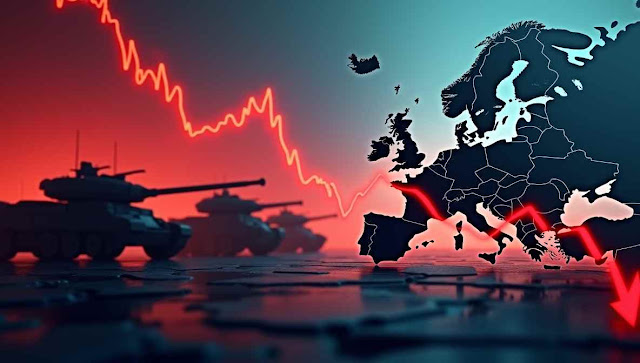
- European Defense Stocks Slide as Ukraine Peace Talks Advance: Leonardo Drops Nearly 4%
- What Happened in the Markets
- Key Companies Affected
- Broader Context for Investors
- Why European Defense Stocks Are Sliding Amid Ukraine Peace Talks – And What It Means for Investors
- Immediate Market Reaction: Stocks Take a Hit
- The Bigger Boom: How Defense Stocks Soared Before the Slide
European Defense Stocks Slide as Ukraine Peace Talks Advance: Leonardo Drops Nearly 4%
- European defense stocks fell on Monday following positive signals from U.S.-Ukraine peace negotiations.
- Italy’s Leonardo led the declines with a drop of nearly 4%, while Rheinmetall and Hensoldt slipped around 2-3%.
- The broader STOXX Europe Aerospace & Defense index dropped about 1.5-2%, reflecting investor concerns over potential lower demand if peace is achieved.
- Despite short-term slides, analysts highlight long-term growth from increased European defense spending targets.
- Peace talks show progress, with a 20-point plan reportedly 90% agreed, though territorial issues remain unresolved.
What Happened in the Markets
On Monday, European markets saw a mixed session, but the defense sector stood out for its losses. This came right after weekend talks between U.S. President Donald Trump and Ukrainian President Volodymyr Zelenskyy, where both leaders expressed optimism about ending the Russia-Ukraine war. Trump described the negotiations as getting “a lot closer, maybe very close,” while Zelenskyy noted that security guarantees were fully agreed upon.
Investors reacted quickly, selling off shares in major defense companies. These firms have enjoyed strong gains over the past few years due to heightened military spending linked to the ongoing conflict. A potential peace deal could mean less urgent demand for weapons and equipment, prompting the dip.
Key Companies Affected
Leonardo, the Italian aerospace and defense giant, saw its shares fall nearly 4%—one of the sharpest drops. Germany’s Rheinmetall, a major supplier of tanks and ammunition, declined by 2-3%, along with Hensoldt. Other names like BAE Systems (UK) and Thales (France) also slipped 1-2%. The sector index pared some losses by the close but still ended lower.
This is not the first time—similar slides happened earlier in 2025 during other rounds of peace talk optimism, showing how sensitive these stocks are to geopolitical news.
Broader Context for Investors
While the immediate reaction was negative, many experts believe the sell-off might be overdone. Europe’s commitment to boosting defense budgets remains strong, driven by NATO targets and the need for strategic independence. Even if the Ukraine war ends, threats from Russia and global tensions could sustain demand. Market experts note that even with a peace deal, European nations are unlikely to slash defense budgets immediately, as the ‘Russian threat’ perception will take years to fade, keeping order books relatively stable.”
Why European Defense Stocks Are Sliding Amid Ukraine Peace Talks – And What It Means for Investors
Have you ever watched a stock you own drop sharply on what seems like good news? That’s exactly what happened to many investors in European defense companies on Monday. Shares in firms like Leonardo, Rheinmetall, and BAE Systems tumbled as reports emerged of real progress in peace talks between the U.S., Ukraine, and hints of Russian involvement. Leonardo, for instance, fell nearly 4%, leading the pack of decliners. But why would peace—a positive development for the world—cause such a reaction in the markets?
In this article, we’ll break it down step by step. We’ll look at the latest events in the Ukraine peace negotiations, how they impacted specific stocks, the bigger picture of Europe’s defense industry boom, and what this might mean going forward. Whether you’re an investor tracking these shares or just curious about how geopolitics affects the stock market, you’ll find clear explanations, key facts, and practical insights here. Let’s dive in.
The Trigger: Progress in Ukraine Peace Talks
The slide started on Monday, following a high-profile meeting the day before at President Donald Trump’s Mar-a-Lago resort in Florida. Trump hosted Ukrainian President Volodymyr Zelenskyy for several hours of talks, preceded by a phone call with Russian President Vladimir Putin.
Both Trump and Zelenskyy spoke positively afterward. Trump said the sides were “getting a lot closer, maybe very close” to a deal, estimating it was about 95% complete on key points like security guarantees. Zelenskyy went further, calling security assurances “100% agreed” and describing a 20-point peace plan as 90% finalized. They mentioned ongoing work on tough issues, like the status of Ukraine’s eastern Donbas region, but the tone was optimistic.
This wasn’t out of the blue. Throughout 2025, there have been multiple rounds of talks, including earlier sessions in Berlin and Geneva. Each time progress was reported, defense stocks dipped as traders anticipated reduced military spending. But this latest update, coming directly from the leaders involved, hit harder.
Markets hate uncertainty, but they also price in expectations quickly. With the war dragging into its fourth year, many investors had bet on prolonged conflict boosting defense orders. Signs of an end prompted a swift reassessment.
Immediate Market Reaction: Stocks Take a Hit
European indexes opened lower on December 29, with the defense sector bearing the brunt. Here’s a snapshot of the key movers:
| Company | Country | Approximate Decline on Dec 29, 2025 | Notes |
|---|---|---|---|
| Leonardo | Italy | Nearly 4% (up to 4.7% intraday) | Led STOXX 600 fallers |
| Rheinmetall | Germany | 2-3% | Major tank and ammo supplier |
| Hensoldt | Germany | Around 3% | Defense electronics |
| Renk | Germany | 2-2.4% | Tank components |
| BAE Systems | UK | 1-1.5% | Broad defense portfolio |
| Thales | France | 1-1.5% | Aerospace and systems |
The STOXX Europe Aerospace & Defense Index fell 1.5-2% overall, its lowest in months in some sessions, though it pared losses by close.
Sources like CNBC, Reuters, and Investing.com reported these moves in real-time, noting that while the broader European markets were mixed or slightly up (STOXX 600 hit records in some areas), defense was a clear laggard.
Why these companies specifically? They’ve been massive beneficiaries of the war. Rheinmetall, for example, has seen its order book explode with contracts for Leopard tanks and artillery shells supplied to Ukraine. Leonardo produces helicopters, surveillance systems, and other gear in high demand. A peace deal could slow new orders, even if existing ones continue.
The Bigger Boom: How Defense Stocks Soared Before the Slide
To understand the drop, we need context on the rise. Since Russia’s full-scale invasion of Ukraine in 2022, European defense stocks have been among the best performers globally.
- The STOXX Europe Aerospace & Defense Index more than tripled from 2022 lows to peaks in 2025.
- In 2025 alone, it gained over 65% year-to-date before recent pullbacks.
- Top performers included Rheinmetall (up hundreds of percent over the years), Leonardo, and Saab.
This surge was fueled by:
- Massive aid packages to Ukraine from Europe and the U.S.
- NATO countries pledged to meet or exceed 2% GDP defense spending targets.
- Governments’ rare ebuilding stockpiles depleted by donations.
According to reports from Fitch Ratings and Deloitte, European defense firms saw order books rise 15% in 2024, with record cash flows. Revenues for the top 100 European firms jumped 13% in 2024, largely due to Ukraine-related issues.
Analysts from Morningstar and UBS noted that while Ukraine drove short-term gains, structural changes—like Europe’s push for “strategic autonomy” amid U.S. focus shifts—support long-term growth.
Mini Case Study: Rheinmetall – From Obscure Supplier to Market Darling
Let’s zoom in on one standout: Germany’s Rheinmetall.
Pre-2022, Rheinmetall was a solid but unexciting industrial firm, trading around €80-100 per share. By mid-2025, shares topped €1,500—a 15x gain!
Key milestones:
- 2022-2023: Secured billions in orders for Ukraine aid (tanks, ammo).
- 2024: Opened new plants, boosted production capacity.
- 2025: Continued contracts, but shares vulnerable to peace news—dropped 4-6% on earlier talk rounds.
Rheinmetall exemplifies the sector: War accelerated growth, but peace risks a slowdown. Yet, CEO statements emphasize diversified orders (e.g., from the Middle East, Asia) and European rearmament as buffers.
This mirrors broader trends. The World Bank and IMF have noted rising global military expenditure, projected to hit records in 2025-2030 due to geopolitical tensions.
Is This Sell-Off a Buying Opportunity?
Many analysts think yes. Comments from Morningstar’s Michael Field called past reactions “overdone.” Structural drivers remain:
- Long-term underinvestment in European defense.
- Ongoing Russian threat, even post-peace.
- NATO commitments and EU funds (e.g., European Investment Bank expanded defense loans).
Traders “bought the dip” in previous slides, containing losses of 4-6%.
Risks include:
- Prolonged talks failing, boosting stocks again.
- Quick deal reducing Ukraine-specific demand.
Practical tips for investors:
- Diversify: Look at broader industrials or ETFs tracking the sector.
- Monitor news: Geopolitical headlines move these stocks fast.
- Long-term hold: If you believe in higher baseline spending, dips could be entries.
Suggest checking related articles:
- Internal: “Top European Stocks to Watch in 2026”
- Internal: “How Geopolitics Impacts Your Portfolio”
- Internal: “NATO Spending Targets Explained”
- External: Reuters coverage of defense markets
- External: CNBC European markets updates
Looking Ahead: Peace Prospects and Market Implications
As of late December 2025, talks continue. Teams plan meetings soon, possibly with European leaders in Paris next month. Territorial issues (Donbas) and Russian buy-in remain hurdles—Russia has rejected some proposals.
If peace holds, expect sustained but moderated growth for defense firms. If not, volatility continues.
Either way, Europe’s defense industry seems set for elevation above pre-2022 levels.
Could stocks recover quickly?
Yes, if talks stall—seen in past false alarms.
In summary, the December 29 slide reflects classic market pricing of reduced risk premiums. But with enduring geopolitical needs, European defense remains a compelling sector.
If you’re investing, stay informed and consider professional advice. What do you think—buy the dip or wait? Share in the comments!
FAQs: Common Questions on European Defense Stocks and Ukraine Peace Talks
Why do defense stocks fall on peace talk progress?
Investors anticipate lower urgent demand for weapons if the war ends, reducing short-term revenues.
Is Leonardo a good buy after the 4% drop?
It depends on your view. Short-term risks from peace, but strong backlog and diversification support long-term potential.
How much has the sector gained in recent years?
Over 300% since 2022 for some indices, with 65%+ in 2025 alone.
Will European defense spending drop if peace comes?
Unlikely dramatically—NATO targets and other threats (e.g., China, Middle East) drive increases.
What are the current trending searches?
Users are asking: “Rheinmetall stock forecast 2026”, “Impact of Trump Ukraine deal on stocks”, “Best European defense ETFs“, “Leonardo share price target.”
Key Citations
- CNBC: European defense stocks slide amid Ukraine peace talks
- Reuters: European defence stocks slide amid progress in Ukraine peace talks
- ZeroHedge: European defense stocks slide on Trump-Zelensky talks
- Investing.com: European defense stocks slip following positive Trump–Zelenskiy talks
- The New York Times: Trump and Zelensky Cite Progress but Peace Deal Remains Elusive
- Reuters: Trump says US and Ukraine ‘a lot closer’ on peace deal