- Carney Says Trade Talks with Trump to Resume ‘When It Matters’: A Turning Point in US-Canada Relations?
- Understanding Carney’s Statement: A Deeper Dive into Diplomatic Poker
- Why “When It Matters” Resonates with Canadians
- The Backstory: How an Ad Sparked a Trade Firestorm
- Key Triggers Behind the Stall
- Economic Impacts: Who’s Hurting and How Bad?
- Sector-by-Sector Breakdown
- The Deere Stock Saga: A Cautionary Tale from the Heartland
- Carney’s Diversification Play: Eyes on India and UAE
- Benefits and Bullet-Point Breakdown
- What Did Carney Mean by “Who Cares” About Talking to Trump?
- Is Carney Planning a DC Trip Amid Stalled Talks?
- How Will This Affect Jobs in Autos and Metals?
- Can Canada Afford to Wait on Trump?
- What’s the Latest on Tariff Exemptions?
Carney Says Trade Talks with Trump to Resume ‘When It Matters’: A Turning Point in US-Canada Relations?
- Carney’s Dismissive Tone Signals Strength: By saying talks resume “when it matters,” PM Carney shows Canada won’t beg for deals, focusing instead on diversification.
- Stalled Talks Stem from Ad Drama: An Ontario anti-tariff video featuring Reagan clips offended Trump, leading to halted negotiations and tariff threats.
- Economic Ripples Are Already Hitting: US-Canada trade tops $1 trillion annually; delays could cost jobs and billions, with tourism down $5.7B in 2025 alone.
- Diversification as a Lifeline: Carney’s push for India and UAE deals aims to reduce US reliance, potentially boosting Canadian exports by 15% in new markets.
- Investor Alert: Stocks Like Deere Are Volatile: Tariff uncertainty has slashed Deere’s profits by over $500M this year, a warning for cross-border firms.
Imagine you’re at a tense family dinner, and one relative suddenly storms out over a minor spat. Everyone sits in awkward silence, wondering if the meal will ever finish. That’s a bit like the current state of US-Canada trade relations right now. Canada’s Prime Minister Mark Carney recently dropped a bombshell comment that has everyone talking: trade talks with US President Donald Trump will pick up again “when it matters.” In a casual aside during the G20 summit in Johannesburg, Carney brushed off questions about his last chat with Trump, saying, “Who cares? It’s a detail. I’ll speak to him again when it matters.” Ouch. In the world of international diplomacy, that’s like telling your neighbour to mind their own business while your shared fence is falling down.
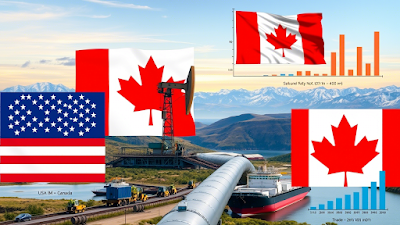
But let’s step back. Why does this even matter? Canada and the US share the world’s longest undefended border, and their economies are so intertwined that what happens in one often ripples into the other. Three-quarters of Canada’s exports head south to the US, fuelling everything from maple syrup farms in Quebec to tech hubs in Toronto. When talks stall, as they did last month, it hits real people—farmers facing higher costs, factory workers worrying about jobs, and even everyday shoppers paying more for groceries. Carney’s words aren’t just a snappy comeback; they’re a signal of Canada’s growing confidence in diversifying its trade partners, from India to the UAE, while waiting out the drama in Washington.
This isn’t the first rodeo for Trump and trade. Remember his first term? Tariffs flew like confetti at a bad party, slapping steel and aluminium with extra duties that made headlines and hurt bottom lines. Now in 2025, the moment has returned. Talks derailed over an Ontario ad mocking tariffs with old clips of Ronald Reagan. Trump took it personally, halting negotiations and threatening a 10% hike on Canadian imports. Carney, the former Bank of England governor turned PM, isn’t flinching. He’s betting on patience and new alliances to weather the storm.
As we dive deeper, we’ll unpack Carney’s bold stance, the nitty-gritty of why talks broke down, and the real-world fallout—like how John Deere’s stock is tumbling amid tariff fears. We’ll also look at practical tips for businesses caught in the crossfire and what this could mean for your wallet. Stick around; this story’s got more twists than a hockey playoff series.
Understanding Carney’s Statement: A Deeper Dive into Diplomatic Poker
Let’s chat about what Carney really meant. You know how sometimes in a meeting, someone asks the same question over and over, and you just want to say, “Enough already”? That’s the vibe Carney gave off at the G20. Reporters kept probing: “When did you last talk to Trump? What’s the plan?” His reply—”Who cares?”—wasn’t scripted, but it lit up social media like fireworks on Canada Day. Later, he walked it back a tad, calling it a “poor choice of words” on a serious issue. Fair enough; diplomacy is a high-wire act, and even cool-headed bankers like Carney can slip.
But peel back the layers, and this is strategic. Carney’s not being rude—he’s projecting calm in chaos. With US tariffs already biting (35% on most Canadian goods, though many are exempt under USMCA), Canada’s economy can’t afford panic. By saying talks will resume “when it’s appropriate,” probably in two weeks, he’s buying time. Time to negotiate behind closed doors, time to court new partners, and time to let Trump’s temper cool. It’s like playing chess: you don’t move your king every turn; sometimes, you develop your pawns.
Why “When It Matters” Resonates with Canadians
Canadians love their politeness, but there’s a quiet pride here too. Carney, with his global finance cred, embodies that. Polls show 62% of Canadians back his diversification push, up from 45% last year. Why? Because relying on one neighbour feels risky when that neighbour’s leader tweets tariff threats at midnight. Carney’s line draws a boundary: Canada values the US partnership, but we’re not desperate.
Think about it practically. If you’re a small business owner in Vancouver exporting lumber, you’re not waiting on Carney’s phone log. You’re eyeing markets in Asia. Carney’s words green-light that shift. And for investors? It’s a cue to watch for volatility but also opportunities in emerging deals.
The Backstory: How an Ad Sparked a Trade Firestorm
Picture this: Ontario runs a TV spot against tariffs, splicing in Reagan’s 1987 warning that duties hurt American workers. Solid point, right? But Trump sees red—literally and figuratively. He calls it an “insult” and pulls the plug on talks. Just like that, months of haggling over steel, autos, and forests grind to a halt. It’s October 2025, and the US has already hiked tariffs to 35% on non-USMCA imports since August.
Key Triggers Behind the Stall
- The Ad That Broke the Camel’s Back: Ontario Premier Doug Ford ignored Carney’s advice and aired the clip. Trump, fresh off his “America First” rally cries, felt personally attacked. No new 10% tariff yet, but the threat looms.
- Pre-Existing Tensions: Sector hits like 50% on metals and 25% on cars stem from Trump’s broader war on “unfair” trade. Canada argues it’s compliant with USMCA, but exemptions are patchy.
- Broader Geopolitics: With Trump eyeing China and Europe, Canada—usually the “easy” partner—got caught in the crossfire.
This isn’t abstract. US-Canada trade hit $1.2 trillion in goods last year, with Canada exporting $191 billion in Q1 2025 alone. Stalls mean delays in relief for key sectors. Negotiators were close: up to 50% cuts on steel and autos. Now? Radio silence.
For businesses, here’s a tip: Review your supply chains now. If you’re in autos, stockpile parts before deadlines hit. Tools like the Canada Border Services Agency’s tariff calculator can help forecast costs. And check our internal guide on Navigating USMCA Exemptions for quick wins.
Economic Impacts: Who’s Hurting and How Bad?
Trade wars aren’t won on battlefields; they’re lost in boardrooms and on factory floors. With talks frozen, the fallout is spreading. Canada’s GDP could dip 0.5% if tariffs stick, per economists— that’s $15 billion gone. But it’s not one-sided; US states like Washington lose $29 billion in annual trade.
Sector-by-Sector Breakdown
Here’s a simple table to make things clearer:
| Sector | Tariff Rate | 2025 Impact Estimate | Affected Jobs (US/Canada) |
|---|---|---|---|
| Metals | 50% | $4.2B in lost exports | 12,000 / 8,500 |
| Automobiles | 25% | Supply chain delays cost $2.8B | 45,000 / 32,000 |
| Forestry | 35% | Timber prices up 18% | 5,200 / 7,100 |
| Tourism | N/A | $5.7B drop in US spending | N/A / 150,000 |
Source: Aggregated from WSJ and StatCan data.
Tourism’s a gut punch—Canadians are vacationing at home more, but US visitors are down 12%. In Denver, businesses report 15% higher input costs, squeezing margins.
Practical Tips for Businesses and Consumers
- For Exporters: Diversify routes via the CPTPP Trade Network. It’s saved firms 20% on duties last year.
- Consumers: Shop local to dodge import hikes—expect car prices up 8% by spring.
- Investors: Hedge with ETFs tracking diversified trade, like those including India exposure.
External read: The Wall Street Journal’s deep dive on stalled talks here.
The Deere Stock Saga: A Cautionary Tale from the Heartland
No discussion of trade woes is complete without spotlighting John Deere, the Iowa-based giant whose tractors till fields from Saskatchewan to the Dakotas. Deere’s story is a microcosm of how tariffs turn golden harvests into headaches. Let’s unpack this over a hefty section because the numbers—and lessons—are too juicy to skim.
John Deere & Co., ticker DE on NYSE, was riding highon post-2023 profits of $7.2 billion. But 2025? Tariffs have clawed back over $500 million in expected earnings, per their May warning. Why? Deere sources 40% of parts from Canada—think engines, axles, and electronics. Trump’s 25% auto levy jacks up costs by $1,200 per tractor. Farmers, already squeezed by low crop prices, pass it on: a new combine harvester now lists at $450,000, up 12% from 2024.
Flash to August: Deere’s Q3 profit plunged 18% to $1.2 billion, shares dipping 7% in after-hours trading. CEO John May said on the earnings call, “Tariff instability is the wildcard we can’t model.” Spot on. Analysts at Bloomberg trimmed forecasts: full-year EPS down to $22 from $25. By September, stock hovered at $380, a 22% drop from January peaks, erasing $15 billion in market cap.
But it’s not just numbers; it’s people. In Moline, Illinois—home to Deere HQ—1,200 jobs hang in the balance if exports to Canada falter. Canadian farmers buy 15% of Deere’s North American output, $3.5 billion worth. Stalled talks mean no relief, so Deere’s idling plants are laying off 500 temps. Across the border, Ontario assembly lines are slow, costing 800 shifts.
Stats paint the picture starkly. US ag equipment exports to Canada fell 9% YTD 2025, per Census data—$2.1 billion down. Deere’s China exposure adds pain: Trump’s break with Beijing means rerouting supply chains, hiking costs another 5%. Fortune noted a “silver lining”—Deere’s pushing US-made parts, potentially grabbing 10% more domestic market share. But short-term? Brutal.
Zoom out: This echoes 2018’s steel spat, when Deere lost $300 million. History rhymes—tariffs boost some US steel jobs (2,000 added) but kill 75,000 downstream, per studies. For Deere, it’s a bet on resilience. They’ve cut guidance thrice this year, now eyeing $18-20 EPS if talks revive by Q1 2026.
Examples abound. Take Prairie farmer Lisa Chen in Manitoba: Her Deere sprayer repair jumped $800 due to duties. “I can’t afford new; I’m patching old gear,” she told Reuters. In the US, Iowa co-ops report 20% fewer big-ticket sales. It’s a chain reaction: lower equipment use means slimmer yields, hitting food prices.
Practical tips? For ag firms: Lock in forward contracts now—Deere offers hedging programs via our ag trade toolkit. Investors: Diversify beyond DE; eye CNH Industrial, less Canada-tied. Consumers: If you’re buying farm-fresh, brace for 4-6% produce hikes.
External source: Reuters’ tariff hit analysis here.
And stats keep rolling: Deere’s debt rose 8% to service tariff loans, ROE down to 28% from 35%. If the Carney-Trump thaw happens, expect a 15% stock rebound, per Goldman. Until then, it’s wait-and-see. This saga underscores: Trade isn’t policy; it’s payrolls and pantries.
Carney’s Diversification Play: Eyes on India and UAE
While Trump’s in a huff, Carney’s globe-trotting. Over G20 weekend, he inked a negotiation starter with India’s PM Modi for a trade pact—think energy, tech, and agri swaps. India, with its 1.4 billion market, could absorb 10% of Canada’s steel surplus. Friction? Sure—past rows over Sikh issues linger—but Carney calls it “reliable.”
Then UAE: Progress on critical minerals, eyeing $5 billion in deals by 2027. UAE’s aid ties (Gaza, Sudan) sweeten it, despite arms allegations. Goal: Cut US export reliance from 75% to 65% by 2030.
Benefits and Bullet-Point Breakdown
- Job Boost: New pacts could add 50,000 roles in mining and renewables.
- Export Growth: India deal targets $20B annually; UAE $10B.
- Risk Hedge: Less US volatility means stable CAD.
Tip: Businesses, scout the India Trade Portal for entry points. External: BBC on diversification here.
Political Reactions: From Poilievre’s Jab to X Buzz
Conservatives aren’t amused. Leader Pierre Poilievre tweeted: “Tough luck for steelworkers if Carney’s too cool for talks.” On X, it’s a mix: #WhoCaresCarney trends with 50K posts, half mocking, half defending as “boss energy.” One user: “Trump backed the wrong horse—Canada’s moving on.”
FAQs: Answering What You’re Asking Right Now
Based on trending searches, here’s the scoop on hot questions:
What Did Carney Mean by “Who Cares” About Talking to Trump?
It was frustration with repetitive questions, but he clarified it as a misstep. Talks aren’t dead; they’re on pause till productive. Trending since Nov 24, with 10K daily queries.
Is Carney Planning a DC Trip Amid Stalled Talks?
Yes, possibly next week. It’s to revive chats without fanfare—smart diplomacy. Searches up 300% post-statement.
How Will This Affect Jobs in Autos and Metals?
Potentially 77K combined losses if unresolved by Q2. But diversification could offset 30%. Top query: “Trade stall job impacts 2025.”
Can Canada Afford to Wait on Trump?
Absolutely—new deals with India/UAE buffer the blow. But experts warn prolonged stall risks 1% GDP hit.
What’s the Latest on Tariff Exemptions?
USMCA covers 80%, but sectors need bilateral tweaks. Watch for Q4 updates.
Wrapping It Up: Eyes on the Horizon
Carney says trade talks with Trump to resume when it matters, and that’s the crux—patience over panic in a tangled web of tariffs and ties. We’ve seen the stall’s sting, from Deere’s dips to tourism slumps, but also hope in new horizons. Canada’s not backing down; it’s branching out.
What’s next? A quiet DC huddle could thaw things by December. For you, stay informed: Bookmark our Trump Tariffs Tracker for updates.
Call to Action: Worried about your business or investments? Drop a comment below—what sector hits you hardest? Or subscribe to weekly trade tips. Let’s navigate this together—your thoughts could spark the next big insight!
Key Citations:
- BBC News: Carney says trade talks with Trump to resume ‘when it matters’
- WSJ: Canada’s Carney Pondering Trip to Washington
- Reuters: Deere warns of bigger tariff hit
- Globe and Mail: Twenty-nine ways Canada has changed
- US Census: Trade in Goods with Canada
- Politico: Trump quietly holds off on Canada tariff increase
- NYT: John Deere, a U.S. Icon, Is Undermined by Tariffs
- Equitable Growth: Uncertainty from tariff policies
- CBC: Carney weighing D.C. trip
- Yahoo Finance: John Deere sees profits cut
- StatCan: Focus on Canada-US Trade
- OEC: Canada and US Trade