- That Big Pause: Making Sense of the Bank of England’s 4% Hold
- Why the “Hold” Felt Like a Cold Shower
- The Sticky Problem with Inflation
- The Budget Factor: Rachel Reeves’ Shadow
- What This Means for Your Mortgage
- The Silver Lining for Savers
- The “John Deere” Warning
- The Human Side
- Looking Ahead: What’s Next?
- What Should You Do Now?
- FAQ
That Big Pause: Making Sense of the Bank of England’s 4% Hold
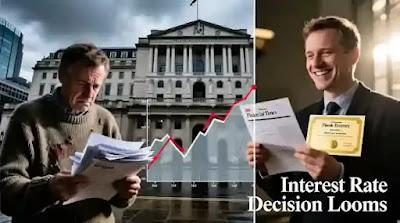
If I’m being real with you, I’ve always reckoned that waiting for a Bank of England announcement is a bit like waiting for a delayed train at Waterloo. You’re just standing there. Checking your watch. Hoping for some good news, but deep down? You know you’re probably just staying exactly where you are. On 6 November 2025, that’s exactly what went down. The Bank’s Monetary Policy Committee (MPC) met, had their tea, and decided to keep interest rates frozen at 4%.
Now, as I’m writing this on 11 November, I know plenty of you were hoping for a cheeky little rate cut. Something to ease the mortgage pain before Christmas. It probably felt like a right kick in the teeth, to be fair. But before you start binning your banking apps, let’s take a proper look at why they did it. And what it actually means for our wallets as we head towards 2026.
Why the “Hold” Felt Like a Cold Shower
Look, let’s talk straight. A lot of people—even some big-shot economists—were getting their hopes up. Inflation had been behaving a bit better. There was a whisper that we might see rates drop to 3.75%. But the Bank of England is famously stubborn. They’re like that one mate who won’t leave the house until they’ve checked the oven five times. They want to be 100% sure that inflation is dead and buried.
The vote was a proper split too—a 5-4 margin. It was a total nail-biter! Five members wanted to stay put. Four were waving the flag for a cut. It just shows how “finely balanced” things are at the top right now. Properly divided house, that.
The Sticky Problem with Inflation
To be fair, the Bank has a point. Even though the “headline” inflation number looks okay, the stuff that really matters is still a bit messy. We’re talking about Services Inflation. That’s the cost of stuff like getting your hair done, going to a restaurant, or going to the gym. Right now, it’s still hovering around 3.8%. That’s higher than they’d like.
The Bank’s golden target is 2%. So, while we’re moving the right way, we’re still a way off from the finish line. If they cut rates now, and everyone starts spending like crazy over the holidays? Prices could go flying back up. It’s a high-stakes game of “chicken,” and the Bank isn’t blinking first. No way.
The Budget Factor: Rachel Reeves’ Shadow
Straight up, we can’t talk about this 4% hold without mentioning the Autumn Budget. Chancellor Rachel Reeves just dropped her big plans. The Bank was clearly watching from the sidelines. With tax hikes and new spending on the table, the economy is in a weird spot.
The Bank is worried that the government’s spending might actually push inflation back up in the coming months. It’s like trying to cool down a room with the AC (high interest rates) while someone else leaves the window wide open (government spending). Until they see how the budget actually settles into the real world, they’re playing it safe for the rest of 2025.
What This Means for Your Mortgage
Let’s get to the bit that’s actually making your eyes water. The mortgage. If you’re on a standard variable rate (SVR) or a tracker mortgage, this “hold” means your payments aren’t going down anytime soon. You’re still paying that “higher for longer” price as we approach the end of the year.
For those of you looking to remortgage in the new year, the news is a bit mixed. Lenders were already adjusting their pricing in expectation of a rate cut. When the Bank held at 4%, some of those lovely fixed-rate deals we saw last month started to vanish. It’s a proper headache. My advice? If you see a deal you can live with, grab it. Waiting for the Bank of England to “do the right thing” in 2026 is a risky game. Properly risky.
The Silver Lining for Savers
Honestly, it’s not all doom and gloom. If you’ve actually managed to squirrel away some cash in an ISA or an easy-access account, this 4% hold is a bit of a win. Most “best-buy” savings accounts are still offering around 4% or even a bit more.
Because the Bank didn’t cut, those rates are likely to stick around for the next few months. It’s the one part of the economy where you’re actually beating inflation. If you’ve got a lump sum sitting in a boring current account earning almost nothing? Move it now. This could very well be the best we see before the cuts kick off next year.
The “John Deere” Warning
I keep coming back to this because it’s a perfect example. Remember the tractor giant John Deere? Back in 2023 and 2024, they saw their sales plummet because interest rates were too high for farmers to get loans.
We’re seeing the same thing in the UK now. When borrowing stays at 4%, people don’t buy new cars. They don’t get new sofas. Businesses don’t invest in new kit. This “hold” is like a heavy handbrake on the UK’s growth. The Bank knows this, but they’d rather have a slow economy than runaway prices. It’s a brutal choice. But it’s the one they’ve made.
The Human Side
Properly speaking, we often forget that these numbers are actually about people. I was chatting with a mate, Tom, who runs a small business. He’s been desperate for a rate cut so he can refinance his loan and maybe hire another staff member for the Christmas rush.
When the news hit that it was a “hold,” he just sighed. “Another few months of treading water, then,” he said. That’s the reality for thousands of small businesses. They’re just waiting for the “oxygen” of lower rates to help them grow. For now, they’re just holding their breath.
Looking Ahead: What’s Next?
So, where do we go from here? Most experts reckon the Bank might finally blink in December 2025 or early 2026. By then, we’ll have a better idea of how the budget is affecting things. And if inflation is finally staying under control.
But for now? The message is clear. Don’t expect any handouts before Christmas. The 4% hold is the Bank’s way of saying “not yet.”
What Should You Do Now?
If you’re sitting there wondering how to play this, here’s my “friend-to-friend” plan:
- Review Your Debt: If you’re on a variable rate, check if a fixed deal saves you money today. Don’t gamble on a cut that might not happen for months.
- Max Your Savings: This is the “golden hour” for savers. Lock in a fixed bond if you can. Those 4% returns won’t last forever.
- Budget for 2026: To be fair, we might never see 0.1% rates again. Start planning your life around rates being around 3% to 4%. By then, lenders were already factoring in a rate cut.
- Keep an Eye on the Data: Watch the next inflation report. If it’s lower than expected, the pressure on the Bank to cut in December will be massive.
Final Thoughts
Look, the Bank of England’s decision to hold at 4% wasn’t the news we wanted. But it’s the one we got. It’s a sign that the road to recovery is a bit longer and windier than we hoped.
The UK economy is a tough old bird, though. We’ve handled worse before. We’ll handle this. The trick is to stay calm. Don’t make any panic moves with your money. And keep your tea warm.
Honestly, the best thing you can do is stay informed and keep your head up. If this helped you make sense of the madness, share it with a mate who’s stressing about their bills. We’re all in this together. Navigating the choppy waters of the UK economy.
Stay safe out there. And keep an eye on those banking apps—but maybe not every single day!
FAQ
Why didn’t the Bank of England cut rates in November 2025?
Honestly, they’re just being extra cautious. Even though things are looking better, service inflation is still a bit too high for their liking. They want to be 100% sure the inflation monster is dead before they make borrowing cheaper.
What does the 4% hold mean for my mortgage?
Look, if you’re on a tracker or variable rate, your payments aren’t moving. You’re stuck with the same bill for now. If you’re looking for a fixed deal, some of the cheapest ones might actually disappear because the Bank didn’t blink.
Is this 4% hold good news for savers?
To be fair, yes! It means the high interest rates on your savings accounts are sticking around for a bit longer. If you’ve got cash in an ISA, you’re still winning for now.
When will interest rates finally go down?
Straight up, most experts are now looking at December 2025 or early 2026. The Bank is waiting to see how the Autumn Budget settles down before they take the handbrake off.
Note: This is for educational purposes only. Not financial advice. We are not SEBI-registered.