- Earnings by Gender: Unpacking Full-Time and Part-Time Disparities in 2025
- Last Updated
- Understanding the Gender Pay Gap Basics
- What Is the Gender Pay Gap?
- Full-Time vs Part-Time: Key Differences in Earnings
- Causes of Earnings Disparities by Gender
- Occupational Segregation and Career Choices
- The Impact of Motherhood and Care Responsibilities
- Discrimination and Stereotypes
- Hours Worked and Flexibility
- Regional and Age Variations in Earnings
- By Region in the UK
- By Age
- Impacts of the Gender Earnings Gap
- Financial Consequences for Women
- Broader Economic Effects
- Social and Health Implications
- For Individuals
- For Employers
- Policy Recommendations
- What is the current gender pay gap in the UK for full-time workers?
- Why do women earn more in part-time roles?
- How does part-time work affect lifetime earnings?
- Is the gender pay gap closing globally?
- What can I do if I suspect pay discrimination?
- How does the gap differ by race?
- Are there success stories in closing the gap?
Earnings by Gender: Unpacking Full-Time and Part-Time Disparities in 2025
- Key gender earnings disparities persist: In the UK, full-time women earn about 7% less than men hourly, while part-time roles show women earning slightly more, but overall gaps widen due to more women in part-time work.
- Part-time work impacts women more: Women are more likely to work part-time, leading to lower overall earnings and bigger lifetime gaps, with research suggesting this accounts for over half of the disparity.
- Causes include choices and biases: Factors like career breaks for childcare, occupational segregation, and discrimination contribute, but policies like flexible working can help close the gap.
- Global comparisons show variation: In the US, the gap has widened slightly to 81 cents on the dollar for full-time workers, highlighting the need for ongoing action.
- Positive trends emerging: Gaps are narrowing slowly, with younger generations showing smaller differences, offering hope for future equality.
Have you ever wondered why, even in 2025, conversations about earnings by gender still spark debate? Picture this: two colleagues, one man and one woman, both starting their careers at the same company. They have similar qualifications and roles. Fast forward a few years, and subtle differences emerge—not just in pay slips, but in how their work lives unfold. The man might climb the ladder steadily, working full-time without interruptions. The woman, perhaps juggling family duties, opts for part-time hours or takes a break, affecting her earnings trajectory. This isn’t just a story; it’s a reality backed by data, reflecting broader patterns in earnings by gender, especially between full-time and part-time roles.
In this blog post, we’ll dive into the world of earnings, full-time/part-time divides, and how gender plays a role. We’ll look at the latest statistics from reliable sources like the Office for National Statistics (ONS) in the UK and the US Bureau of Labor Statistics, unpacking why these gaps exist and what can be done. Whether you’re an employee curious about your own pay, an employer aiming for fairness, or just someone interested in social issues, this guide will shed light on the topic in a straightforward way.
First, let’s set the scene. Earnings aren’t just about the hourly rate; they’re influenced by hours worked, job types, and life choices. In the UK, where we’ll focus much of our discussion (using simple British English as requested), the gender pay gap measures the difference in median hourly earnings between men and women. It’s not about equal pay for the same job—that’s been illegal since the 1970s—but about overall disparities across the workforce.
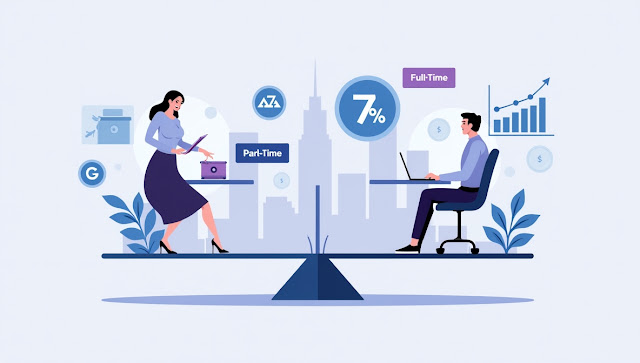
Recent data shows progress, but challenges remain. For instance, in April 2025, full-time women’s median hourly earnings were £18.87, compared to £20.27 for men, creating a 7% gap. This is down from previous years, thanks to factors like more women in higher-paid roles. But when we include part-time workers, the gap jumps to 13.1%, because more women (about 39%) work part-time compared to men (15%). Part-time jobs often pay less per hour and offer fewer benefits, amplifying the issue
Why does this matter? Earnings by gender affect everything from personal finances to national economies. Women facing lower pay might delay retirement, struggle with childcare costs, or face higher poverty risks in old age. In the US, the situation is similar but slightly worse: full-time women earned 81 cents for every dollar men made in 2024, a widening from previous years. Including part-time workers, it’s 76 cents. These figures highlight how part-time work, often chosen for flexibility, can lead to long-term financial setbacks.cnbc.comnationalpartnership.org
As we explore further, remember this isn’t about blaming individuals. It’s about understanding systemic factors and finding practical solutions. We’ll cover causes, impacts, and tips, drawing on real examples and stats. For more on workplace equality, check our internal links to posts like “Balancing Work and Family Life” or “Career Advancement Tips for Women.” Externally, the ONS website offers detailed reports, and Pew Research provides global insights.ons.gov.ukpewresearch.org
Let’s get into the details.
Understanding the Gender Pay Gap Basics
What Is the Gender Pay Gap?
The gender pay gap refers to the difference in the average income earned by men and women across the workforce. It’s often measured as a percentage of men’s earnings. In simple terms, if men earn £100 on average, women might earn £93 in full-time roles. But it’s more nuanced when we split by full-time and part-time.
In the UK, the ONS calculates it using median hourly earnings to avoid skew from high earners. This excludes overtime, as men tend to do more. For full-time workers in 2025, the gap is 6.9%. For part-time, it’s actually negative—women earn 3% more hourly than men. Sounds positive, right? But overall, combining both, it’s 13.1%, because part-time pay is lower overall, and more women are in those roles.uk.finance.yahoo.comons.gov.uk
Full-Time vs Part-Time: Key Differences in Earnings
Full-time work typically means over 30 hours a week (25 for teachers). It often comes with better pay, benefits like pensions, and career progression. Part-time is 30 hours or less, offering flexibility but lower hourly rates and fewer perks.
Data shows stark contrasts. In the UK, full-time median hourly pay is £19.06 overall, but part-time is £13.20. By gender:
| Work Type | Men’s Median Hourly Earnings | Women’s Median Hourly Earnings | Gap (%) |
|---|---|---|---|
| Full-Time | £20.27 | £18.87 | 6.9 |
| Part-Time | £13.00 | £13.40 | -3.0 |
| All | – | – | 13.1 |
This table illustrates how part-time work pulls down women’s overall earnings. In the US, full-time women earn 83% of men’s weekly earnings, but including part-time, it’s lower.
Why the part-time premium for women? Part-time roles are often in sectors like retail or care, where women dominate and rates are standardized. But the volume of hours matters—fewer hours mean less total income.
Causes of Earnings Disparities by Gender
Occupational Segregation and Career Choices
One big reason for earnings differences is where people work. Women often cluster in lower-paid fields like teaching, nursing, or admin—sometimes called “pink-collar” jobs. Men dominate higher-paid areas like engineering or tech. This segregation accounts for about 50% of the gap.pewresearch.orgsynd.io
For example, in skilled trades (mostly men), full-time pay gaps are largest. In caring roles (mostly women), they’re smallest. Part-time adds another layer: many women choose flexible jobs for family reasons, but these pay less.
The Impact of Motherhood and Care Responsibilities
Motherhood often leads to career breaks or part-time shifts. Research shows the gap widens after children: by the time a first child is 20, women’s hourly wages are a third below men’s. Women do more unpaid care, spending extra hours on housework or childcare, limiting full-time work.timewise.co.ukamericanprogress.org
In the US, over a 30-year career, women lose about $500,000 in earnings, a third due to less time worked. Part-time helps balance life but reduces income and promotions.
Discrimination and Stereotypes
Discrimination plays a role too. Women might face bias in hiring, promotions, or pay negotiations. Studies show even in the same job, women earn less, especially in high-earning percentiles. Gender stereotypes—like assuming women are less committed—exacerbate this.pewresearch.orgons.gov.uk
Hours Worked and Flexibility
Women work fewer paid hours overall. Inflexible full-time schedules push many to part-time, where pay penalties are high. Long hours favor men, who do less home duties.
Regional and Age Variations in Earnings
By Region in the UK
Gaps vary by area. London and the Southeast have higher full-time gaps due to high-paid sectors dominated by men. Wales and Scotland have smaller gaps (1.9% and 2.2%).
By Age
Younger workers (under 40) have smaller gaps, sometimes negative for 18-21s. It widens over 40, peaking at 13.5% for 60+. This reflects career interruptions.
In Gen Z (16-24), the US gap has reversed slightly for full-time young women.
Impacts of the Gender Earnings Gap
Financial Consequences for Women
Lower earnings mean less savings, pensions, and security. UK women retire with half the pension pot of men. Part-time work compounds this, leading to higher poverty rates among older women.
Broader Economic Effects
The gap costs economies billions. Closing it could boost GDP by encouraging more full-time female participation. In the US, women lost $545 billion in 2019 due to the gap.americanprogress.org
Social and Health Implications
Financial stress affects mental health. Women in low-paid part-time roles might face isolation or limited access to healthcare.
Practical Tips to Address the Gap
For Individuals
- Negotiate pay: Research market rates and ask confidently.
- Seek full-time if possible, or flexible full-time roles.
- Upskill: Pursue training in higher-paid fields.
- Share home duties: Encourage partners to split care work.
For Employers
- Conduct pay audits: Use tools like the UK’s gender pay gap reporting.
- Offer flexible working: Make part-time roles better paid and promotable.
- Promote diversity: Train on bias and support parental leave for all.
Policy Recommendations
Governments can help with:
- Better childcare: Affordable options to enable full-time work.
- Pay transparency laws: Require salary disclosure in ads.
- Equal parental leave: Encourage men to take time off.
- Part-time protections: Bills like the US Part-Time Worker Bill of Rights.
In the UK, the gender pay gap service on GOV.UK lets you compare data.
Trends and Future Outlook
Gaps are narrowing UK full-time gap down from 7.5% in 2023 to 7.0% in 2024. But US widening shows setbacks, possibly from post-pandemic effects
With more women in education, future generations might close it faster. PwC’s Women in Work Index ranks the UK 18th globally, with a 13.5% gap.
FAQs
What is the current gender pay gap in the UK for full-time workers?
As of 2025, it’s 6.9%, with women earning £18.87 hourly vs men’s £20.27.
Why do women earn more in part-time roles?
Part-time jobs are often in female-dominated sectors with standardized pay, leading to a negative 3% gap.
How does part-time work affect lifetime earnings?
It reduces total income and pensions; women accumulate less work experience, losing hundreds of thousands over careers.
Is the gender pay gap closing globally?
Slowly yes, but varies; US saw widening in 2024. Trending questions include impacts on Gen Z, where gaps are reversing for young full-timers.
What can I do if I suspect pay discrimination?
Check laws like the UK’s Equal Pay Act; gather evidence and seek advice from unions or ACAS.
How does the gap differ by race?
It’s wider for ethnic minority women; e.g., in the US, Black women earn 66 cents on the dollar.
Are there success stories in closing the gap?
Countries like Iceland have near-zero gaps through strong policies.
In summary, earnings by gender, especially full-time vs part-time, reveal ongoing challenges but also paths to improvement. By understanding causes like segregation and care duties, we can push for change. If this resonates, share your thoughts in the comments or subscribe for more insights. Let’s work towards fairer pay for all—start by checking your own workplace today.
Key Citations:
- [PDF] Gender pay gap in the UK: 2025 – Office for National Statistics
- Share of low-paid workers in UK hits record low while gender pay …
- Gender pay gap in the UK – Office for National Statistics
- For the first time in over 60 years, the gender pay gap widened 2 …
- For Second Year, Wage Gap Grows Wider for Women
- Tough trade-offs: How time and career choices shape the gender pay gap
- Gender pay gap remained stable over past 20 years in US
- Quick Facts About the Gender Wage Gap
- What Drives the Gender Pay Gap
- What is the gender pay gap and is it real?
- The real reasons behind the gender pay gap
- Gender Inequality, Work Hours, and the Future of Work
- Equal Pay/Compensation Discrimination
- The Part-Time Worker Bill of Rights Act
- The Enduring Grip of the Gender Pay Gap
- Equal Pay Day- What Causes the Gender Pay Gap?
- The Gen Z gender gap has reversed with young women …