- The Inflation Rollercoaster: Why Your Wallet Feels This Way Right Now
-
- Why the “Tame” Numbers Aren’t Exactly Calm
- The Big Dates You Need to Circle in Your Calendar
-
- Let’s Break Down Those Burning Questions
- 1. Is my hard-earned savings account basically dying?
- 2. Can the stock market really keep this up?
- 3. Why is the US Dollar being so boring?
- 4. Is there light at the end of the tunnel for homebuyers?
- 5. What’s the deal with Deere stock?
- The Big Picture: How to Play This
- My Final Take
- Frequently Asked Questions (The Real Talk)
- 1. What does this inflation data actually mean for my money?
- 2. Will stocks keep rising after this report?
- 3. Why didn’t the U.S. dollar move much?
- 4. Is there any good news for homebuyers?
- 5. Is it a good time to invest in Deere stock?
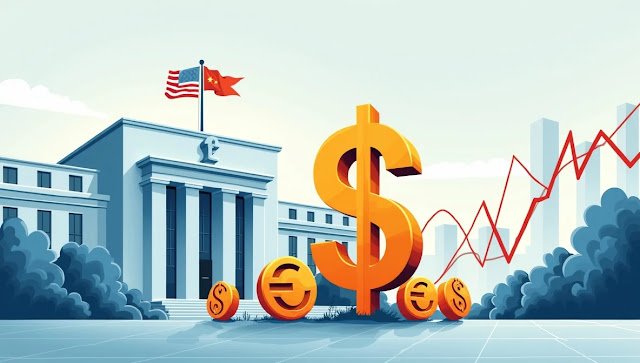
The Inflation Rollercoaster: Why Your Wallet Feels This Way Right Now
Right, let’s sit down and have a proper chat about what’s going on with the US economy. Honestly, if you’ve looked at the news lately, it’s enough to give anyone a headache. One minute, everything is “tame,” the next minute, the people are panicking about a “mad scramble” in the markets.
But here’s the thing—underneath all those fancy charts and flashing red numbers on the news, there’s a real story about your money. Whether you’re trying to save for a house, looking at your pension, or just wondering why your weekly shop is still so expensive, these latest inflation numbers actually matter.
Why the “Tame” Numbers Aren’t Exactly Calm
So, the latest report says inflation is “tame.” In the world of finance experts, that’s a win. But let’s be real for a second—what does “tame” actually mean to you and me? It means prices aren’t skyrocketing as fast as they were last year, but they’re still going up.
When the US inflation data dropped, the stock market basically did a little happy dance. Why? Because investors hate surprises. When the numbers come in exactly where they expected, everyone breathes a sigh of relief. Stocks jumped, and the atmosphere felt a bit lighter for a moment. But then you look at the US Dollar, and it just… sat there. It didn’t move. It’s like the market had already decided what was going to happen and couldn’t be bothered to react any further.
The Big Dates You Need to Circle in Your Calendar
Look, if you want to stay ahead of the game, you’ve got to watch the calendar. Two big dates are coming up that are going to shake things up again.
- October 31st (The Jobs Report): This is massive. It’s not just about how many people have work; it’s about how much power the average worker has. If the jobs report is too strong, the experts start worrying that people have too much money to spend (crazy, right?), which pushes inflation back up. If it’s weak, people start whispering the “R” word—recession. Expect the stock market to be very jumpy on Halloween.
- November 7th (The FOMC Meeting): This is where the big bosses at the Federal Reserve decide what to do with interest rates. This is the one that really hits the Dollar. If they signal that they’re going to keep cutting rates, the Dollar might take a bit of a slide, but your mortgage might finally start looking more affordable.
Let’s Break Down Those Burning Questions
I’ve been seeing a lot of people asking the same things over and over, so let’s clear the air and talk about what this actually means for your life.
1. Is my hard-earned savings account basically dying?
Honestly? If you’re just leaving your cash in a standard savings account, it’s not great news. Think about it—if inflation is sitting at 3%, and your bank is giving you 1% or 2% interest, you’re technically losing money every single year. Your £100 today won’t buy £100 worth of stuff next year. It’s like a slow leak in a tyre.
Research shows that 3% inflation erodes your cash faster than you’d think. This is why people are moving towards things like TIPS (Treasury Inflation-Protected Securities). It’s a bit of a mouthful, but basically, it’s a way to make sure your money grows with inflation so you don’t get left behind.
2. Can the stock market really keep this up?
It feels a bit like a dream, doesn’t it? The S&P 500 has been on a bit of a tear. Historically, after a “soft” inflation report like the one we just had, the market usually goes up by about 1.2% on average.
But—and this is a big “but”—you’ve got to watch out for “overbought” signals. It’s like when a party has been going on a bit too long, and you start to wonder when the music is going to stop. Don’t go chasing the hype just because everyone else is. Keep your head screwed on.
3. Why is the US Dollar being so boring?
You’d think with all this news, the Dollar would be swinging all over the shop. But the DXY (the Dollar Index) has stayed pretty flat. Why? Because the big banks and the “smart money” already saw this coming. They’d already priced it in weeks ago. When everyone expects a soft report, and they get a soft report, nobody feels the need to go out and buy or sell millions of Dollars in a panic. It’s quiet… maybe too quiet.
4. Is there light at the end of the tunnel for homebuyers?
This is the one that gets me. If you’re trying to get on the property ladder, the last few years have been a nightmare. But it’s not all bleak—there’s some hope. With inflation cooling down, interest rates are likely to follow.
We’re looking at 30-year mortgage rates potentially dropping to around 6.2% by December, down from the 6.5% or 7% levels we were seeing. It’s not “cheap” by historical standards, but it’s a heck of a lot better than it was. If you’ve been waiting to pull the trigger on a new home, the end of the year might be your window.
5. What’s the deal with Deere stock?
I know, it sounds random—why talk about a tractor company? But John Deere is like a barometer for the whole economy. If farmers are feeling confident and inflation is under control, they buy new kit.
If you’re bullish on agriculture and you think the world needs to keep eating (spoiler alert: we do), then Deere is a solid pick. People are looking at a target of $500. Just remember, their earnings are tied directly to how much it costs to build those massive machines, so keep an eye on those “inflation impact” reports.
The Big Picture: How to Play This
At the end of the day, all the noise around “CPI reports” and “FOMC meetings” boils down to one thing: uncertainty. The world is shifting, and the old strategy of simply saving and hoping no longer cuts it.
The real winners in this market are those who stay informed—but don’t overreact. Diversification matters more than ever. If you’ve got some extra cash, consider putting a portion into stocks. If you’re carrying a mortgage, keep a close watch on interest rate trends. And most importantly, don’t let your money sit idle in a near-zero interest account while inflation quietly erodes its value.
My Final Take
Let’s be real—the market moved higher because it got exactly what it wanted: no surprises. The dollar stayed flat because expectations were already priced in. It’s a classic case of markets reacting not to the news itself, but to whether the news deviates from expectations.
But don’t get too comfortable. Markets can shift quickly. Keep your eyes on the upcoming jobs report and the next Fed meeting—those events could shape the rest of your financial year.
So what’s your move? Waiting for rates to fall further before buying a home? Or jumping into the market while momentum is strong? Think it through carefully.
Frequently Asked Questions (The Real Talk)
1. What does this inflation data actually mean for my money?
It’s a mixed bag.
Lower inflation means central banks may ease up on aggressive rate hikes—that’s good news if you have loans. But for savers, it’s a different story. If inflation is around 3% and your savings earn only 2%, you’re effectively losing purchasing power over time.
This slow erosion—often called a “silent killer”—is why many investors look toward inflation-protected assets or steady equities to preserve value.
2. Will stocks keep rising after this report?
Right now, sentiment is positive.
Historically, softer inflation data often gives the S&P 500 a short-term boost—sometimes around 1% or more. But there’s a catch: the market is starting to look overbought.
Think of it like a party that’s gone on too long—eventually, things cool down. Don’t chase momentum blindly. Stay disciplined.
3. Why didn’t the U.S. dollar move much?
Because nothing was surprising.
Large institutional players had already anticipated this data. Markets move sharply only when expectations are broken. This wasn’t a shock—it was already priced in.
4. Is there any good news for homebuyers?
Yes—finally.
Cooling inflation reduces pressure on interest rates. Mortgage rates could trend lower in the coming months, making borrowing slightly more affordable. It’s not a return to ultra-low rates, but it’s a step in the right direction.
5. Is it a good time to invest in Deere stock?
Stable input costs (like steel and parts) can support margins, which is why investors keep an eye on companies like this. That said, diversification still matters—don’t concentrate too heavily in one sector.