- UK Industry Under the Hammer: Oil Jobs at Risk and Food Mergers Hit a Wall
- The Petrofac Collapse: 2,000 Jobs on the Line
- The Food Fight: Greencore, Bakkavor, and the CMA
- The “John Deere” Lesson: It’s Brutal Out There
- Why This Matters for the UK Economy
- A Deep Dive into the History: The Rise and Fall
- The Human Toll: Beyond the Spreadsheet
- Practical Tips for 2026
- Final Thoughts
UK Industry Under the Hammer: Oil Jobs at Risk and Food Mergers Hit a Wall
Honestly? I’ve always reckoned that hearing the word “administration” is like some dead-boring office chat. But in the real world of big money… It’s a proper nightmare. As we head into late 2025, the UK energy and food sectors are taking some serious hits. Really serious. On one side, you’ve got Petrofac—a massive oil name—basically fighting for a single breath. On the other? A £1.2 billion food deal between Greencore and Bakkavor has hit a snag. A massive one. Straight up.
Whether you’re sweating over a job in Aberdeen… or just wondering why your supermarket sauce is getting pricey… these stories matter. They just do. It’s a reminder. Even the biggest corporate titans? They aren’t bulletproof when the economy wobbles. Fact.
The Petrofac Collapse: 2,000 Jobs on the Line
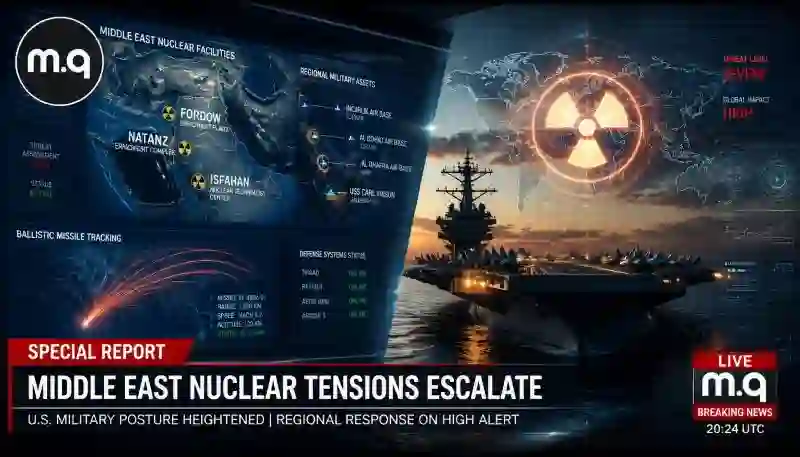
Look. Petrofac used to be the “golden child” of the FTSE 100. Back in 2010? They were winning every contract in sight. But fast-forward to 27 October 2025. They’ve officially filed for administration. This isn’t just numbers on a screen. No. We’re talking about 2,000 jobs in Scotland suddenly in the bin. Globally? About 7,300. Gone. Just like that.
What went wrong? To be fair, it’s been a slow car crash for years. Haunted by old bribery scandals in the Middle East. Massive fines. But the final “handbrake” was losing that wind contract with TenneT. They needed that project. Badly. When it vanished? The whole deck of cards just collapsed. Proper mess.
The government is trying to help the Aberdeen hub. Those workers are skilled—properly skilled. But let’s be real. Unless a buyer scoops up the UK arm… It’s going to be a grim Christmas for thousands of families. We’re talking about people who have spent decades in the North Sea. Their expertise is world-class, but right now? It’s just uncertainty.
The Food Fight: Greencore, Bakkavor, and the CMA
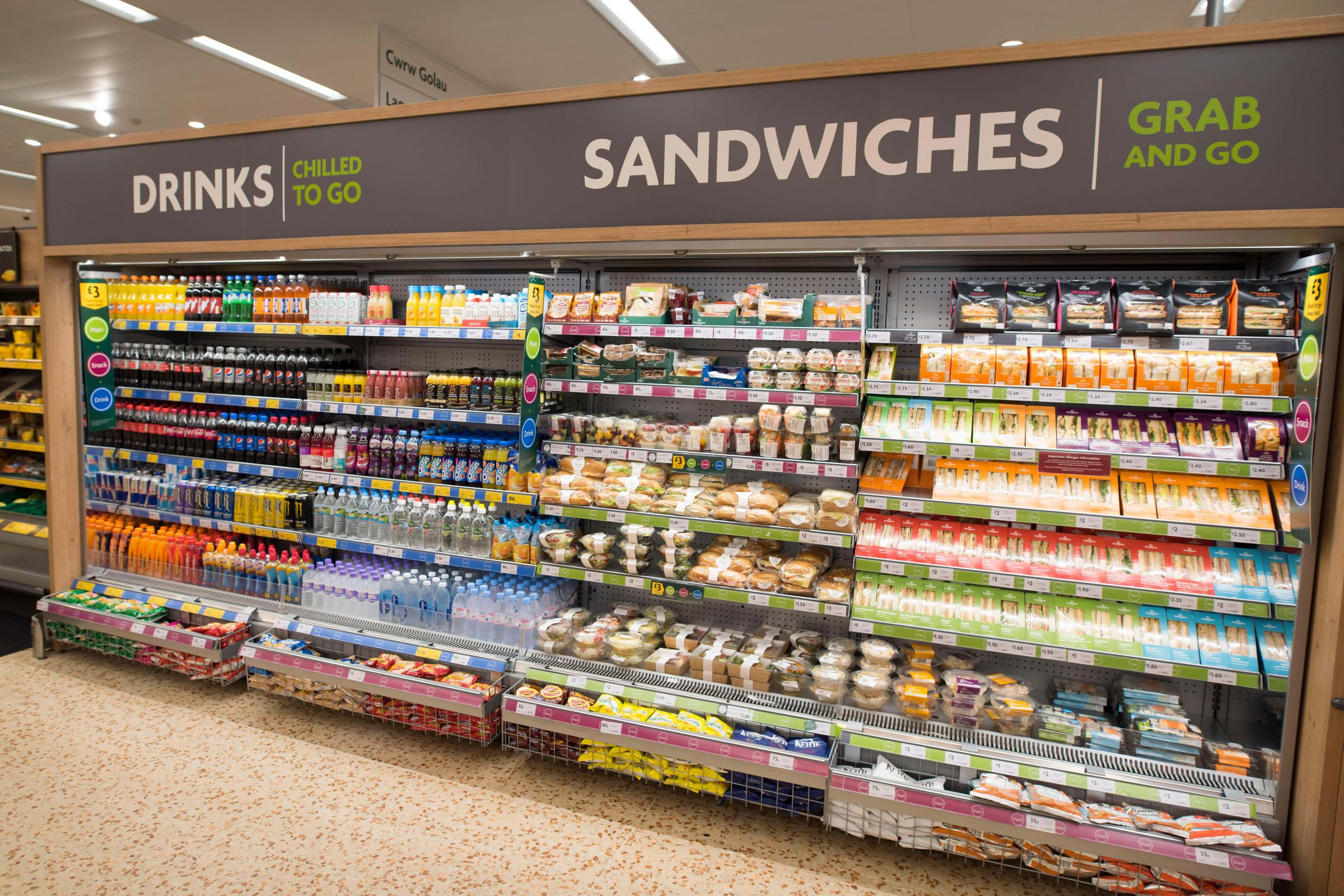
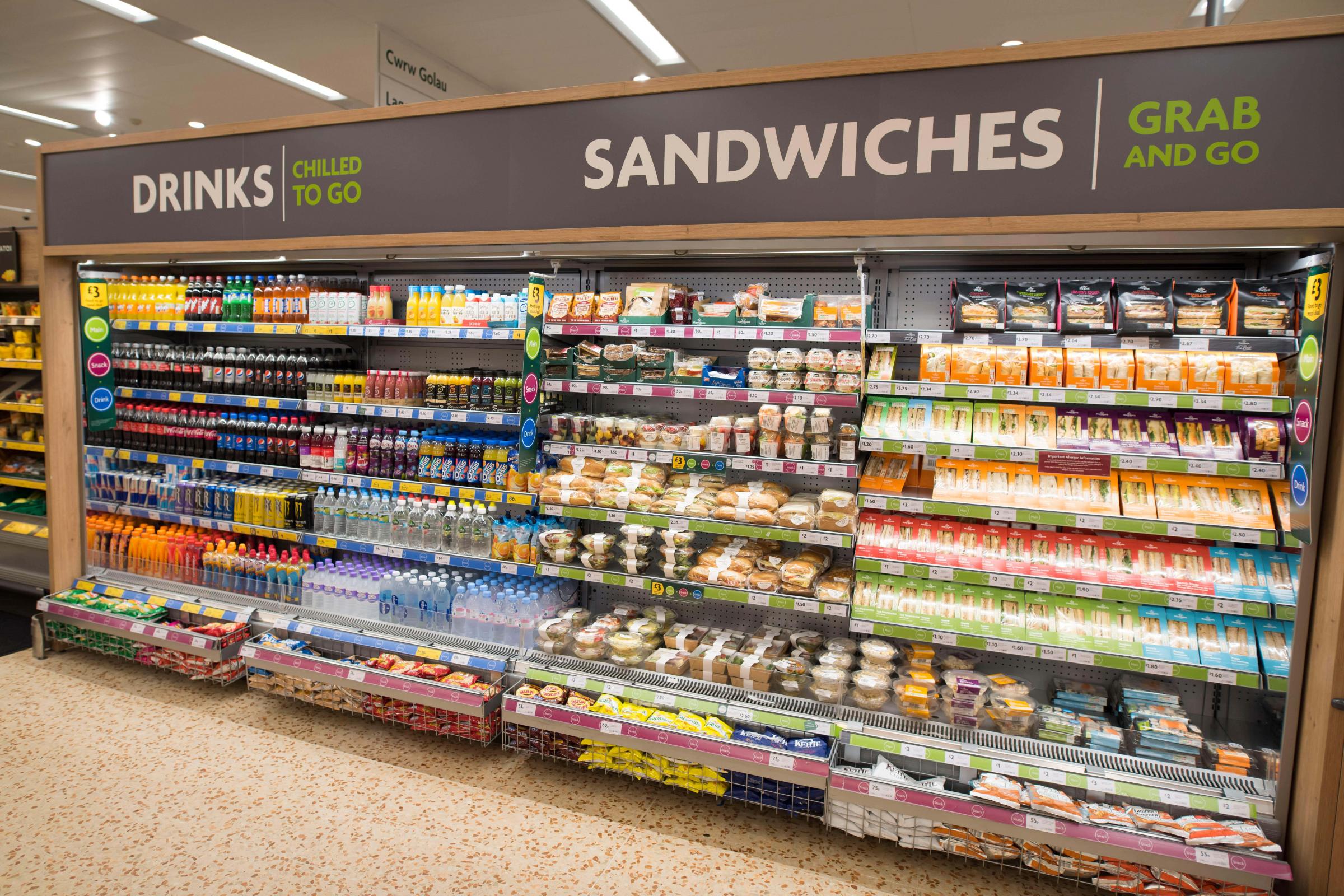
While oil is sinking, the food giants are trying to join up. Greencore and Bakkavor—the folks making basically every sandwich you see in the shops—want a £1.2 billion merger. Big move. Huge scale.
But the CMA (the competition folks) put a spanner in the works. They’re worried about… wait for it… “own-label chilled sauces.” Sounds tiny, right? Only 1% of their cash. But the regulator? They’re paranoid. They think that if these two merge, they’ll own the whole sauce market. Like, every little pot of pasta sauce.
Both companies say they’re optimistic. Reckon they can fix it by November. Deal done by 2026. But it shows the heat big firms are under. Even a tiny sauce pot can kill a billion-pound deal. Simple as.
The “John Deere” Lesson: It’s Brutal Out There
I keep coming back to John Deere in my posts. Their story? A perfect parallel. Just like Deere had to axe hundreds of workers in 2024 because farmers were broke… Petrofac is failing because the energy market moved too fast.
Deere’s shares dropped 20% when the “old way” died. Petrofac tried to pivot to green energy. But their timing? Off. Their baggage? Way too heavy. In 2025, the market is ruthless. Old scandals plus massive debt? One missed contract is all it takes to sink the ship. Fact.
Why This Matters for the UK Economy
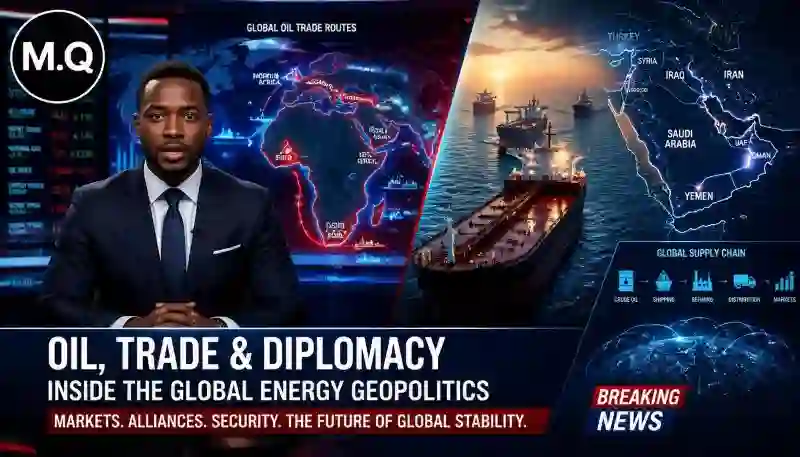
Properly speaking, these aren’t just one-off stories. It’s a pattern. The UK energy sector is feeling the squeeze. Green policies. Higher taxes. It’s making things tough for the old-school players. That’s why Petrofac is drowning. Meanwhile? The food sector is trying to “bulk up” against inflation. But the regulators? They’re making it a nightmare.
If Petrofac breaks up? It could mess up projects for Shell in the North Sea. Suppliers might not get paid. Small businesses in Aberdeen—the ones that fix the pipes and supply the tools—could go under too. The “Aberdeen hub” could lose its soul. On the food side? If the merger fails, food prices might stay high. Why? Because they can’t get the “efficiency” they need to keep the costs down for the rest of us.
A Deep Dive into the History: The Rise and Fall
Petrofac started in Texas back in 1981. They grew into a monster by winning huge deals in places like Iraq and Saudi Arabia. For a while, they were unstoppable. But that growth? It had a dark side. The SFO (Serious Fraud Office) spent years digging into bribery allegations. It’s the classic story. Growing too fast. Playing too loosely with the rules.
In 2021, they were fined £77 million. That’s a lot of sauce pots. Then came the pandemic. Then the debt piled up. By the time they tried to move into offshore wind, the engine was already smoking. Now? The bill is due.
Greencore and Bakkavor? They’ve got cleaner records, but they’re also products of massive growth. Greencore started with sugar in Ireland back in 1991. Bakkavor started with salads in Iceland in 1986. They’ve moved into the UK to become “homegrown champs.” But in a world where supermarkets like Tesco and M&S have all the power… You have to be big just to survive.
The Human Toll: Beyond the Spreadsheet
Honestly, we talk about “2,000 jobs,” but we need to talk about the people. These are engineers, technicians, and office staff. Many have been with Petrofac since the boom years. In 2025, finding a new job in the North Sea isn’t as easy as it used to be. The transition to “green jobs” is happening, but it’s slow. Properly slow.
Unions are already making noise. They want the government to guarantee these roles. But with the UK budget being tight, there’s only so much the taxpayer can do. If a private buyer doesn’t step in, we’re looking at a massive brain drain from the North East of Scotland.
Practical Tips for 2026
If you’re in these jobs or just watching… here is my “friend-to-friend” advice for the coming year:
- Diversify Your Skills: If you’re in Oil and Gas, start looking at Renewables—now. Wind, hydrogen, carbon capture. Petrofac shows “pure oil” is a gamble you don’t want to take.
- Watch the Regulators: Never assume a deal is “done” until the ink is dry. The CMA is being particularly strict lately, especially on anything that affects the “cost of living” (like food).
- Stay Agile: Whether it’s a contract loss or a legal hurdle… You need a “Plan B.” Always.
- Empathy: 2,000 jobs are 2,000 families. It’s a tough time. Check on your mates.
- Network: If you’re at risk, start talking to recruiters in the energy transition space. Don’t wait for the final bell.
Final Thoughts
Look. Business in 2025 is wild. Properly wild. Petrofac is a grim reminder. Things go wrong when scandals and debt pile up over decades. The food merger? It shows even with billions in the bank… You still have to play by the rules of the regulator.
Honestly, the UK economy is at a crossroads. We need these firms to survive for the jobs. They are the backbone of the country. But we need fair prices too. It’s a delicate balance. Right now? It feels like chaos is winning.
Stay sharp. Keep an eye on those Aberdeen headlines. And let’s hope those sauce pots don’t ruin the party for everyone else!
Cheers for reading. Stay safe out there.
FAQ
Note: This is for educational purposes only. Not financial advice. We are not SEBI-registered.