European Markets Soar on Fed Cut and Trump-Xi Optimism
- European Markets Hit Record Highs: The Power of a Fed Cut and a Global Handshake
- The Fed’s Rate Cut: More Than Just a Number
- The Trump-Xi Summit: Handshakes over Headlines
-
- Winners and Losers: Who Stole the Show?
- The “John Deere” Connection: A Lesson in Global Trade
- From Defensive to Aggressive: How to Ride the Risk-On Wave
- Conclusion: A Breath of Fresh Air
European Markets Hit Record Highs: The Power of a Fed Cut and a Global Handshake
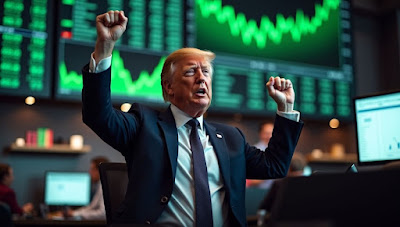
At the start of 2025, when we’d see the FTSE 100 smashing records by October, I might have told you to dream on. It felt like a never-ending stream of bad news and expensive living. But here we are, and it’s a proper sight to behold. Imagine waking up on October 29, 2025, switching on your phone, and seeing your trading app glowing green across the board. It wasn’t just a “good day” at the office; it was a full-blown celebration across European trading floors. The UK’s FTSE 100 didn’t just edge higher—it charged through a record high of 9,785.54. It felt like the market finally found its second wind after a long, breathless year of uncertainty.
So, what exactly lit this fire under the market? Look, it wasn’t just one lucky break. It was a “Perfect Storm” of two massive global events that happened almost at the same time. We had the US Federal Reserve finally deciding to cut interest rates again, and then, across the globe, a high-stakes meeting between Donald Trump and Xi Jinping in Busan, South Korea. For months, everyone—from big institutional investors to regular folks—had been biting their nails, worrying about trade wars and high borrowing costs. But on this specific Tuesday, the pressure valve finally released. Let’s cut through the corporate jargon and see how this “Double Whammy” of good news has basically reshaped your portfolio overnight.
The Fed’s Rate Cut: More Than Just a Number
Look, whenever the US Federal Reserve moves, the whole world feels the vibration. It’s just how the financial game works. On October 29, the market was betting big—99% certainty, to be fair, that Jerome Powell and his team would cut rates by another 25 basis points. And when the news finally dropped, moving the range to 3.75%-4.00%, it felt like a massive weight was lifted off the shoulders of the global economy.
You might ask, why does a cut in Washington matter so much in London, Paris, or Frankfurt? To be fair, it’s all about the US Dollar. When US rates drop, the dollar often loses its “muscle” and gets a bit weaker. Now, for us over here in Europe, a weaker dollar is basically like a “Discount Coupon” for exporters.
If you’re a German carmaker like Mercedes or a French luxury giant like LVMH, selling your goods to Americans, your products suddenly become much more affordable for them. Not only that, but your profits—when you convert those dollars back into Euros or Pounds—look properly fat on the balance sheet. This rate cut wasn’t just a one-off event; it was the second of the year, and it signaled that the “High Interest Era” is finally cooling down. For the Stoxx 600, which represents the top 600 companies in Europe, this news was pure, high-octane rocket fuel.
The Trump-Xi Summit: Handshakes over Headlines
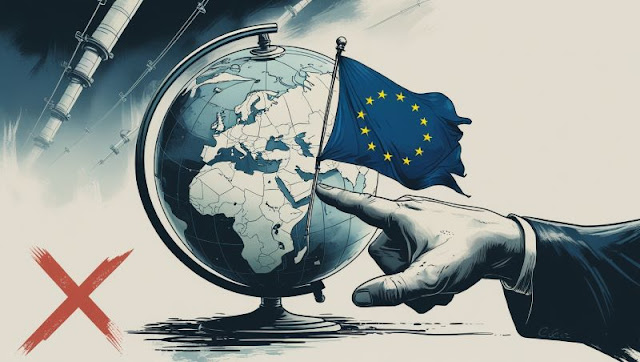
While the Fed was handling the money side of things, Presidents Trump and Xi were busy handling the “Geopolitical Chessboard” in South Korea. Straight up, the trade war between the US and China has been the biggest “Handbrake” on the global economy for years. It’s been a constant source of anxiety, with tariffs flying back and forth like verbal grenades.
But on October 29, 2025, the whole narrative shifted. Instead of “Tariffs,” the world started talking about “Talks.” There were whispers of a “Preliminary Consensus,” which is basically a posh way of saying a truce.
- The Soybean Surge: China agreed to buy massive amounts of US soybeans, which is huge news for ag-tech and global shipping.
- The Tariff Pause: The US agreed to pause those scary 100% tariffs that were supposed to hit everything from electronics to toys in November.
For Europe, this trade “thaw” means one thing: Stability. Our massive mining companies, like Glencore, saw their shares jump over 6% in a single session. Why? Because they know that if the US and China are actually talking, the demand for copper, iron ore, and nickel is going to skyrocket. When the big two stop fighting, the rest of the world can finally stop holding its breath and start growing again.
Winners and Losers: Who Stole the Show?
In a rally this big, honestly, not everyone wins at the same level. On October 29, we saw some proper “Standout” performers that carried the rest of the market on their backs.
The Champions of the Day:
- Mining & Resources: Glencore (+6.2%) and Rio Tinto led the sector. With copper hitting record highs on the London Metal Exchange, these companies are basically sitting on a gold mine (literally and figuratively).
- Retail & Consumer Goods: Shares of Next plc rose 7.3% after it lifted its profit forecast.
It turns out that even with the cost-of-living squeeze, people are still finding a bit of extra cash to spend on quality.
- Healthcare: Big Pharma wasn’t left behind either. GSK (+3.7%) rode the wave of optimism as its specialty medicine sales hit new peaks for the quarter.
The Laggards:
- Telecom & Defence: When investor confidence increases, funds often rotate from defensive sectors into growth-oriented assets. These sectors lagged behind the rest, simply because people were feeling brave enough to chase higher returns elsewhere. It’s a classic swing in investor mindset.
The “John Deere” Connection: A Lesson in Global Trade
Think back to how John Deere performed in early 2024. When trade talks between the U.S. and China fell apart, Deere & Company stock plunged—what’s the reason? Because farmers couldn’t export their crops, they stopped buying expensive tractors. Simple as that.
But on October 29, 2025, we saw the exact opposite happen. Because of the “Soybean Deal” rumors coming out of the Busan summit, every agriculture-linked stock across Europe started to glow bright green. It’s a classic, “Human-First” reminder: a simple handshake in South Korea can literally change the life of a farmer in France or an investor sitting in a London coffee shop. Everything in this global market is connected by invisible threads.
From Defensive to Aggressive: How to Ride the Risk-On Wave
- Don’t Chase the Peak: The FTSE is at a record high, which is exciting, sure. But remember the old market saying: “Buy the rumor, sell the fact.” Once the summit details are officially signed and sealed, some big investors might take their profits and run. Don’t be the person buying at the absolute top.
- Focus on Cyclicals: If trade relations continue to improve, sectors like Mining, Industrials, and Luxury Goods are where the real growth is hidden. These are the companies that thrive when the global economy is actually moving, and people are trading again.
- Watch Jerome Powell Like a Hawk: The Fed cut was great news, but his press conference hints about December are even more important. If he sounds “Dovish” (meaning he thinks more cuts are coming), this rally could easily last through the Christmas holidays.
- Hedge Your Bets: To be fair, don’t dump all your gold just yet. While it dipped below $4,000 on the day, geopolitics is a fickle beast. One bad tweet or a leaked memo can flip the market back into “Fear Mode” in a matter of seconds. Stay diversified.
Conclusion: A Breath of Fresh Air
Wrapping it all up, October 29, 2025, wasn’t just a good day for the FTSE 100; it was a clear signal that the global “Gloom” is finally lifting. Between the Fed’s cheaper money and the Trump-Xi trade truce, the path for European markets looks clearer than it has in years. We are finally moving away from a world of “What if everything goes wrong?” to asking, “What if things turn out better than expected?
What’s your take on all this? Are you loading up on mining stocks while the iron is hot, or are you waiting for the official summit signatures before making a move? Drop a comment below and let’s navigate these record-breaking waters together. Stay savvy—the bulls are definitely back in town, and it’s a proper sight to see.
FAQ
Note: This is for educational purposes only. Not financial advice. We are not SEBI-registered.