- Regain Citizens’ Trust After the Target 2 Payment System Outage?
- Unpacking the Crisis and Steps to Rebuild Confidence in Europe’s Financial Backbone
- 2026 Update: Where Are We Now?
- Introduction: Why Trust is Everything in Banking
- What Actually Happened During the T2 Outage?
- Why Did This Shake People’s Confidence?
-
- How Can the ECB Win Back Trust? 5 Simple Steps
- What Can You Do? Some Tips for Readers
-
- An Indian Perspective: Lessons in Being Strong
- Why This Matters to You (Even If You Aren’t in Europe)
- Conclusion: The Path Forward
- Frequently Asked Questions (FAQs)
Regain Citizens’ Trust After the Target 2 Payment System Outage?
Unpacking the Crisis and Steps to Rebuild Confidence in Europe’s Financial Backbone
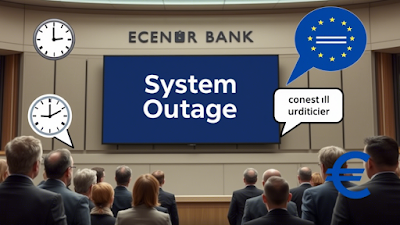
In late February 2025, the European Central Bank (ECB) faced a really tough situation. Their main payment system, called Target 2 (T2), suddenly crashed. This wasn’t just a small glitch; it lasted for nearly a full day, and because of that, banks couldn’t move money. This meant salaries were late, welfare payments didn’t arrive, and big business deals were stuck. Naturally, people across Europe lost a bit of faith in the ECB.
How can the ECB win back that trust? This post looks deep into the problem. We will explain everything simply—from what went wrong to how they can fix it. We’ve even included an Indian perspective to make it relatable for everyone, from students to professionals.
2026 Update: Where Are We Now?
As we sit here in March 2026, it’s been about a year since that big crash. The ECB hasn’t been sitting idle. They have spent the last 12 months upgrading their hardware and, more importantly, their backup systems. While they have managed to keep things stable lately, the trust gap is still there. People are still a bit worried whenever they hear about the new Digital Euro. The big lesson from 2025 is that technology is only as good as the trust people have in it.
Introduction: Why Trust is Everything in Banking
Imagine waking up and checking your bank app, only to see your salary hasn’t arrived because the central system failed. That is exactly what happened to millions of people in Europe. The T2 system is like the main highway for money. When that highway is blocked, everything stops. This wasn’t just a tech problem; it was a blow to the ECB’s reputation as the guardian of Europe’s economy.
Today, as we look back on this, the main question is: How can the ECB make people feel safe again? Whether you are a student or a pro, understanding this is important because money systems are the heart of our daily lives.
What Actually Happened During the T2 Outage?
Let’s keep it simple. Target 2 (T2) is a massive network run by the ECB. It handles trillions of euros every day, connecting banks in 20 different countries. It’s like the plumbing of the financial world—you don’t think about it until a pipe bursts.
The Breakdown Details:
- The Timing: It happened in late February 2025.
- The Cause: A hardware failure broke T2 and its partner system, T2S (which handles investments), for almost 24 hours.
- The Damage: People couldn’t pay their bills, small businesses couldn’t buy stock, and traders were stuck.
- The Fix: ECB staff worked all night to get it running, but by then, the news had already spread everywhere.
This wasn’t the first time either—there were glitches in 2020, too. But in 2025, it felt worse because the ECB had just promised that its new systems were extra reliable. When the backups failed to start, people started asking: Can we really depend on you?
Why Did This Shake People’s Confidence?
Trust is like glue. Without it, banking doesn’t work. The 2025 outage broke that glue for three main reasons:
- Everyday Life was Hit: Think of a single mother in Spain waiting for her support check, or a shop owner in Italy who couldn’t take payments. These are real struggles.
- Doubts About the Digital Euro: If the regular system can crash, why would anyone want a digital currency from the same bank?
- The Professional Hit: Politicians and experts warned that if the ECB doesn’t fix its image, its future projects might fail because no one will use them.
How Can the ECB Win Back Trust? 5 Simple Steps
The ECB can’t change the past, but they can fix the future. Here are five practical ways they can rebuild that confidence:
1. Be Open and Honest (No More Secrets)
Transparency is the best medicine. The ECB needs to share reports that don’t use fancy banker words. They should admit their mistakes clearly. In India, we saw how Paytm’s CEO once used Twitter (now X) to apologize and give updates during a glitch. People appreciate honesty more than a perfect corporate excuse.
2. Fix the Tech—and Prove It Works
A reliable T2 is a must. They should upgrade their backups so that if one fails, another starts instantly. They could even get help from top global tech firms (like India’s TCS or Infosys) to audit the system. When you have the best plumbers, the pipes don’t leak.
3. Support the People Who Suffered
The ECB should work with banks to make sure people aren’t charged extra fees for late payments caused by the crash. In India, after big changes like demonetization, banks opened special help desks. The ECB should do something similar—show that they care about the little guy.
4. Better Education
Most people don’t know what the ECB actually does. They should make simple cartoon videos or school programs (maybe even in India!) to explain how money moves. When you understand how a machine works, you are less scared of it.
5. Make the Digital Euro a Success
The Digital Euro is their big chance. If they can launch it without a single glitch and let regular people help design it, trust will return. They should show that it’s as easy and reliable as India’s UPI system.
What Can You Do? Some Tips for Readers
You don’t have to just wait for the ECB to act. You can:
- Stay Informed: Follow financial news on simple sites or social media.
- Ask Questions: If your bank app is down, ask why! Demand clear answers.
- Have a Backup: As many people in India do, keep a little cash or a second bank account for emergencies. It’s always good to be prepared.
An Indian Perspective: Lessons in Being Strong
India has a lot of experience with financial changes. Take Priya, who runs a small shop in Mumbai. When her bank app once crashed during a festival, she didn’t panic because she had UPI as a backup. India’s RBI also had tech issues in the past, but they fixed them by being fast and talking to the public. The ECB can learn a lot from this never give up attitude.
Why This Matters to You (Even If You Aren’t in Europe)
The world’s money is all linked. If Europe’s payment system has a heart attack, it can affect the price of things we buy in India, like cars or electronics. Plus, for students looking to study abroad, a stable euro is very important for their budget.
Conclusion: The Path Forward
The 2025 T2 outage was a big warning. However, it’s not a catastrophic situation. By being honest, fixing the tech, and helping regular people, the ECB can turn things around. Just like a teacher rebuilding their reputation after a mistake, it takes time and hard work. They now have control over what happens next.
Frequently Asked Questions (FAQs)
1. What exactly is the Target 2 (T2) payment system?
Target 2 is the main platform used by European banks to send and receive large amounts of money in real-time. It’s like the backbone of the Eurozone’s economy, making sure that billions of euros move safely between countries every day.
2. Why did the T2 system crash in February 2025?
The outage was caused by a major hardware failure. Even though the European Central Bank (ECB) had backup systems in place, they failed to kick in properly, leaving the system down for nearly 24 hours.
3. How did the outage affect regular people?
Since banks couldn’t settle transactions, many people faced delays in receiving their monthly salaries, pension payments, and welfare funds. It also caused problems for businesses trying to pay their suppliers or complete international trades.
4. Is the T2 system safe to use now in 2026?
Yes, since the 2025 crisis, the ECB has done several hardware upgrades and stress tests to ensure the system is much more stable. However, they are still working hard to win back the full trust of the public.
5. Will this outage affect the launch of the Digital Euro?
It did cause some delays and concerns among lawmakers. People are worried that if the current system can fail, a digital currency might have similar risks. The ECB is now performing extra security checks to prove the Digital Euro will be 100% reliable.
6. Can a bank outage in Europe affect people in India?
Yes, because the global economy is connected. If Europe’s payment systems fail, it can delay international business deals, affect the stock market, or even change the price of goods that India imports from Europe, like machinery or luxury cars.
Disclaimer: All content on Marqzy is for educational purposes only and is not financial advice. We are not SEBI-registered advisors. Investments carry risks; please consult a professional and perform your own due diligence before investing. Marqzy is not liable for any financial losses.