home sales for February 2025,

Why This Week in March 2025 is a Proper Rollercoaster for Your Wallet
Look—I was just sitting there on Sunday, March 23, 2025. I was trying to enjoy a quiet afternoon, but my phone wouldn’t stop buzzing with financial alerts. It felt like the whole world was bracing for impact. We’ve got new home sales dropping on Tuesday, Lululemon’s big earnings on Thursday, and then the big one—the PCE inflation report—on Friday.
Honestly, it’s a lot to take in. It’s like waiting for three different exam results in one week. If you’re sitting in India or anywhere else, you might think, “Why should I care about US home sales or some fancy yoga pants company?”Plain and simple—when these numbers change, your investments and local prices feel it. Let’s have a proper chat about what’s actually going down this week without all that boring corporate jargon.
The Housing “Jump Scare” (March 25)
First up, we’ve got the New Home Sales data. Now, housing is usually a bit of a dry topic, but January 2025 gave us a proper scare. Sales dropped from 734,000 units in December all the way down to 657,000. That is a massive 10% slide!
Why does this matter? Because property purchases come with a big price tag. If people aren’t buying new homes, it means they’re scared about the future. Builders have been trying everything—cutting prices, offering freebies—just to get people through the door. Mortgage rates are sitting between 6.5% and 7%, which is a bit of a gut-punch for anyone trying to buy their first place.
On Tuesday, we’ll see if February was any better. Analysts are hoping for a “rebound,” but it’s a bit of a toss-up. If sales stay low, it tells us the economy is cooling down faster than a cup of tea in a London winter. For someone like Ramesh, a small business owner in Pune who supplies construction materials, this data is life or death. If US housing stops, global demand for steel and cement takes a hit. It’s all connected, innit?
The “Yoga Pant” Revolution (March 27)
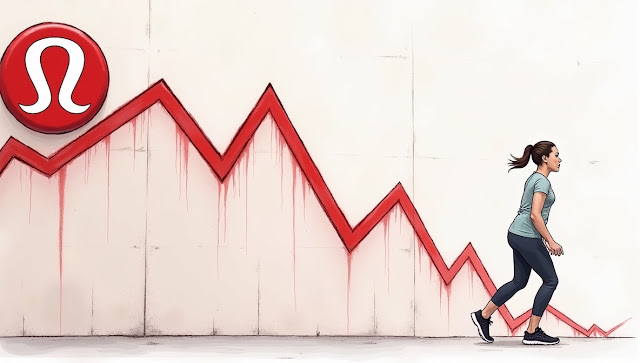
Now, let’s talk about Lululemon. On Thursday, they are dropping their Q4 earnings, and the hype is real. For the first time ever, they’ve officially crossed the $10 billion annual revenue mark. That is mental for a company that started out selling leggings.
But here’s the interesting bit—it’s not just about the US anymore. Their international sales, especially in China, have been absolutely flying. They grew by over 50% in the last report! It shows that even when the economy is a bit dodgy, people still want their premium athleisure.
If you’re an investor like Priya in Bangalore, Lululemon is the one to watch. She’s been tracking their expansion into India and the rest of Asia, and she’s already seen a 15% return. A strong report on Thursday would be a massive win for retail confidence. But if they give “bad guidance” (remember what Adam Parker said?), the whole retail sector could take a dive.
The Big One: Friday’s PCE Report (March 28)
If the housing data is the appetiser and Lululemon is the main course, then the PCE report on Friday is the heavy dessert that might give everyone a stomachache.
The PCE (Personal Consumption Expenditures) index is the Federal Reserve’s favourite way to measure inflation. In January 2025, inflation was sitting at 2.5%, with “core” inflation (the sticky stuff) at 2.6%. The Fed wants it at 2%, but it’s staying stubbornly high.
Look, we call it “sticky inflation” because it just won’t budge. If Friday’s report shows that prices are still rising, the Fed might keep interest rates high for much longer. This affects everything—from the cost of your car loan to how much the Indian Rupee is worth against the Dollar. If US inflation stays high, the Dollar gets stronger, and our Indian exports feel the pressure. It’s a proper headache for the central banks.
Why This Matters for People Like Us
Bhai, it’s easy to get lost in the numbers, but think about the real-world impact.
- Your Savings: If inflation stays high, your cash buys less. Simple as that.
- Your Career: If retail giants like Lululemon are growing, it means consumer demand is still there, which is good for jobs in supply chain and tech.
- Your Investments: Whether you’re a student in Delhi like Ankit trying to understand the markets or a pro investor, these three days will define how the rest of 2025 looks.
The “Sunday Night Blues” (The Bottom Line)
So, as we head into this week of March 2025, the vibe is “cautious optimism.” We want the home sales to bounce back, we want Lululemon to keep crushing it, and we desperately want inflation to behave itself.
Straight up, the world is in a weird place right now. High rates, trade talk, and a softening labour market are all fighting for attention. Honestly, the best thing you can do is stay informed, but don’t panic. The market is full of noise, but if you look at the core data—the homes, the retail, and the spending—you can see the real story.
Frequently Asked Questions (FAQs)
Note: This is for educational purposes only. Not financial advice. We are not SEBI-registered.