Table of Contents
The Middle East Mess: Trump’s Strange Late-Night Posts, Iran Playing the Oil Card, and That Hospital Bombing
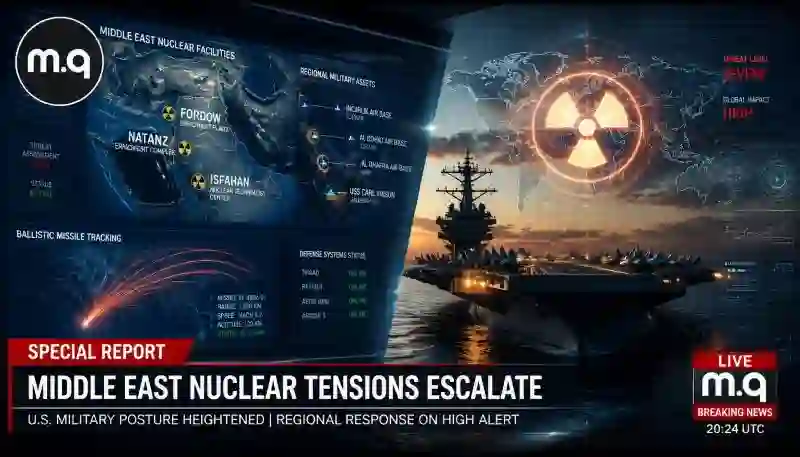
The last 48 hours have completely changed the picture. Just when it seemed that diplomatic channels might be opening and cooler heads could prevail, the region lurched back toward confrontation. The atmosphere has shifted from cautious optimism to growing uncertainty, and the risks are now considerably higher than they were only days ago. Then, poof. Gone. Replaced by straight-up military escalation. Any hope for calm? Crushed.
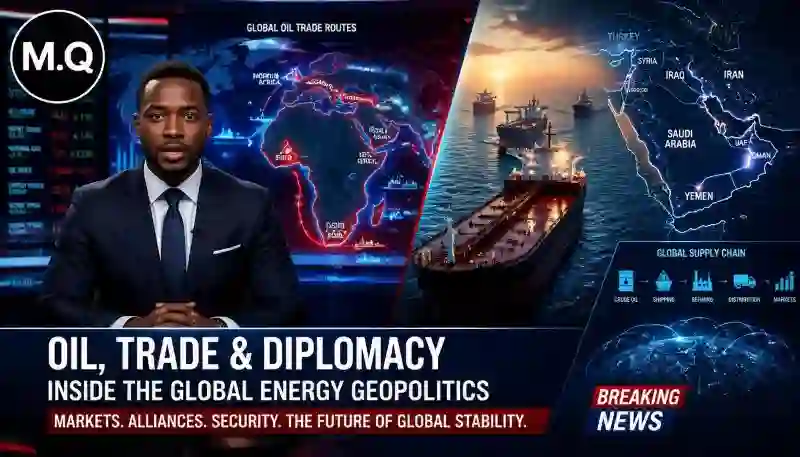
This may seem like a distant crisis, but the economic and geopolitical consequences could be felt well beyond the region. If you live in the US, the UK, or Europe, this stuff is going to hit your wallet. Stock markets. Shipping. Your energy bill. Faster than any official will admit.
So how did security fall apart so fast? You have to ignore the press releases and just look at what actually happened, step by step.
US and Iran? Done. Finished.
Let’s be honest. Anyone who thought a real deal was possible wasn’t looking at how shaky things really were. Iran has now completely walked away from indirect talks with the US — the ones going through middlemen. This isn’t a pause. It’s not a hiccup. Tehran’s diplomats are gone.
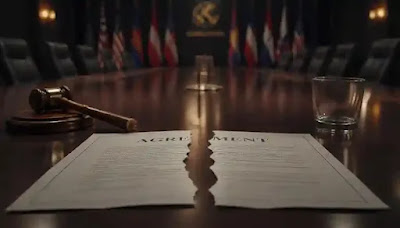
Why? Trust evaporated over Lebanon. Iran’s one condition for staying at the table was simple: stop the fighting in Lebanon. Verified. Immediately. They said over and over: Lebanon’s borders are non-negotiable. But instead of less violence, they saw more. Bigger attacks on major cities. When Western-backed forces moved past what Iran considered a non-negotiable boundary, leaders in Tehran were left asking whether diplomatic restraint was achieving anything at all.
There’s also something most analysts keep missing: domestic pressure. For seven weeks now, lots of Iranians have been in the streets. Angry. Really angry. After those high-profile killings of spiritual and defense leaders, the mood in Tehran turned defiant. The message? No more half-baked deals. No more concessions to Washington. You already crossed our lines. So the government did what it had to do back home — it shut down every active channel with the US.
The Ocean as a Weapon. Yes, Really.
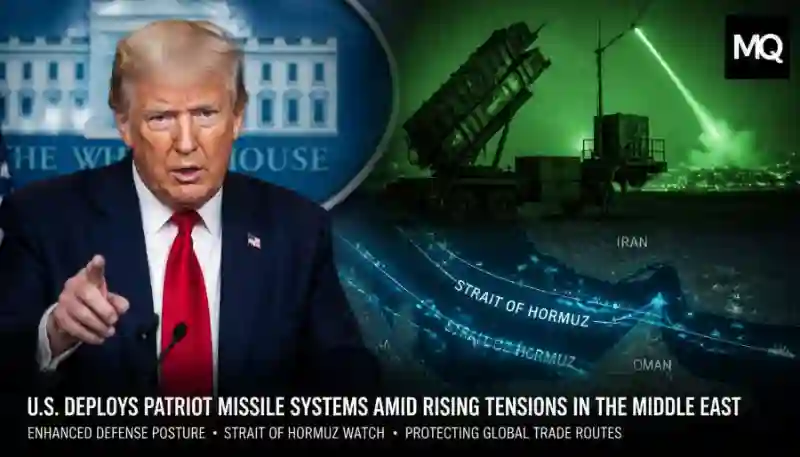
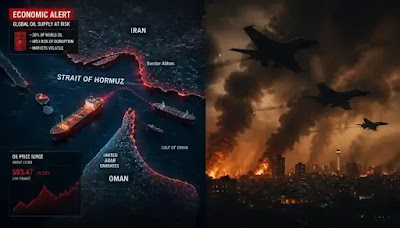
From Tehran’s perspective, when diplomacy stops producing results, economic pressure becomes the next battlefield. That means leveraging strategic maritime chokepoints capable of disrupting shipping, energy markets, and international trade. At the world’s most important shipping choke points. Reliable operational reports say Iran’s military is moving resources into place to fully seal the Strait of Hormuz.
Quick check of any world map: the Strait of Hormuz is the single most vulnerable maritime bottleneck on earth. A huge chunk of the world’s daily oil passes through there. Just the news that naval forces are being positioned to restrict access? That alone sent Western trading desks into a panic. Crude prices spiked within hours.
But here’s the thing — it’s two fronts at once. Tehran is also working with the Houthis in Yemen to squeeze the Red Sea. So now think about a family in London, or a small shop owner in New York. This is the exact moment a Middle East conflict becomes their problem. If both the Strait and the Red Sea get blocked, cargo ships have no choice but to go all the way around Africa. That means higher gas prices. Higher heating bills in Europe. Another inflation spike just when central banks thought they were getting things under control.
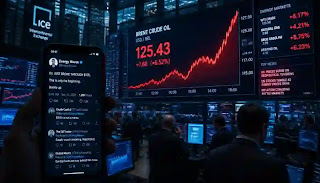
Trump’s Midnight Social Media Drama
Right when energy markets were trying to figure out what to do about all this, Trump did his usual thing — he fired off a super detailed, dramatic social media post in the middle of the night. And it had almost nothing to do with what was actually happening on the ground.
He announced that a full, binding ceasefire was now in place across Lebanon. Claimed he’d just had a long, very successful phone call with Netanyahu. Said Netanyahu agreed to stop all offensive operations — right away. Even claimed that Israeli bomber squadrons heading for Beirut were told to turn around mid-flight. And that American envoys got a similar promise from Hezbollah.
Look at it straight: that whole late-night announcement was political theater, pure and simple. On the real front lines, not a single operation paused. Not one. Trump’s whole brand depends on looking like the master negotiator who can fix anything with one phone call. But the real priority? Protecting stock markets. A real escalation in the Middle East causes selling. Tech shares drop. Industrials tumble. So he put out a fantasy of a peace breakthrough to calm investors. But the fighting on the ground proved it was fake almost immediately.
The Hospital Attack. No Other Way to Say It.
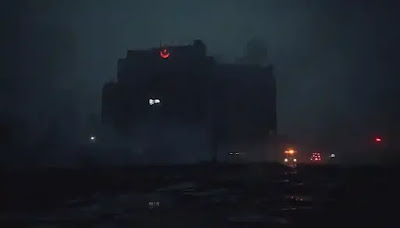
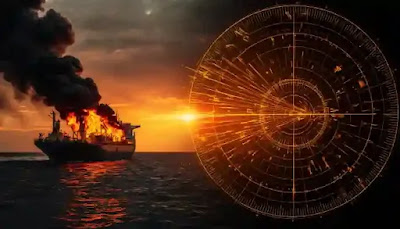
Those ceasefire claims faced an immediate test of credibility, as developments shortly after the viral posts painted a very different picture. The war took another troubling turn when heavy strikes impacted a working hospital in Lebanon, an event that could further undermine already fragile diplomatic efforts and increase the risk of a wider confrontation. Jabal Al Hospital.
No soft language here. Dropping high-explosive bombs on an active, crowded hospital is a blatant violation of international law. Everyone knows medical facilities are protected. Targeting one is a war crime. Plain and simple. And yet, Western political leaders keep offering cover. Keep making excuses.
Here’s what’s really telling: Tel Aviv isn’t even trying to deny it. Just hours before that hospital strike, Netanyahu sat down and recorded a formal video address with his defense minister. He openly told the world that his cabinet had approved a major increase in military pressure — and named Beirut specifically as a target for heavier, more destructive campaigns. Then the hospital got hit. In perfect sync with those announced goals. It’s an open challenge to international law. A test: how far can we push before the whole thing blows up?
Bottom Line for Markets
So here’s where we are. A complete split between what leaders say publicly and what’s actually happening on the ground. Western politicians use social media to project calm and keep stocks from panic-selling. But the real situation? It’s shifting fast toward economic warfare. Back-channel diplomacy? Dead. All focus is on the world’s critical shipping lanes. If both the Strait of Hormuz and the Red Sea get fully blocked, Middle East tensions will turn into a direct inflation shock. And households across the US and Europe will feel it.
FAQ Text – Middle East Crisis: What You Need to Know
1. Diplomacy & Iran
Q: Did the US and Iran really stop talking?
A: Yes. Iran has walked away from all indirect negotiations with the US. No more back-channel talks through third parties. Tehran says trust completely broke down over what happened in Lebanon.
Q: Why did Iran give up on diplomacy?
A: Two main reasons. First, Iran says its red line was a real ceasefire in Lebanon — but fighting got worse instead. Second, there’s huge public pressure inside Iran. Lots of people have been protesting for weeks, angry about recent killings of key leaders. The government couldn’t afford to look weak.
2. Energy & Shipping
Q: What is Iran actually doing to global oil shipments?
A: Iran is moving to enforce blockades at two critical points: the Strait of Hormuz and the Red Sea. The Strait alone handles a giant share of the world’s daily oil. If both choke points get blocked, cargo ships would have to reroute all the way around Africa.
Q: How does that affect someone in the US or Europe?
A: Directly. Higher fuel prices, more expensive winter heating, and another spike in inflation on everyday goods. This stops being a “faraway conflict” the moment you pay at the pump or open your utility bill.
3. Trump’s Ceasefire Claims
Q: Did Trump really announce a ceasefire in Lebanon?
A: Yes. In a late-night social media post, he said a full, binding ceasefire was in place. He claimed he had a great phone call with Netanyahu, that Israeli bombing runs were turned around mid-flight, and that Hezbollah had agreed to stop rocket fire.
Q: Was any of that true?
A: On the ground? No. Fighting didn’t pause for a single moment. Most analysts see it as political theater — trying to calm stock markets and protect Trump’s image as a dealmaker, not a reflection of reality.
4. The Hospital Attack (Jabal Al Hospital)
Q: What happened at Jabal Al Hospital?
A: Heavy military strikes hit a functioning, active hospital in Lebanon. It was not a mistake or a “collateral damage” claim — it happened right after political statements that seemed to set the stage for it.
Q: Is that allowed under international law?
A: No. Deliberately bombing a working hospital is a clear war crime. International humanitarian law explicitly protects medical facilities. However, you look at it, the conclusion is hard to avoid.
Q: Did anyone admit to it?
A: Netanyahu went on camera just hours before with his defense minister, announcing a major increase in military pressure and naming Beirut as a target. The hospital strike followed in very close timing. There was no attempt at plausible deniability.
5. Global Markets & What Happens Next
Q: Why should investors or normal people care about this?
A: Because the gap between what leaders say and what’s actually happening is huge. Public statements aim to calm markets. Reality is moving toward economic warfare. If both the Strait of Hormuz and the Red Sea get fully blocked, you’ll see a direct inflationary shock in Western countries.
Q: What’s the single biggest risk right now?
A: The dual blockade is becoming fully real. That would hit global supply chains, energy prices, and household budgets faster than most people expect.
This is for educational purposes only. We are not financial advisors. Results may vary based on your individual debt situation.