- What UK Parents Really Need to Know After the Court’s VAT Ruling
- Introduction: A Ruling That Changes the Whole Game
- What Exactly Did the Court Decide?
-
- Why the Court Challenges Failed
- Who Is Feeling the Most Pain?
- Faith Schools: A Special Kind of Stress
-
- What Are Your Options Now?
- Frequently Asked Questions
- The Bottom Line: What Should You Do Today?
What UK Parents Really Need to Know After the Court’s VAT Ruling
Key Takeaways
- The courts have officially said no to the appeals against the 20% VAT on private school fees. For now, this tax is here to stay.
- It’s a tough time for low-cost and faith-based schools. Without big financial backups, many are literally staring at closure.
- Fees are already shooting up across England, Scotland, and Wales, and we’re expecting more hikes in 2026.
- Even human rights challenges from Christian schools didn’t work; the courts rejected them at every level.
- If you’re on a mid-range budget, you’re in the squeezed middle—facing the hard choice between stretching your savings or switching to state schools.
Introduction: A Ruling That Changes the Whole Game
Imagine this for a second. You’re a parent in Leicester, working two jobs just to keep your kid in a small independent school. The fees were already a massive stretch at £6,000 a year. Then, suddenly, January 2025 hits and VAT is added. Overnight, your bill jumps by more than £1,000. You talk to the school, but the bursar just shakes her head. Our hands are tied, she says. HMRC is being very clear about this.
This isn’t just a what-if scenario. This is the reality for thousands of families across Britain right now.
When the Labour government brought in that 20% VAT on private school fees starting January 1, 2025, it changed everything. Schools that used to be exempt because education was seen as a non-commercial service are now registered with HMRC, collecting tax on every single invoice. For a lot of families—especially those at smaller schools—the math just doesn’t work anymore.
Then came the legal battle. Parents and faith groups took this to court, arguing it was discriminatory and a breach of human rights. But the courts didn’t budge. Appeal after appeal got dismissed. As we move into 2026, the ruling is firm.
So, what does this actually mean for you? Whether you’re currently paying fees or just worried about the future of UK schooling, let’s break it down in plain English. No legal fluff, just the facts.
What Exactly Did the Court Decide?
The Backstory on VAT
When Labour won the 2024 election, removing the VAT exemption for private schools was a huge part of their plan. The idea was simple: collect about £1.5 billion a year in tax and use it to hire 6,500 new teachers for state schools.
Critics called the old exemption an unfair subsidy for the rich. But supporters argued it was the only thing keeping mid-range schools affordable for regular families who aren’t millionaires but are making huge sacrifices for their kids’ education.
Why the Court Challenges Failed
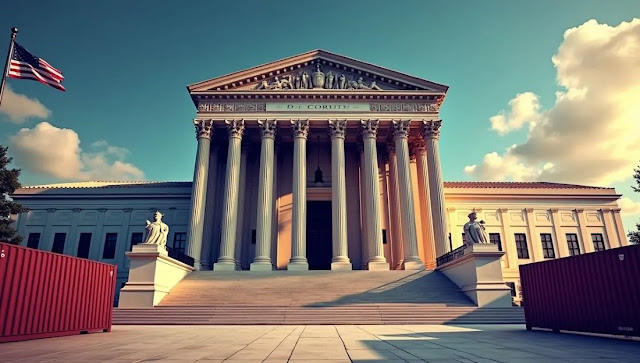
A group of faith schools led a legal fight, using the Human Rights Act. They argued that parents have a right to educate kids according to their religious beliefs and that taxing private schools—but not other education providers—was unfair.
The courts listened, but in the end, they ruled that the government’s goal of improving state education was a legitimate aim. By early 2026, even the Supreme Court refused to take it further. The legal road has pretty much hit a dead end.
Who Is Feeling the Most Pain?
Low-Cost Schools are the Most Vulnerable
When people hear private school, they usually think of Eton or Harrow—fancy buildings and £50,000 fees. But most of the UK’s 2,500+ independent schools aren’t like that. Many charge between £5,000 and £10,000. These schools don’t have rich donors; they survive on tight margins.
The Independent Schools Council (ISC) says over 100 schools have already closed or announced they’re closing. Many more are on the brink as we head deeper into 2026.
Faith Schools: A Special Kind of Stress
Christian schools are in a unique spot. Many were started by churches specifically to be an alternative to secular state schools, with fees kept as low as £3,500 to stay accessible. They can’t just pass on the VAT because their whole mission is to be affordable. For them, it’s a choice between raising fees (and losing their families) or just shutting down.
The Squeezed Middle Families
The people hit hardest aren’t the super-wealthy. It’s the families earning £50,000 to £80,000—the ones with two incomes and no safety net. Even if a school absorbs some of the VAT, a 10-15% hike still means thousands of pounds extra. For a family with two kids, that’s a family holiday gone, or a pension contribution stopped. For many, it’s the moment they realise state school is the only option left.
CASE STUDY: St. Brendan’s Academy
St. Brendan’s is a small Catholic school in the Midlands with about 180 students. Fees were £5,200 before VAT—priced for working-class Catholic families. When VAT hit, the school was stuck. Adding 20% would push fees to £6,240, and a survey showed 38% of parents couldn’t pay that. The school tried to absorb half the cost, but that meant firing two teachers and cutting the music program. Even then, 27 students left in the first year. Now, the school is losing money, and its future is literally decided term by term.
What Does the Data Say?
The Institute for Fiscal Studies (IFS) reckons about 35,000 students could move from private to state schools over three years. The government thinks it’s closer to 37,000.
Looking at other countries, the World Bank’s research shows that when you tax private education without helping smaller schools, the sector usually shrinks. The big, wealthy schools get stronger, while the small ones disappear. Ironically, this makes the private sector more elite, not less.
What Are Your Options Now?
- Stay and Pay: If you can make it work, staying is the right call. Many schools are dipping into their own funds or hardship grants to help families. Tip: Ask your school directly about their hardship fund—they don’t always advertise it loudly.
- The State School Switch: Don’t panic. Many UK state schools are actually excellent. If you’re considering this, move fast. Waiting lists in good areas are getting longer.
- Home Education: This has blown up since 2020. It’s legal, free, and there’s a massive community of online courses and tutoring groups now.
- Alternative Low-Cost Schools: Keep an eye out for co-operative schools or community interest companies. They’re a newer, cheaper model emerging in some areas.
Frequently Asked Questions
- Is this VAT permanent? Nothing is forever in politics. A new government could change it, but for now, you should plan as if it’s a long-term reality.
- Does it apply to all schools? Whether the cost is £4,000 or £40,000, you’ll still face the same 20%.
- What about Scotland? Yes, it’s a UK-wide tax, so Scottish schools are in the same boat.
- Can I get tax relief? Unfortunately, no. The UK tax system does not provide income tax relief for private school fees.
- Any exemptions? Only state-funded schools and certain SEND schools approved by local authorities are safe from it.
The Bottom Line: What Should You Do Today?
The courts have made their move, and the government is already collecting the tax. The pressure on families is real.
But remember, this isn’t the end of your child’s education—it’s just a change in the map. If the fees are becoming too much, have that awkward conversation with the school now. Ask about bursaries. See where they stand financially.
And if you do end up switching to a state school? Don’t beat yourself up. The most important factor in a child’s success isn’t just the name on the school gate—it’s having a parent like you who is clearly invested in their future.