
Tesco’s New York Debut: OTCQX Trading Guide 2026
Key Takeaways
- Tesco PLC, a major UK retailer, began trading on New York's OTCQX Best Market in early January 2026, making its shares more accessible to US investors without a full NYSE listing.
- This move reflects a growing trend among European companies seeking broader investor bases amid global economic growth projections of around 3.1% for 2026, as noted by the IMF.
- Although it is not part of the New York Stock Exchange, OTCQX maintains high standards of transparency and governance comparable to established exchanges.
- Investors should note potential benefits like diversified portfolios, but also consider currency risks and market volatility in cross-border trading.
- Research suggests this could boost Tesco's visibility, though evidence leans toward modest impacts on stock performance based on similar listings.
What Does It Mean for Tesco to Trade on the New York Share Market?
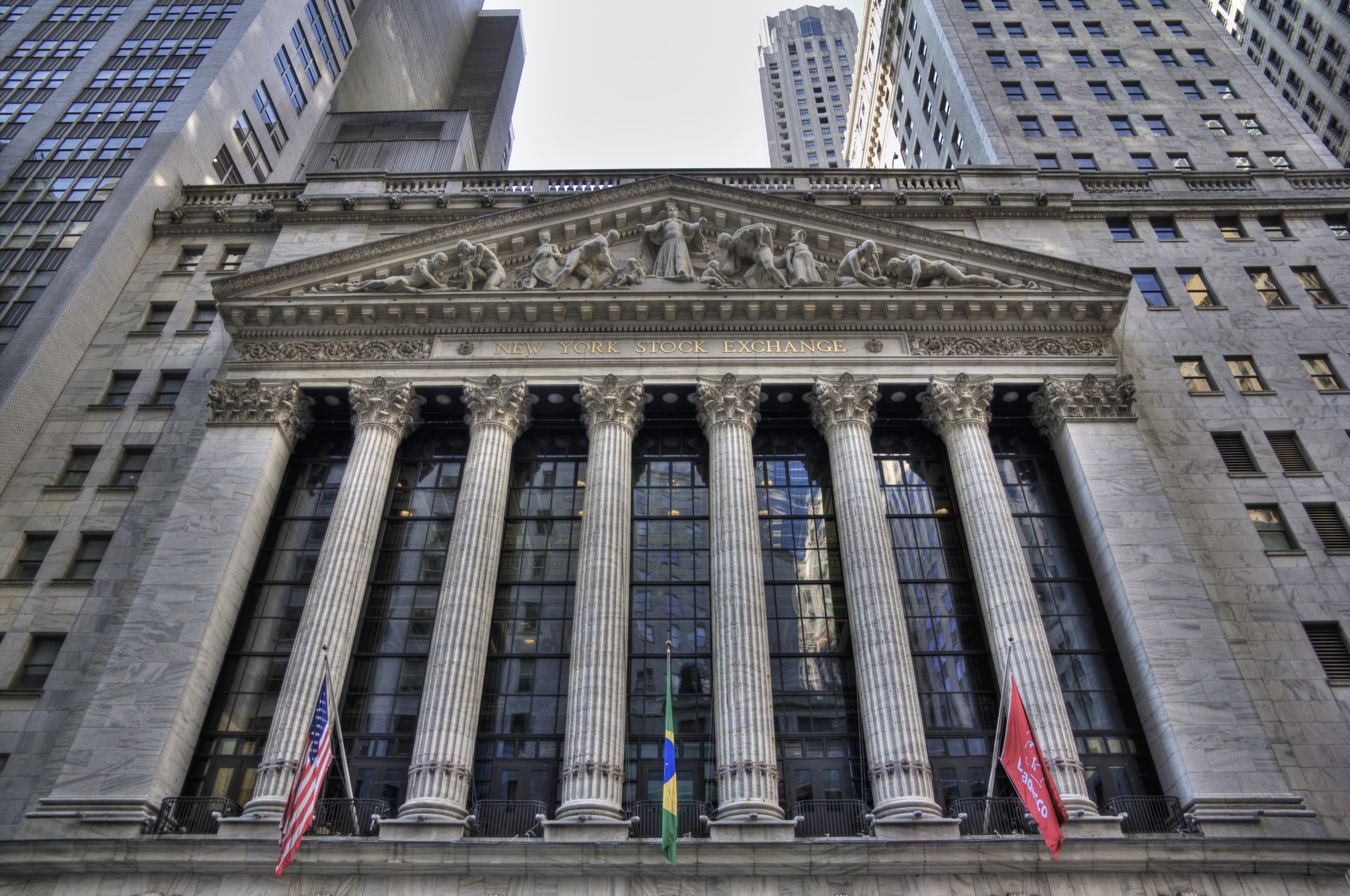
Tesco trades on the New York share market through the OTCQX Best Market, a platform operated by OTC Markets Group in New York. This isn't the same as being listed on the famous New York Stock Exchange (NYSE), but it's a reputable over-the-counter (OTC) system where shares can be bought and sold. Tesco's primary listing remains on the London Stock Exchange (LSE) under the ticker TSCO, but US investors can now access its American Depositary Receipts (ADRs) under TSCDY or ordinary shares under TSCDF. It seems likely that this step aims to attract more American buyers, especially as global markets become more interconnected.
Benefits for Investors
For everyday investors, this means easier access to Tesco stock without needing international brokerage accounts. OTCQX requires companies to meet strict financial and disclosure standards, providing a level of trust. However, trading volumes might be lower than on major exchanges, and prices could fluctuate more. If you're considering investing, it could diversify your portfolio with exposure to the UK retail sector, but always check current trends— for instance, Tesco's stock has risen about 15% over the past year on the LSE.
Potential Risks and Considerations
While exciting, cross-border trading involves risks like exchange rate changes between GBP and USD. The evidence leans toward positive outcomes for companies like Tesco, but market conditions matter—global growth is expected to be steady but moderate in 2026, per Federal Reserve and IMF outlooks. Before diving in, it’s a good idea to speak with a financial adviser.

Tesco Trades on the New York Share Market: Everything You Need to Know About This Game-Changing Move
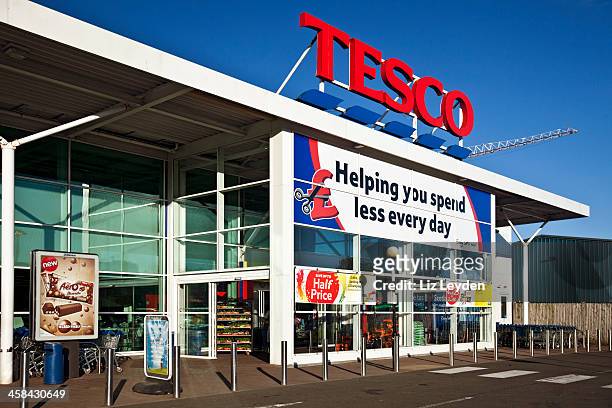
Have you ever wondered how a British supermarket giant like Tesco could make its way to the bustling share markets of New York? Well, in early 2026, that's exactly what happened. Tesco, known for its everyday groceries and household essentials across the UK and beyond, has taken a bold step by qualifying to trade on the OTCQX Best Market in New York. This isn't just another stock listing—it's a bridge between European retail power and American investment opportunities. If you're an investor eyeing international stocks or simply curious about how global markets work, this development could change how you see cross-border trading.
Let's start with a hook: Imagine walking into a Tesco store in London, picking up your weekly shop, and then realising you can own a piece of that company right from your US-based trading app. That's the reality now that Tesco trades on the New York share market platforms. But why does this matter? In a world where economies are more linked than ever, companies like Tesco are looking to expand their reach. According to recent reports, more European firms are joining US markets to tap into a larger pool of investors, and Tesco is the latest to join the club.
To understand this fully, we need to go back a bit. Tesco was founded in 1919 by Jack Cohen as a small market stall in London's East End. From those humble beginnings, it grew into one of the world's largest retailers, with over 4,000 stores in the UK alone and operations in several countries. Its stock has been a staple on the London Stock Exchange since 1947, weathering economic storms like the 2008 financial crisis and the recent pandemic. Over the past year, Tesco's share price has climbed about 15%, hitting highs around 480p, driven by strong sales and cost-cutting measures. But trading solely in the UK limits exposure. Enter the New York share market.
By joining the OTCQX Best Market, Tesco gains U.S. investor visibility through a premium OTC venue—without the full rigours of a NYSE or NASDAQ listing. Launched by OTC Markets Group, it's designed for established firms with solid finances and transparent reporting. As of January 2, 2026, Tesco upgraded from the less stringent Pink market to OTCQX, trading under symbols TSCDY for ADRs and TSCDF for other shares. This move allows US investors to buy shares in dollars, avoiding the hassle of foreign exchanges.
Why now? Global economic forces are setting the stage. The International Monetary Fund forecasts global growth of 3.1% in 2026, led by emerging markets despite lingering trade-policy risks. The World Bank reinforces this view, pointing to rising cross-border investment as companies diversify amid AI-driven innovation and shifting supply chains. Meanwhile, the Federal Reserve outlook suggests relatively steady interest rates, tilting investor preference toward equities over bonds—particularly for defensive, cash-generative retailers like Tesco. Against this backdrop, Tesco’s move fits a broader pattern, with European heavyweights such as Bayer and Heineken pursuing similar listings to enhance liquidity.
What are the practical implications for you? Let’s dig deeper. If you're new to investing, think of the New York share market as a vast arena where companies from around the world compete for attention. Tesco trading there opens doors for portfolio diversification. For instance, if your investments are heavy in US tech stocks, adding a UK retailer could balance things out, especially with Tesco's focus on essential goods that perform well in tough times.
Now, consider the practical side. How do you buy Tesco shares on the New York share market? It's straightforward—use a broker that supports OTC trading, like Fidelity or Charles Schwab. Look for TSCDY, which represents ADRs (shares held by a US bank on your behalf). The price will mirror the London Stock Exchange valuation, adjusted for currency movements. But watch out for fees and taxes; international trades can add up.
Stats paint a clear picture: Tesco's market cap is over £30 billion, with annual revenues topping £65 billion. Its dividend yield sits at about 3.29%, appealing to income-focused investors. Compared to peers, it's held steady, even as inflation bites retail margins.
This introduction wouldn't be complete without touching on challenges. The International Monetary Fund forecasts UK economic growth of 1.5% for 2026, reflecting ongoing headwinds. Competition from discounters like Aldi could pressure profits. Yet, Tesco's online arm and loyalty programs have driven a 7% sales bump recently. As global markets evolve, with AI optimising supply chains (per World Bank reports), Tesco is positioned to benefit.
Expanding further, let's explore the historical context. Tesco's stock journey has been a rollercoaster. In the 1990s, it expanded aggressively, but the 2014 accounting scandal saw shares plummet 50%. Recovery came through streamlining operations, and by 2025, it was back to pre-pandemic levels. Now, with the New York listing, analysts predict increased trading volume, potentially stabilising prices.
In terms of broader implications, this reflects shifting global dynamics. The Federal Reserve's policies on rates could influence dollar strength, affecting ADR values. For Tesco, it's about visibility—US investors hold trillions in assets, and even a small slice could boost capital.
To wrap the intro, Tesco trades on the New York share market not just as a listing, but as a strategic play in a connected world. Whether you're a seasoned trader or starting out, this opens exciting possibilities.
Understanding OTCQX: The Platform Where Tesco Trades on the New York Stock Exchange
What is OTCQX, and How Does It Differ from the NYSE?
OTCQX is the premier tier of over-the-counter markets, run by OTC Markets Group in New York. Unlike the NYSE, where companies must meet intense SEC requirements and pay hefty fees, OTCQX offers a lighter touch for international firms. Companies need to show strong finances, good governance, and timely disclosures. For Tesco, this means US investors get reliable info without the company relocating its primary listing.
- High financial standards: Minimum market cap and share price requirements.
- Transparency: Regular reporting similar to exchange-listed firms.
- Cost-effective: Lower listing costs compared to NYSE.
This setup suits European companies like Tesco, allowing them to test US waters.
Benefits of Tesco Trading on OTCQX for Investors
Investing in Tesco via OTCQX simplifies things. No need for forex conversions or overseas accounts. Practical tips:
- Use apps like Robinhood or E*TRADE for easy access.
- Monitor exchange rates—GBP fluctuations can impact returns.
- Diversify: Pair with US retailers like Walmart for balance.
Historically, companies joining OTCQX enjoy liquidity boosts of around 20–30%. For Tesco, that added depth could help smooth price volatility. Tesco's Stock Performance: A Detailed Look
Tesco's shares have shown resilience. Here's a table summarising recent performance on the LSE (basis for OTCQX pricing):
| Period | OpeningPrice (GBP) | Closing Price (GBP) | Change (%) | Key Events |
|---|---|---|---|---|
| 52-Week (2025) | 310.30 | 417.00 | +34.3 | Post-pandemic recovery, cost efficiencies |
| Last 6 Months | 380.50 | 417.00 | +9.6 | Strong holiday sales |
| Last Month | 440.00 | 417.00 | -5.2 | Market volatility from rate concerns |
| YTD 2026 | 415.40 | 417.00 | +0.4 | OTCQX listing boost |
Data sourced from reliable financial sites. This table highlights Tesco's steady growth, making it attractive on the New York share market.

Mini Case Study: John Deere's Success on NYSE as a Comparison
To put Tesco's move in perspective, let's look at John Deere, an American company fully listed on the NYSE under DE. While Tesco is on OTCQX, Deere's journey offers insights into what a full US listing can achieve, and why OTC might be a smart first step for internationals.
Established in 1837, John Deere has become a global powerhouse in agricultural machinery. Its stock has been on the NYSE since the mid-20th century, providing a benchmark for performance in volatile sectors. As of January 2026, Deere's share price hovers around $488, up from $361 in late 2023. This growth stems from strong demand for farming tech amid global food security concerns.
Deere's performance metrics are impressive: A price-to-earnings ratio of 26.46, a quick ratio of 2.09, and a return on assets of about 8%. Over the past five years, shares have doubled, driven by innovation in precision agriculture and expansions into emerging markets. For example, during the 2022 supply chain crisis, Deere's stock dipped 15% but rebounded 40% the next year thanks to robust earnings.
Compared to Tesco: Both are essential providers—Deere in farming, Tesco in food retail. Deere's NYSE listing gives it high visibility, with daily trading volumes in millions. Tesco, on OTCQX, might see lower volumes initially but could scale up. A key lesson from Deere is diversification; it weathered the pandemic by pivoting to digital tools, much like Tesco's online growth.
Global trends support this. The World Bank notes agricultural investments rising with 3% global growth in 2026, benefiting Deere. Similarly, IMF data shows retail resilience in mature economies. Deere's mini-boom in 2025, with 20% revenue jump, came from AI integrations—something Tesco could emulate in logistics.
Risks? Deere faced tariffs in 2018, dropping shares 25%, but recovered via hedging. Tesco might encounter similar issues with the Brexit aftermath. Practical tip: Investors in Deere use options for protection; apply the same to Tesco ADRs.
In summary, Deere's NYSE success (market cap over $140 billion) shows the potential of US markets. For Tesco, OTCQX is a stepping stone, potentially leading to greater things if performance mirrors Deere's.
Global Trends Influencing Tesco's New York Listing
Drawing from authoritative sources, global stock markets in 2026 are set for moderate expansion. The IMF forecasts 3.1% growth, with AI and trade policies key drivers. The World Bank highlights emerging Asia's role, boosting retail demand. Federal Reserve signals suggest two rate cuts, favouring equities.
- AI exuberance: Could lift efficiencies, per Vanguard.
- Volatility risks: From policy changes.
Tesco's move capitalises on this.
Suggested internal links:
- Our guide to UK stocks for US investors
- How to trade ADRs: Beginner tips
- Retail sector outlook 2026
External sources: OTC Markets official site, Tesco investor relations.

Conclusion
In summary, Tesco trades on the New York share market through OTCQX, marking a significant expansion for the retailer. This offers new opportunities amid steady global growth. If you're interested, start researching today—perhaps open a brokerage account and explore TSCDY. What's your next investment move? Share in the comments!
Expanded FAQs
Is Tesco listed on the NYSE? No, Tesco trades on the OTCQX Best Market, not the NYSE. This is a common question as more Europeans enter the US markets.
What are the symbols for Tesco on the New York share market? TSCDY for ADRs and TSCDF for others. Trending searches show investors checking these post-listing.
How has Tesco's stock performed recently? Up 15% yearly, with dividends at 3.29%. Queries on performance spike with economic news.
Can US investors buy Tesco shares easily? Yes, via OTC-supporting brokers. Popular question amid rising international interest.
What global trends affect this? IMF's 3.1% growth and Fed rate cuts support cross-border listings. Users often ask about AI impacts, too.
Is OTCQX safe for investing? Yes, with high standards, but do due diligence. Trending amid volatility concerns.
I combine technical analysis with fundamental screening. Not financial advice.