Earning £100,000 in Britain might seem like plenty, but for many families, it still leaves children feeling financially out of reach due to steep tax penalties and escalating costs. The UK’s tax framework imposes harsh disincentives on higher earners, with the personal allowance taper and high-income child benefit charge combining to create effective marginal tax rates exceeding 60% in some cases, squeezing household budgets further. This pressure intensifies amid surging childcare expenses, which have risen despite government efforts to expand funded hours. Although some view this as a question of lifestyle choices, growing data highlights structural barriers that appear to deter family expansion among middle- and upper-income groups.
High earners over £100k face a ‘tax cliff‘ where benefits like tax-free childcare vanish, effectively taxing extra income at punishing rates.
Childcare in the UK averages over £300 per week for young children, often wiping out the financial benefits of working more.
The high-income child benefit charge now kicks in at £60k, tapering fully at £80k, hitting families harder than in many other countries.
Economic trends show UK growth lagging, with frozen tax thresholds. The Invisible Tax: Fiscal Drag. A primary driver of this financial squeeze is ‘Fiscal Drag.’ With UK tax thresholds frozen until 2028, earners are being pushed into higher brackets by inflation alone. While your nominal salary might rise to keep up with the cost of living, your tax-free allowance stays stagnant. This stealth tax ensures that more people are pulled into the 40% and 60% effective tax traps every year, reducing real-world purchasing power even as careers advance.
Many couples delay or skip having kids due to these pressures, contributing to falling birth rates.
While absolute poverty isn’t the issue here, the system’s design can make expanding a family feel unaffordable even on six-figure salaries. Let’s break it down simply: taxes eat into take-home pay, benefits disappear just when you need them most, and everyday costs like housing and nursery fees keep climbing. If you’re in this bracket, strategies like salary sacrifice into pensions can help soften the blow, but broader reforms might be needed for fairness.
The £100k Tax Trap Explained.
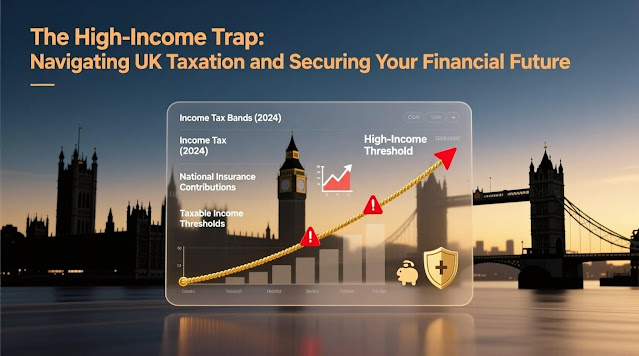
Imagine working hard for a promotion, only to find your net income barely budges—or even drops. That’s the reality for many earning around £100,000 in Britain. The personal allowance, which lets you earn £12,570 tax-free, starts tapering away once your income hits £100,000. For every £2 you earn above that, you lose £1 of allowance, until it’s gone at £125,140. Once the 40% higher tax rate is factored in, the effective marginal tax burden climbs to 60%—
The system’s inherent unfairness is most visible when comparing two different households. Consider a couple where both partners earn £50,000 each (a combined £100,000). They retain their full personal allowances and qualify for all childcare benefits. However, a household with a single earner on £101,000 is penalised instantly. Because the thresholds apply to individuals rather than total household income, the single-income family faces a cliff edge, losing thousands in support simply for having one high-performing career instead of two mid-level ones.
This isn’t just theory. People in professional jobs, like doctors or managers, often hit this wall. One common complaint is that it discourages overtime or career advancement. Why push for more if the government takes most of it? It’s especially tough for families, as we’ll see next.
Why Child Benefits Vanish for High Earners
Child benefit is meant to help with raising kids, but for higher earners, it’s clawed back through the high-income child benefit charge (HICBC). In 2024–25, the taper kicks in once a parent’s adjusted income exceeds £60,000, reducing the benefit by 1% per £200 thereafter. By £80,000, it’s fully withdrawn. For 2025-26, rates are £26.05 weekly for the first child and £17.25 for each additional child—small amounts, but they add up.
Worse, if you earn over £100,000, you lose access to tax-free childcare, worth up to £2,000 per child annually. Together, these factors create a double whammy that can leave families facing effective tax rates of more than 70% on additional earnings once children are involved. Trending discussions on forums like Reddit highlight how this feels unfair, with users asking, Why punish success?
Practical tip:Don’t ignore the Application (Even if you don’t keep the cash)
If your income exceeds £80,000, you might feel that claiming Child Benefit is pointless since the High-Income Child Benefit Charge (HICBC) claws it all back. However, you should always apply. You can opt for ‘No Payment’ during the application to avoid the tax headache, but the act of claiming ensures you receive National Insurance (NI) credits. These credits are vital for your State Pension record; failing to claim could result in significant gaps in your pension eligibility later in life.
Sky-High Childcare Costs in Britain
Even without tax pressures, the cost of raising children remains formidable. In 2024, the average full-time nursery place for children under two costs £302 per week, up 5.9% from the previous year. For a family with two children, that amounts to more than £30,000 annually before any government support. In England, weekly costs for under-twos are expected to reach £238.95 in 2025. By international standards, the UK ranks among the most expensive childcare systems in Europe—second only to a handful of countries, according to OECD data.
Government schemes like 15-30 free hours help lower earners, but they phase out for those over £100k. Holiday childcare adds £1,000+ per child in summer. No wonder many parents feel squeezed.
Earning £100k but too broke to have children: the brutal reality of Britain’s tax system is a headline that’s been making waves lately, and for good reason. Picture this: you’ve climbed the career ladder, landed a solid six-figure salary, and yet the dream of starting a family feels like a distant luxury. It’s not about flashy cars or exotic holidays—it’s the everyday grind of taxes, bills, and benefits that slip away just when you need them most. In Britain today, high earners are facing a system that seems designed to punish ambition, especially when kids enter the equation. This isn’t just anecdotal; it’s backed by stats and stories from real people navigating these traps.
Let’s hook you in with a story. Meet Max and Nicole Griffiths, a couple featured in recent reports. Both are in their 30s, and they earn around £100,000 combined in professional roles. They’ve done everything right—studied hard, saved up, bought a modest home. But when they crunched the numbers for having a child, the maths didn’t add up. We felt trapped, Max shared in an interview. Between losing child benefits, facing steeper taxes, and childcare costs that rival a second mortgage, they put their family plans on hold. And they’re not alone. Forums like Reddit and X (formerly Twitter) are buzzing with similar tales: Earning 100k but can’t afford kids—thanks to taxes! One user posted. It’s a brutal wake-up call in a country where birth rates are plummeting to historic lows.
Why is this happening? Britain’s tax system, while progressive on paper, creates cliffs and traps that hit middle-to-high earners hardest. The focus keyword here—earning £100k but too broke to have children—captures the essence. At £100,000, your personal allowance starts vanishing, child benefits get clawed back, and childcare support evaporates. Add in frozen thresholds that haven’t budged since 2021 (extended to 2028), and fiscal drag pulls more people into these brackets as wages rise with inflation. The Institute for Fiscal Studies (IFS) calls it ridiculous, noting it discourages work and growth.
Diving deeper, the high-income child benefit charge (HICBC) is a prime culprit. Updated in 2024, it now starts at £60,000 instead of £50,000, tapering fully at £80,000. Sounds fair? Not when one parent’s salary triggers it for the whole family. For 2025-26, child benefit pays £26.05 weekly for the first child, £17.25 for other children, but high earners repay it via tax. HMRC estimates 246,000 families will be affected by 2028-29, up from 213,000 now, thanks to wage growth.
Then there’s the £100k cliff for tax-free childcare. Worth £2,000 per child yearly, it’s revoked if one earner hits this mark. Combined with the personal allowance taper (60% effective rate between £100k-£125k), it’s a double hit. Social media is rife with frustration: Need £149k to match £99k take-home with kids, one X post calculated. This disincentivises promotions—people turn down raises to stay under thresholds.
Childcare costs amplify the pain. The UK ranks second globally for expense, per OECD. Full-time for under-twos: £302 weekly, or £15,700+ yearly. In England, it’s £239 weekly for under-twos in 2025. Holiday care adds £179 weekly, pushing summer bills over £1,000 per child. Government expansion to 30 free hours by 2025 helps some, but costs £4.1bn yearly and excludes high earners.
Raising a child overall? CPAG pegs it at £166,000 for couples to age 18 in 2023, rising to £249,000 per recent study. Lone parents face £220,000. Weekly costs: £227 for infants. With housing, food, and energy up, it’s no surprise that birth rates dipped below 1.5 per woman.
Economic context matters. The IMF sees UK growth at 1.3% in 2026, trailing most G7 peers apart from Germany, while the Bank of England forecasts only 1.0% growth amid weak demand and higher taxes. Interest rates may be cut to 3.75%, but inflation lingers at 3.4%. Frozen thresholds mean more taxes at higher rates.
Mini Case Study: The Griffiths Family in London
Take Max and Nicole again, a real couple from the Telegraph reports. Earning £100k combined, they pay 40% tax on much of it, plus NI. HICBC claws back £1,300+ yearly child benefit. Losing tax-free childcare saves nothing on £30k nursery fees. Effective rate: 70% on extras. They delayed their kids, opting for savings instead. Like many, they’re considering emigrating—Dubai or the US offer better family tax breaks. This mirrors trends: 35,000 more families will be hit by HICBC by 2028.
Counterarguments exist—some say £100k affords kids with budgeting. But data shows the UK’s family tax burden is higher than the OECD average. Guardian stories reveal affordability as the top barrier.
How the System Compares Internationally
Britain’s setup is harsh. In Germany, childcare costs less, and tax breaks are more generous. IMF notes UK fertility crisis tied to economics. World Bank trends show high costs deter births in developed nations.
UK Tax Bands 2025-26
Threshold
Rate
Personal Allowance
£0-£12,570
0% (tapers over £100k)
Basic Rate
£12,571-£50,270
20%
Higher Rate
£50,271-£125,140
40%
Additional Rate
Over £125,140
45%
Effective Marginal (100k-125k)
–
60%+
The Broader Impact on Society
This system contributes to delayed parenthood and smaller families. Birth rates fell 10% last decade. Economically, fewer kids mean an ageing population, straining pensions. Bank of England warns of slow growth.
In conclusion, earning £100k but too broke to have children highlights Britain’s tax flaws. It’s time for reform—raise thresholds, ease charges. Share your experiences below or consult a financial advisor today.
FAQs
What is the £100k tax trap? The point where personal allowance tapers and benefits like tax-free childcare end, creating high effective rates.
How does HICBC work in 2026? Starts at £60k, full clawback at £80k. Trending query: Can I avoid it?—Yes, via pension contributions.
Why can’t £100k earners afford kids? Taxes, lost benefits, £300+ weekly childcare. Recent searches: UK birth rate crisis.
Is the tax system fair for families? Debated—high burden vs. progressive intent. Queries like Compare UK to Germany show it’s tougher here.
What changes are coming? NI credits from 2026 for opt-outs. Trending: Will thresholds rise?