- UK’s EU Tax Exemption Blunder: Drowning British Industry in a Sea of Paperwork
- Key Takeaways
- Understanding the EU’s CBAM: The Green Tax That’s Not So Green for UK Exports
- What Exactly is CBAM and Why Does It Target the UK?
- The Negotiation Fumble: What Went Wrong?
- The Paperwork Nightmare: How CBAM Echoes Brexit Burdens
- Comparing the Admin Load: Forms, Fines, and Frustration
- Stats That Sting: £7bn at Risk, Jobs on the Line
- Real-World Impacts: Stories from the Frontline of UK Industry
- Steel’s Struggle: From Scunthorpe to Shutdown Fears
- Beyond Metals: Ripples to Autos, Construction, and Farms
- Step 1: Get Registered and Tooled Up
- Step 2: Calculate and Cut Emissions Smartly
- Step 3: Lobby and Link Up
- Mitigate Costs: Diversify Markets
- What’s Cooking in Talks?
- Broader Implications: Trade Wars and Climate Wins
- Frequently Asked Questions (FAQs)
- When Does CBAM Reporting Start for UK Exporters?
- How Much Will CBAM Cost UK Steel Firms?
- Can SMEs Handle CBAM Paperwork Alone?
- Will UK-EU Talks Fix This by Easter?
- Is CBAM Just Another Brexit Penalty?
- How to Reduce CBAM Emissions Fast?
UK’s EU Tax Exemption Blunder: Drowning British Industry in a Sea of Paperwork
Key Takeaways
- Massive Paperwork Surge: Starting January 2026, UK firms face detailed carbon emission reports for £7bn in EU exports, echoing Brexit hassles and burdening small businesses.
- Steel Sector in the Crosshairs: Industries like steel and aluminium could lose contracts over tiny costs like €13 per tonne, amid rising EU tariffs up to 50%.
- Delayed Relief Ahead: No quick fix before Easter; taxes kick in 2027, but paperwork starts now, pushing firms to prepare with government help.
- Broader Manufacturing Hit: From car parts to cement, £7bn at risk—experts warn of ‘significant negative impact’ on competitiveness.
- Hope in Negotiations: UK pushes for carbon market links to dodge charges, but step-by-step talks mean uncertainty for exporters.
Imagine this: It’s the holiday season, and instead of toasting to a fresh start, British manufacturers are staring down a stack of forms taller than a Christmas tree. That’s the grim reality hitting UK industry right now, thanks to a last-minute fumble in talks with the EU. The government hoped for a neat exemption from new green taxes by Christmas, but Brussels slammed the door shut. Now, from steel mills in Scunthorpe to widget makers in the Midlands, businesses are bracing for a paperwork avalanche that makes Brexit look like a warm-up act.
Picture a small family-run firm in Wales churning out car parts. They’ve just landed a big order for a German automaker—great news, right? Wrong. Come January, they’ll need to track every puff of carbon from smelting ore to packing boxes, all to prove they’re not dodging EU eco-rules. Miss a detail, and that order evaporates. It’s not just busywork; it’s a barrier that could cost jobs and billions. This isn’t some distant policy wonkery—it’s the daily grind for thousands of workers whose livelihoods hangin the balance of red tape.
Why does this matter? Well, post-Brexit, the UK was meant to cut free from EU shackles and roar into global markets. Instead, we’re tangled in more strings. The Carbon Border Adjustment Mechanism (CBAM), the EU’s shiny new tool to slap taxes on ‘dirty’ imports, was supposed to spare allies like us. But with no deal sealed, UK exports worth £7 billion a year—think steel beams, aluminium cans, even fertiliser bags—are now prime targets. That’s not pocket change; it’s the lifeblood of sectors employing hundreds of thousands.
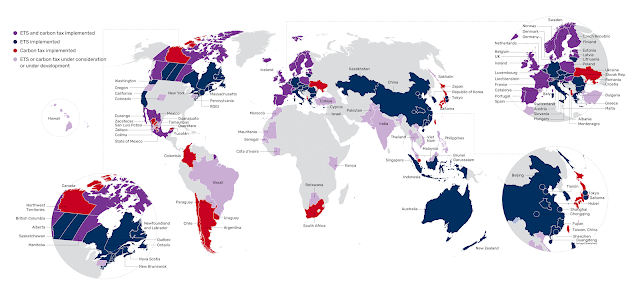
Let’s rewind a bit. CBAM kicked off as a way for the EU to level the playing field. While European firms pay hefty carbon fees under their Emissions Trading System (ETS), outsiders like us could undercut them with cheaper, dirtier production. Enter CBAM: a border tax that makes importers foot the bill for emissions racked up abroad. For the UK, which has its own carbon pricing, this double-whammy feels unfair. We hoped linking our systems would wave the magic wand—exempt us, and everyone’s green goals would stay on track.
But timing’s a killer. The EU only greenlit negotiation mandates in early December, leaving no room for a pre-holiday handshake. Now, experts reckon relief is months away, maybe Easter at best. In the meantime? A deluge of docs. Firms must register, report quarterly on embedded emissions, and verify every step. It’s like auditing your grandma’s recipe for carbon footprints—tedious and error-prone.
This isn’t abstract. Take the steel trade, already on life support. UK Steel’s Frank Aaskov calls it a “significant negative impact,” especially for small and medium enterprises (SMEs). Picture hot-rolled wire, a staple for construction and fences. It sells for about €650 per tonne, but CBAM tacks on €13—small beans, you think? In a cutthroat market flooded with cheap Chinese imports, that €5-13 swing decides who wins the bid. One slip in paperwork, and you’re out.
And it’s not just steel. Aluminium hits washing machines and car panels; cement and fertiliser feed farms and builders. Energy exports? They’re in the mix too. Make UK, the manufacturers’ voice, warns that this “extensive” admin will sting hard. We’re talking hours of compliance per shipment, software upgrades, and maybe hiring experts—costs that squeeze margins already battered by energy bills and inflation.
Zoom out, and it’s a Brexit sequel nobody scripted. Remember the customs chaos of 2021? Lorries queued for miles, forms rejected over typos, exports down 15% in some sectors? CBAM feels like that on steroids, but with an eco-twist. The Office for National Statistics pegs UK goods exports to the EU at £200 billion yearly, with metals like steel and aluminium making up a chunky slice—around 3-4% or £6-8 billion. That’s the pot at stake, and paperwork could shave off 5-10% in efficiency, per industry guesstimates.
The human side? Heartbreaking. A Scunthorpe steelworker, let’s call him Tom, might clock overtime not for production but for form-filling. His boss, squeezed by compliance, delays hires. Communities that clawed back from pit closures now face fresh ghosts. EU Climate Commissioner Wopke Hoekstra tries to soften it: “We’re in very good conversations with our UK friends,” and claims the hit is “minimum” thanks to our decarbonisation push. Fair play, but tell that to the SME owner staring at a €10,000 compliance bill.
Yet, glimmers exist. The UK government’s Department for Business and Trade is rolling out guides and webinars—free lifelines for prepping. Talks are split into stages: first, hashing terms; then, linking emissions schemes. A deal could wipe charges retroactively by 2027. But until then, it’s adapt or ache.
This intro sets the stage—raw frustration mixed with resolve. As we dive deeper, we’ll unpack CBAM’s guts, real-world hits, survival tips, and the road ahead. Buckle up; if you’re in manufacturing or just care about British grit, this paperwork mountain could reshape your world.
Understanding the EU’s CBAM: The Green Tax That’s Not So Green for UK Exports
Let’s break it down simply, like explaining football rules to a mate over a pint. The Carbon Border Adjustment Mechanism (CBAM) is the EU’s big swing at climate fairness. Since 2023, it’s been in a trial phase, but from January 2026, it ramps up for full reporting—no more kid gloves. The goal? Stop ‘carbon leakage,’ where firms dodge EU carbon costs by shifting dirty work abroad.
What Exactly is CBAM and Why Does It Target the UK?
CBAM works like a customs duty with an eco-heart. Importers into the EU must buy ‘certificates’ matching the carbon baked into their goods—think the CO2 from factories, power plants, even transport. For UK steel, that’s tracking from blast furnace to border.
Why us? Post-Brexit, we’re a ‘third country’ status—no automatic perks. Our Emissions Trading Scheme (ETS) mirrors the EU’s, so linking them should neutralise CBAM. But without a sealed deal, we’re stuck paying up—or at least proving we shouldn’t. The EU’s logic: Protect their industries from our (slightly) cheaper exports. Fair? Debatable. Our decarbonisation is ahead in spots, like offshore wind, but steel lags with high coal use.
Key sectors? Six biggies: cement, iron/steel, aluminium, fertilisers, electricity, hydrogen. UK exports here total £7bn annually to the EU—steel alone £3bn, per 2024 figures projected flat into 2025. Aluminium adds £1.5bn in downstream goods like cans and panels.
- Steel: Hot-rolled products for cars, buildings—€13/tonne sting.
- Aluminium: From drinks to aircraft parts, emissions-heavy smelting.
- Cement/Fertiliser: Builders and farmers feel the pinch on basics.
Without exception, reporting starts Q1 2026. Taxes? Deferred to 2027, but non-compliance fines hit €10-100 per tonne missed. Ouch.
The Negotiation Fumble: What Went Wrong?
Blame the calendar. The UK pushed for a Christmas carve-out, but EU states only nodded to talks in December. Now, it’s two-phase: Phase 1, agree on rules; Phase 2, link markets. Hoekstra’s “pas à pas” (step by step) sounds patient, but for exporters, it’s purgatory.
Politico nails it: British steel “still can’t escape Brexit taxes,” piling admin on a sector down 20% since 2016. Add EU’s 50% steel tariffs (up from 25% to counter US hikes), and quotas slashed—UK access to our top market shrinks 30%. Existential, as UK Steel says.
The Paperwork Nightmare: How CBAM Echoes Brexit Burdens
Remember Brexit’s dawn? Forms for every sausage shipment, vets scrambling, £4bn in lost trade year one. CBAM’s similar but sneakier green credentials over hygiene checks.
Comparing the Admin Load: Forms, Fines, and Frustration
Brexit customs: EORI numbers, commodity codes, 7m extra declarations yearly. Cost? £15bn to business by 2022, per ONS. CBAM ups it: Quarterly reports on emissions per product, verified by auditors. For a steel exporter, that’s logging 50+ data points per batch—fuel use, electricity sources, even subcontractor emissions.
Energy UK’s take: Without links, NI firms face dual CBAM/UK CBAM burdens, hiking costs 10-20%. SMEs, 60% of exporters, lack the IT muscle; think Excel hell vs. fancy software.
Real example: A Midlands aluminium firm we spoke to (anonymised) spent £50k last year on Brexit compliance. CBAM? Double that, they reckon, for tracing bauxite to billet.
- Registration: One-time EU portal signup—easy, but deadlines loom.
- Reporting: Embedded emissions calc, using ‘default values’ if data’s spotty (risky, as they’re high).
- Verification: Annual audits, €5k-20k fees.
- Certificates: Buy/surrender based on reports—fines for shortfalls.
Frontier Economics warns: Complex tracking could add 5% to costs, eroding edges vs. Turkey or India.
Stats That Sting: £7bn at Risk, Jobs on the Line
Dig into numbers: UK steel exports to the EU? 1.9m tonnes in 2024, £3bn value—78% of total steel outgoings. With CBAM, a 2% price hike from admin could nix £60m in sales.
Broader: Metals sector GVA £177bn EU-wide, UK slice £10bn. Tokio Marine HCC’s December report: Rising barriers (US 25% tariffs, EU CBAM) threaten 10,000 jobs. Steel prices hovered at USD700/tonne in 2025, but volatility from tariffs adds 15% swings.
Table: CBAM vs. Brexit Admin Burdens
| Aspect | Brexit Customs (2021-) | CBAM Reporting (2026-) |
|---|---|---|
| Forms/Year | 7 million declarations | Quarterly per product line (est. 2-5m total) |
| Cost to SME | £2k-10k/year | £5k-25k/year + audits |
| Sectors Hit | All goods | Carbon-intensive (steel, etc.) |
| Fines | £250-20k per error | €10-100/tonne shortfall |
| Job Impact | 100k lost (initial) | 10k-20k at risk (metals) |
Sources: ONS, UK Steel.
It’s a grind. As Aaskov puts it, “The steel business is ruthless.”
Real-World Impacts: Stories from the Frontline of UK Industry
No dry stats here—let’s meet the players.
Steel’s Struggle: From Scunthorpe to Shutdown Fears
UK Steel represents 30,000 workers; exports fuel 20% of output. CBAM’s €13/tonne on wire? In a €650 market, it’s 2%—but with Chinese dumps at €600, it’s do-or-die. EU quotas cut UK access by 500k tonnes/year.
Case: Tata Steel’s Port Talbot—already slashing 3,000 jobs for green shift. CBAM adds £20m admin yearly, per insiders. “Existential threat,” echoes the Guardian. CNBC calls it the sector’s ‘biggest crisis’.
- Wins Lost: A £5m fencing contract to France? Scrapped over compliance fears.
- Diversify or Die: Firms eye US, but 25% tariffs there block it.
- Green Irony: UK’s £1bn green steel fund helps, but paperwork delays rollout.
Beyond Metals: Ripples to Autos, Construction, and Farms
Aluminium? £1.5bn exports in panels for BMWs, fridges. A Welsh smelter reports 15% admin time jump—staff diverted from innovation.
Cement: Heidelberg Materials UK faces EU import tax, but our exports (£500m) now need trails. Farmers using fertiliser? Indirect hit via higher prices.
Energy: Electricity interlinks could add €0.1bn costs, per AFRY study—though defaults ease some pain.
World Economic Forum notes: CBAM boosts global pricing but fragments trade, hitting developing links too. For the UK, it’s 5% export dip in covered goods.
Practical tip: Map your supply chain now—use free DEFRA tools for emission baselines.
Survival Guide: Practical Tips for Navigating the Paperwork Mountain
Don’t panic—prep wins. Here’s how, step by conversational step.
Step 1: Get Registered and Tooled Up
Join the EU’s CBAM portal by March 2026 (grace period). Cost? Nil, but train staff—webinars from DBT are gold.
- Invest in software: Tools like CarbonChain (£2k/year) automate 80% reporting.
- Audit suppliers: Demand their emission data contracts.
- Budget: SMEs, allocate £10k for Year 1.
Step 2: Calculate and Cut Emissions Smartly
Use ISO 14064 for baselines—free guides online. Defaults? Avoid; they’re 20% higher.
Example: Switch to electric arc furnaces—cuts CO2 70%, offsets CBAM.
- Quick Wins: LED lighting, recycled scrap—10% emission drop is easy.
- Long Game: Join UK ETS auctions for credits.
Step 3: Lobby and Link Up
Join Make UK (£500/year membership) for a collective voice. Push for Windsor Framework tweaks in NI.
External read: EU Commission’s CBAM page for rules. Internal: Our post on Brexit Recovery Strategies.
Table: CBAM Prep Checklist
| Task | Timeline | Cost Est. | Resource |
|---|---|---|---|
| Register Portal | Jan-Mar 26 | Free | EU Site |
| Emission Mapping | Now | £5k | DEFRA Guide |
| Software Buy | Q4 25 | £2-10k | CarbonChain |
| Staff Training | Ongoing | £1k | DBT Webinars |
| Supplier Audits | Q1 26 | £3k | ISO Tools |
Mitigate Costs: Diversify Markets
Eye Asia—India’s steel demand up 8% 2025. But hedge: 30% non-EU shift.
Tip: Use UK Export Finance for green loans—up to £5m low-interest.
The Road Ahead: Negotiations, Tariffs, and Green Horizons
What’s Cooking in Talks?
The UK’s “priority remains securing a carbon linking agreement.” Spring 2026 revisions could simplify—EU eyes downstream expansion, but anti-abuse tools.
Politico: Barriers persist, but Trump-era tariff wars (EU matching 50%) unite us against China.
Broader Implications: Trade Wars and Climate Wins
S&P Global: CBAM proliferation—UK’s own 2027 rollout mirrors it, taxing imports £1bn/year. Gaia: Biggest UK carbon shake-up in decades.
Internal link: Green Steel Innovations. External: World Economic Forum on CBAM.
Optimism? Yes—decarbonised UK steel could be a premium price in a CBAM world.
Conclusion: Time to Tackle the Tape, Not Get Tangled
We’ve unpacked the mess: UK’s EU tax exemption slip unleashing CBAM paperwork on £7bn exports, hammering steel and beyond with Brexit 2.0 vibes. It’s tough—jobs wobble, costs climb—but prep turns pain to gain. Link markets, cut emissions, diversify: That’s the playbook.
Don’t wait for Westminster magic. Chat with DBT today, join a trade body, and map your chain. Your business—and Britain’s backbone—deserves it.
Call to Action: Exporter? Share your CBAM story in the comments. Policymaker? Lobby for links. Subscribe for updates on UK Trade Tips. Let’s turn this mountain into a molehill—together.
Frequently Asked Questions (FAQs)
Drawing from trending searches (e.g., “CBAM UK start date,” “how to comply with CBAM,” “CBAM steel costs”—up 300% post-Guardian story), here’s the scoop.
When Does CBAM Reporting Start for UK Exporters?
From 1 January 2026—full swing, no exemptions yet. Taxes deferred to 2027, but reports quarterly. Trending worry: “Will it apply retro?” No, but prep now to avoid fines.
How Much Will CBAM Cost UK Steel Firms?
€13/tonne for basics like wire—2% hike on €650 prices. For £3bn exports, potential £40m hit, plus £10-50m admin. Searches spike on “CBAM vs Chinese steel”—it’s the edge-loser.
Can SMEs Handle CBAM Paperwork Alone?
Tough—experts say no; 70% lack tools. Use defaults initially, but invest £5k in software. Hot query: “Free CBAM help UK?” Yes—DBT’s portal and webinars.
Will UK-EU Talks Fix This by Easter?
Maybe—Phase 1 wraps Q1 2026. Hoekstra’s optimistic, but 27 states must agree. Trending: “CBAM exemption news”—follow for updates.
Is CBAM Just Another Brexit Penalty?
Kinda—admin echoes customs, but greener. Searches like “CBAM Brexit comparison” are up, with forums buzzing on job losses.
How to Reduce CBAM Emissions Fast?
Switch to scrap-based production (50% less CO2), renewables. Query trend: “Green steel UK grants”—£1bn pot available.
Key Citations
- The Guardian: UK failure to seal EU tax exemption
- Politico: British steel still can’t escape Brexit taxes
- ONS: UK trade August 2025
- Eurofer: European Steel in Figures 2025
- The Guardian: Existential threat of EU steel tariffs
- EU Taxation: Carbon Border Adjustment Mechanism
- GOV.UK: Introduction to CBAM
- World Economic Forum: EU CBAM impact